

There’s nothing more frustrating than pulling a beautiful cheesecake out of the oven… only to see a giant crack running across the top. The good news? Cracks are totally preventable. With a few simple technique tweaks, you can make a smooth, creamy cheesecake that looks bakery-perfect every time.
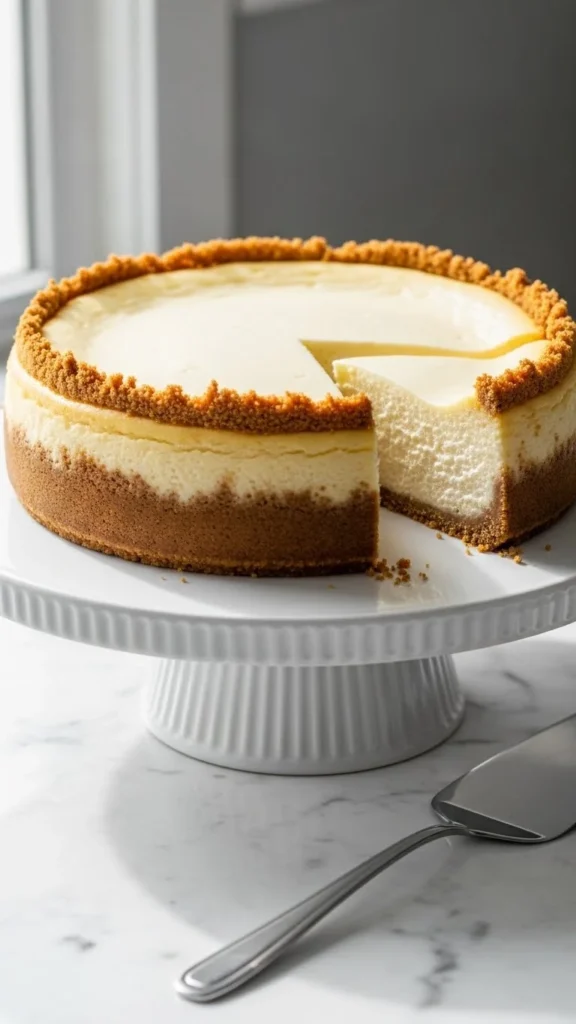
This guide breaks everything down step by step—no fancy equipment, no stress, just practical tips that actually work.
Start With the Right Ingredients (And Temperature)
Crack-free cheesecake begins before you even turn on the oven.
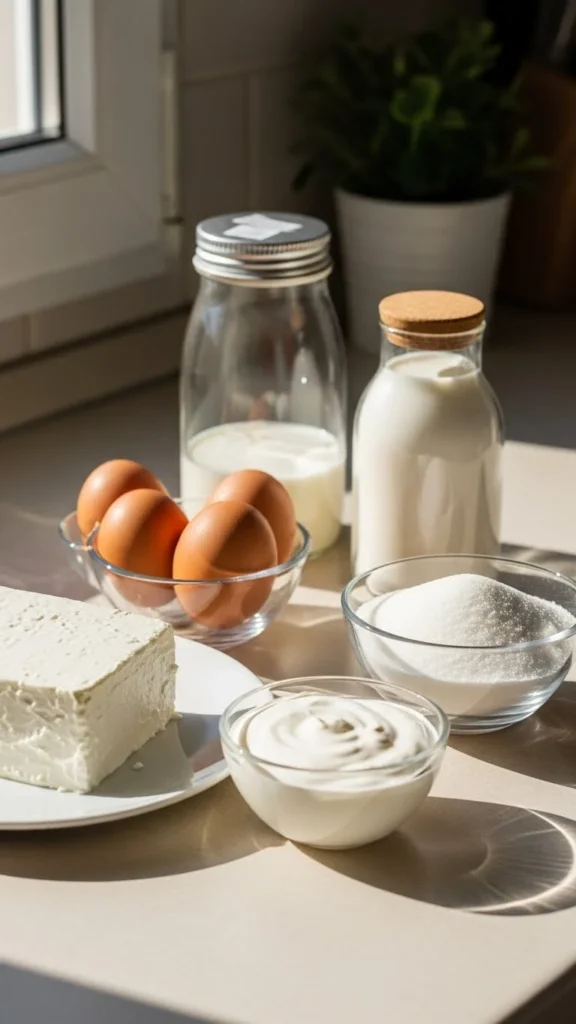
Room-temperature ingredients are non-negotiable. Cold cream cheese leads to overmixing, which traps air and causes cracks later.
Here’s what to do:
- Take cream cheese, eggs, and sour cream out 1–2 hours ahead
- Press cream cheese gently—if it dents easily, it’s ready
- Use full-fat ingredients for the best texture
Why it matters:
- Smooth batter = fewer air bubbles
- Even baking = no sudden splits
Mix Gently to Avoid Trapped Air
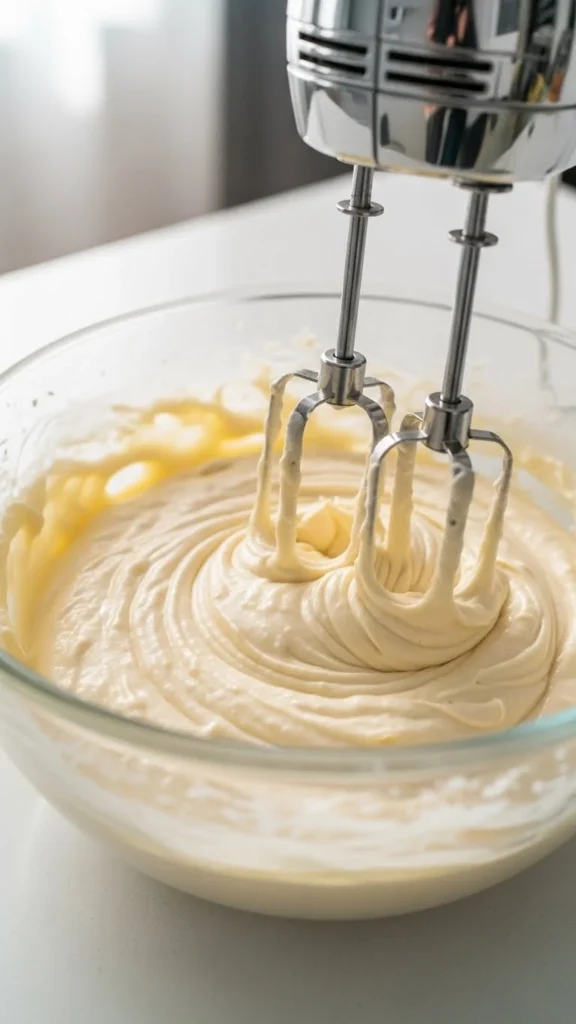
One of the biggest causes of cracked cheesecake is overmixing.
When too much air gets whipped into the batter, it expands in the oven and collapses while cooling.
Best mixing tips:
- Use a hand mixer or stand mixer on low speed
- Beat cream cheese just until smooth
- Add eggs one at a time, mixing briefly after each
- Stop as soon as everything is combined
Helpful reminder:
- You’re making cheesecake, not whipped frosting
- Smooth and slow always wins here
Prepare the Pan Properly
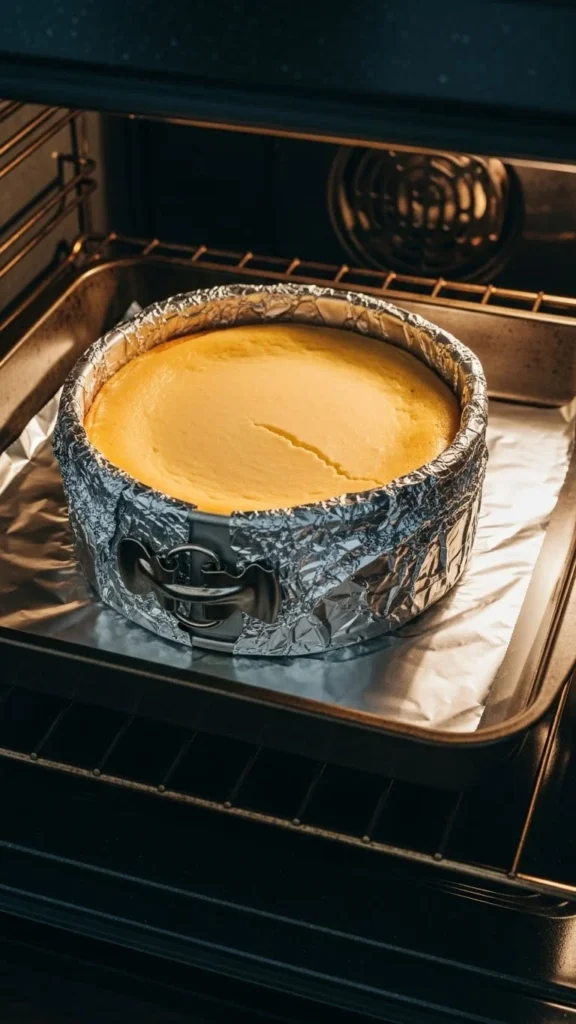
A well-prepped pan protects your cheesecake from sudden temperature changes.
Springform pan essentials:
- Wrap the outside tightly with two layers of foil
- Press foil all the way up the sides
- Check for holes before filling
This protects against water leaks and uneven heat, which can cause cracking along the edges.
Extra tip:
- Lightly grease the sides so the cheesecake can pull away naturally while cooling
Use a Water Bath (It’s Easier Than You Think)
A water bath keeps the oven environment moist and gentle—perfect for cheesecake.
How to do it simply:
- Place wrapped springform pan inside a large roasting pan
- Pour hot water into the roasting pan until it reaches halfway up the cheesecake pan
- Carefully slide into the oven
Why it works:
- Prevents the top from drying out
- Promotes slow, even baking
- Reduces surface tension that leads to cracks
Bake Low and Slow
High heat is the enemy of cheesecake.
Ideal baking approach:
- Bake at 300–325°F (150–165°C)
- Avoid opening the oven door
- Expect a longer bake time—it’s worth it
How to tell it’s done:
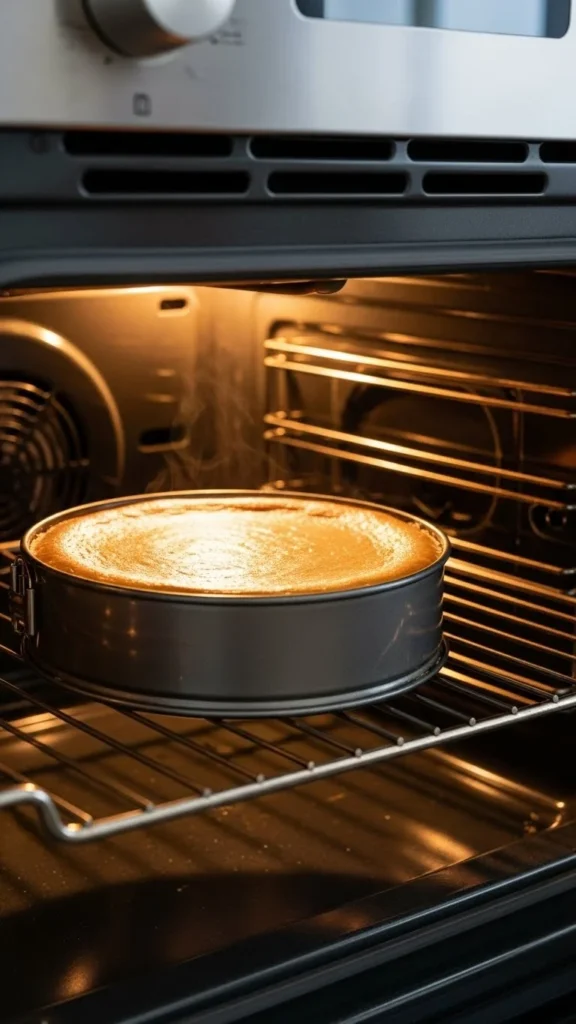
- Edges look set and lightly golden
- Center still has a gentle jiggle
- Top looks matte, not wet
If the center looks completely firm, it’s already overbaked.
Cool Slowly to Prevent Sudden Cracks
Rapid temperature changes cause cheesecakes to split as they contract.
The best cooling method:
- Turn off oven when baking is done
- Crack the oven door slightly
- Let cheesecake cool inside for 1 hour
- Remove and cool completely at room temperature
After that:
- Chill in the fridge for at least 4 hours, ideally overnight
Extra Tricks for a Perfect Finish
Want that ultra-smooth bakery look? Try these bonus tips:
- Run a thin knife around the edge right after baking
- Don’t rush refrigeration
- Avoid placing cheesecake near hot appliances while cooling
- Use parchment on the bottom for easy release
And remember—even small cracks don’t change the taste. But with these steps, you’ll rarely see them again.
Final Takeaway
Crack-free cheesecake isn’t about luck—it’s about gentle mixing, steady heat, and patience. Once you master these basics, your cheesecakes will come out creamy, smooth, and photo-ready every time.
Save this guide for your next bake—and enjoy every flawless slice.

Leave a Reply