

Almond desserts have that something special—a warm, nutty depth that feels cozy and indulgent without being overwhelming. Whether you’re baking for a special occasion or just craving a homemade treat, almonds can transform simple desserts into bakery-style favorites.
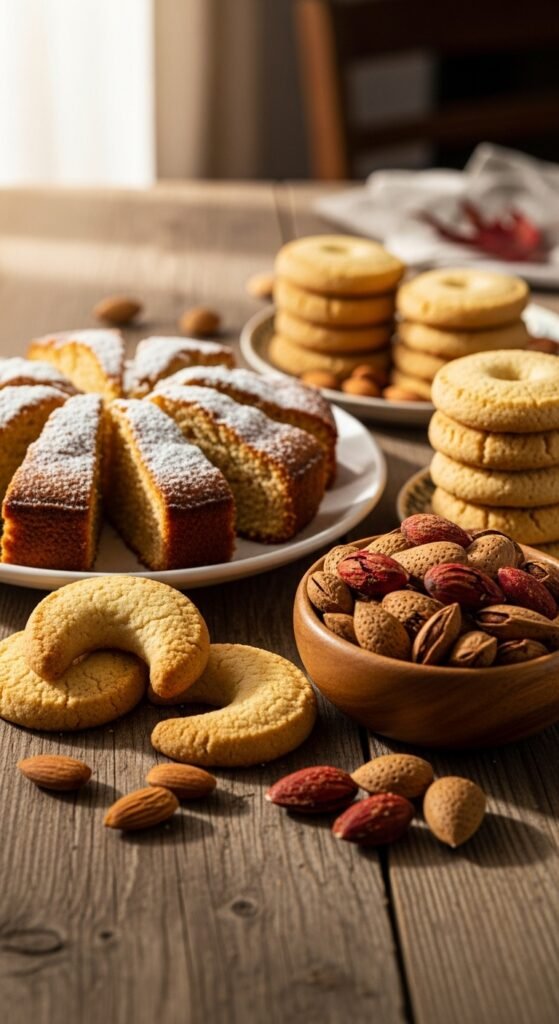
From choosing the right type of almond to layering flavor the right way, this guide will walk you through everything you need to know to make almond desserts that taste rich, balanced, and unforgettable.
Choose the Right Almond Form for Your Dessert
Not all almond desserts start the same way. The form of almond you use has a big impact on flavor and texture.
Common options include:
- Whole almonds – Great for toppings and decoration
- Sliced almonds – Add crunch and visual appeal
- Almond flour – Soft, nutty base for cakes and cookies
- Almond extract – Concentrated flavor booster (use sparingly)
Almond flour creates a tender crumb and naturally rich taste, making it perfect for cakes, bars, and soft cookies. Whole or sliced almonds shine when you want texture contrast.
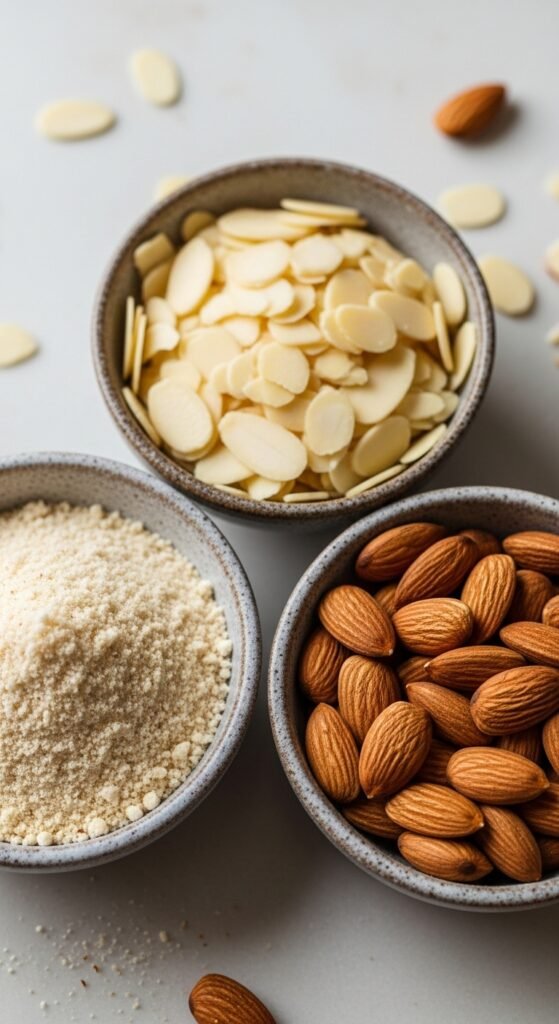
Tip: For deeper flavor, lightly toast whole or sliced almonds before using them. Just a few minutes in a dry pan can make a huge difference.
Build Rich Flavor with Simple Ingredient Pairings
Almonds taste amazing on their own, but pairing them with the right supporting ingredients takes desserts to the next level.
Some foolproof combinations:
- Almond + butter for warmth and richness
- Almond + vanilla for balance
- Almond + citrus zest for brightness
- Almond + dark chocolate for depth
Instead of adding lots of different flavors, focus on one or two complementary ingredients. This keeps the almond flavor front and center.
Flavor layering tip: Add almond extract to the batter and finish the dessert with sliced almonds on top. This creates a full almond experience from first bite to last.
Master the Mixing Method for Almond-Based Batters
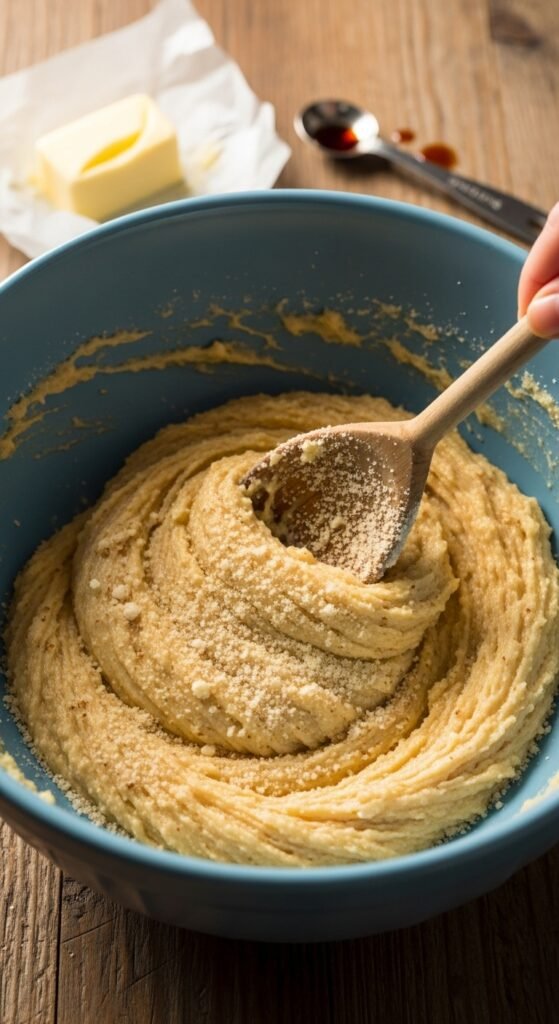
Almond desserts behave a little differently than traditional baked goods. Almond flour has more natural oils and no gluten, so mixing technique matters.
Keep these tips in mind:
- Mix gently to avoid dense textures
- Let batters rest for 5–10 minutes before baking
- Scrape the bowl often to ensure even mixing
If your batter looks slightly thicker than usual, don’t worry—that’s normal with almond flour.
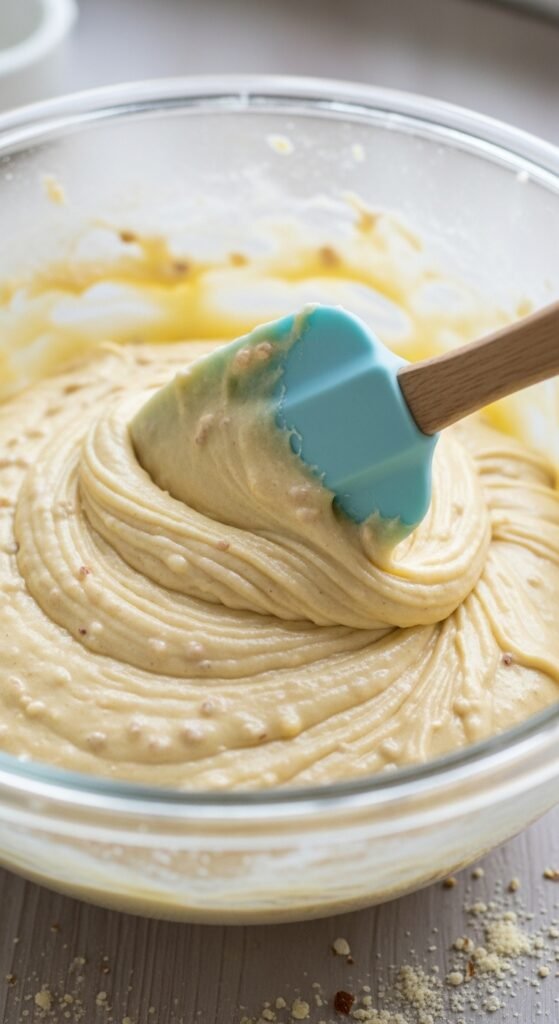
Quick fix: If a batter feels too thick, add a tablespoon of milk or cream at a time until smooth and spreadable.
Bake Low and Slow for the Best Texture
Almond-based desserts benefit from slightly lower oven temperatures. Baking too hot can cause them to brown quickly on the outside while staying underdone inside.
Best practices:
- Bake at 325–350°F (165–175°C)
- Check doneness early
- Look for golden edges and a soft center
Almond cakes and bars often firm up as they cool, so avoid overbaking.
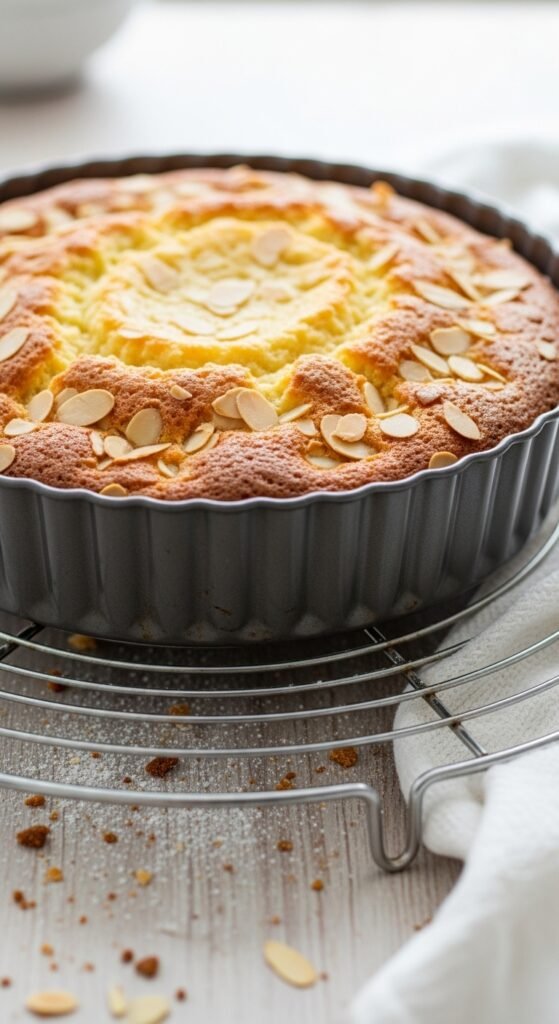
Cooling matters: Let almond desserts cool completely before slicing. This allows the flavors to settle and the texture to set properly.
Finish with Toppings That Enhance Almond Flavor
The final touch can turn a simple almond dessert into something visually stunning and extra flavorful.
Great finishing ideas:
- A dusting of powdered sugar
- Toasted sliced almonds on top
- A light glaze with vanilla or citrus
- Fresh berries for contrast
Keep toppings light and intentional—almond desserts shine when they aren’t overloaded.
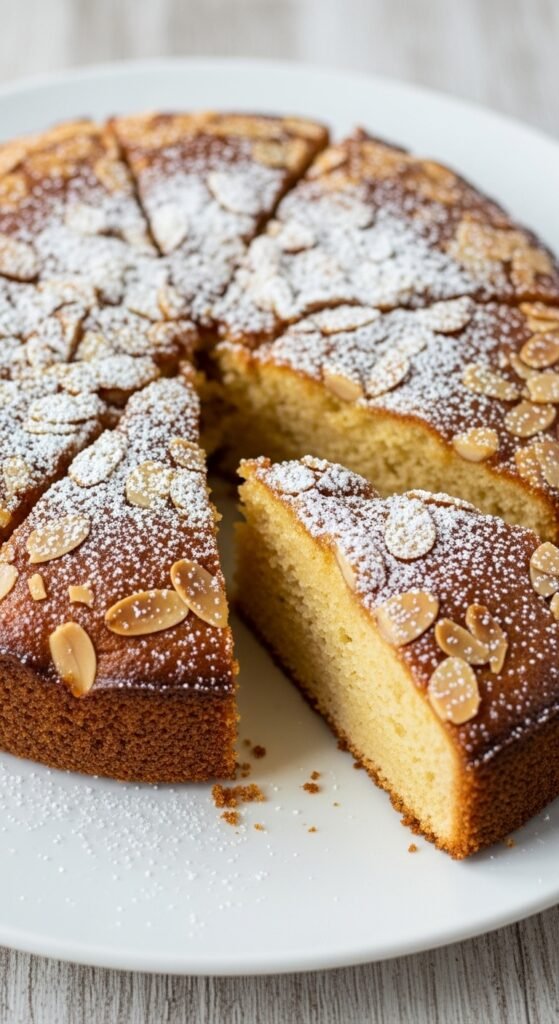
Make Almond Desserts Ahead of Time
One of the best things about almond desserts is that they often taste better the next day. The flavors deepen as they rest.
Storage tips:
- Store at room temperature for short periods
- Refrigerate for longer freshness
- Bring to room temperature before serving
This makes almond desserts perfect for planning ahead, hosting, or gifting.
Final Takeaway
Almond desserts are all about balance—rich but not heavy, flavorful but not overpowering. By choosing the right almond form, pairing ingredients thoughtfully, and baking with care, you can create desserts that feel both comforting and impressive.
Save this guide for later and start experimenting with almond desserts that truly deliver rich, satisfying flavor.

Leave a Reply