

There’s nothing better than slicing into a loaf of sweet dessert bread and finding it pillowy, tender, and perfectly moist—even days later. The secret isn’t fancy tools or complicated steps. It’s about using the right ingredients, gentle techniques, and a few bakery-style tricks that make all the difference.
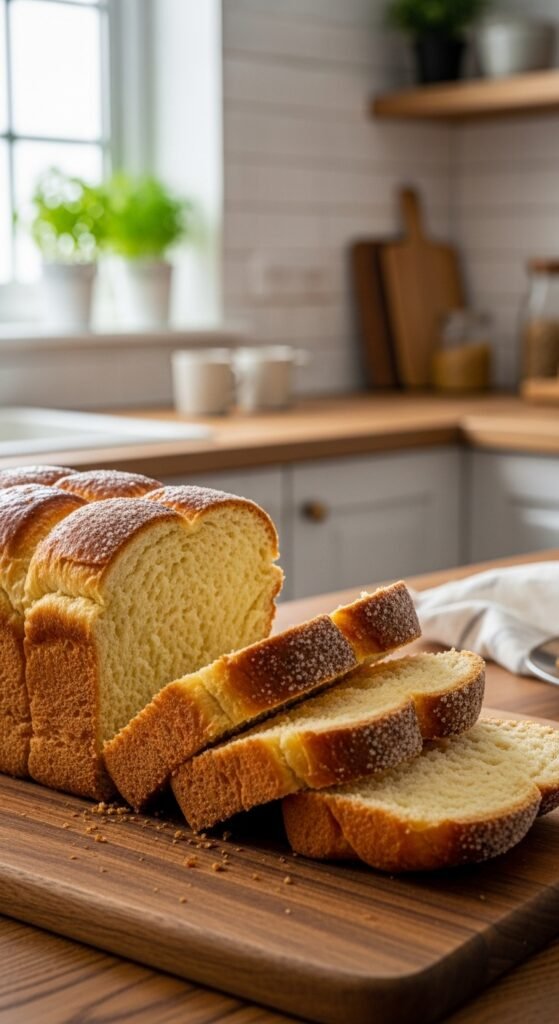
If you’ve ever made dessert bread that turned dry too quickly, this guide is for you. Let’s break down exactly how to bake sweet bread that stays soft from the first slice to the last.
Understand What Makes Dessert Bread Soft
Softness starts long before the bread goes into the oven. Dessert breads rely on a balance of fat, moisture, and gentle structure.
Key softness boosters:
- Fat (butter or oil) coats flour proteins and limits toughness
- Sugar holds moisture and slows drying
- Eggs add richness and tenderness
- Milk or yogurt softens the crumb
Dry bread usually means:
- Too much flour
- Overmixing the batter
- Baking too long
Once you understand this balance, everything else gets easier.
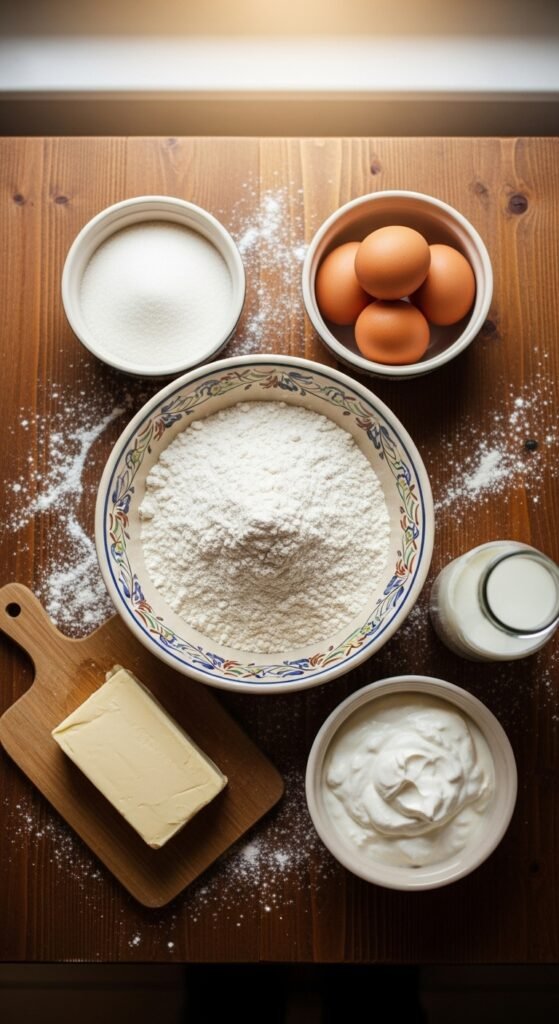
Choose Ingredients That Lock In Moisture
The right ingredients make dessert bread naturally soft—no rescue tricks needed.
Go for the right flour
- All-purpose flour works best for most sweet breads
- Avoid packing flour into the measuring cup
- Spoon flour in, then level it off
Pick moisture-friendly sweeteners
- White or brown sugar both work well
- Honey or maple syrup can add extra softness when used in small amounts
Use dairy for tenderness
- Milk adds softness
- Yogurt or sour cream adds moisture and a finer crumb
Mix the Batter Gently (This Is Huge)
One of the biggest mistakes is overmixing. Once flour meets liquid, gluten forms—and too much mixing makes bread dense.
Best mixing tips:
- Mix dry and wet ingredients just until combined
- Stop as soon as no dry flour is visible
- Small lumps are perfectly fine
Use a spatula or spoon instead of a mixer when possible. Gentle mixing equals a soft crumb.
Add Fat the Right Way
Fat is what gives dessert bread that rich, melt-in-your-mouth feel.
Options that work beautifully:
- Melted butter for flavor
- Neutral oil for longer-lasting softness
- A mix of both for best results
Oil-based breads often stay soft longer than butter-only versions. If you want a loaf that’s still tender on day three, this small swap helps a lot.
Bake Just Until Done—Not a Minute More
Overbaking dries out dessert bread faster than anything else.
How to know it’s ready:
- A toothpick inserted in the center comes out with a few moist crumbs
- The top springs back lightly when pressed
- Edges pull slightly away from the pan
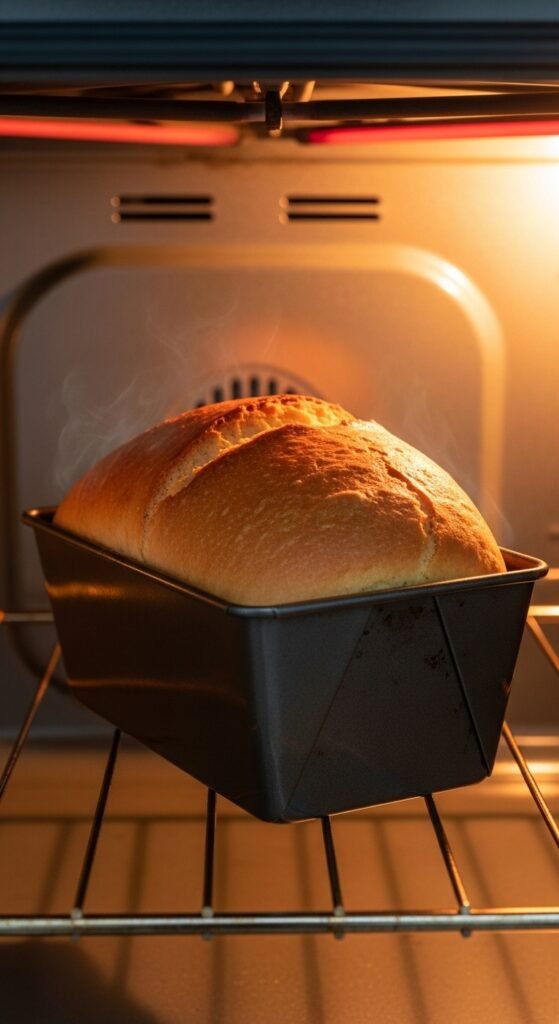
Resist the urge to wait for a completely dry toothpick. That usually means the bread is already past perfect.
Cool It Properly to Keep It Soft
Cooling matters more than most people think.
Do this instead:
- Let the bread cool in the pan for 10–15 minutes
- Transfer to a rack to cool completely
- Avoid cutting while hot
Cutting too early releases steam that should stay inside the bread, making it dry faster.
Storage Tips That Prevent Dry Bread
Even the softest dessert bread needs proper storage.
Best storage methods:
- Wrap tightly in plastic wrap or foil
- Store at room temperature for up to 3 days
- Refrigerate only if your kitchen is very warm
For longer storage:
- Slice the loaf
- Wrap individual slices
- Freeze for up to 2 months
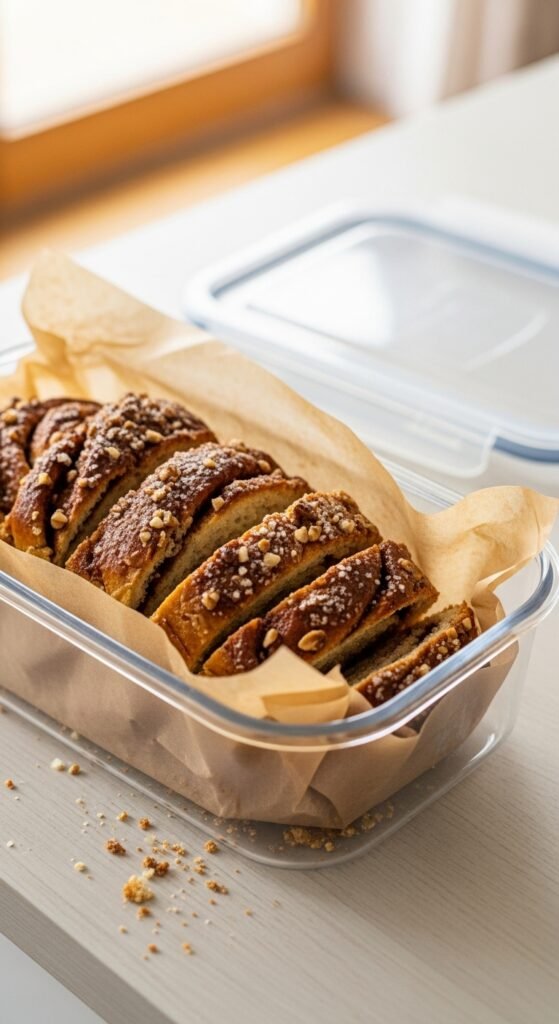
To refresh slices, let them sit at room temperature or warm briefly.
Easy Add-Ins That Don’t Ruin Softness
You can add flavor without sacrificing texture.
Softness-safe add-ins:
- Chocolate chips
- Dried fruit
- Citrus zest
- Cinnamon swirl
Avoid adding too many dry ingredients. When in doubt, lightly coat add-ins with flour so they don’t sink.
Final Takeaway
Soft, bakery-style sweet dessert bread isn’t about luck—it’s about moisture, gentle handling, and smart baking habits. Measure carefully, mix lightly, bake just until done, and store it right. Follow these steps, and you’ll get a loaf that stays tender and delicious long after it cools.
Save this recipe guide for later—and enjoy every soft, sweet slice!

Leave a Reply