

There’s something magical about slicing into a shortcake that’s tender, airy, and just slightly crumbly—especially when it’s layered with fresh fruit and clouds of whipped cream. The perfect shortcake shouldn’t feel heavy or dense. It should practically melt in your mouth.
If your shortcakes have ever turned out dry or biscuit-like, don’t worry. With a few simple techniques, you can transform them into bakery-style, light and fluffy desserts that everyone will rave about.
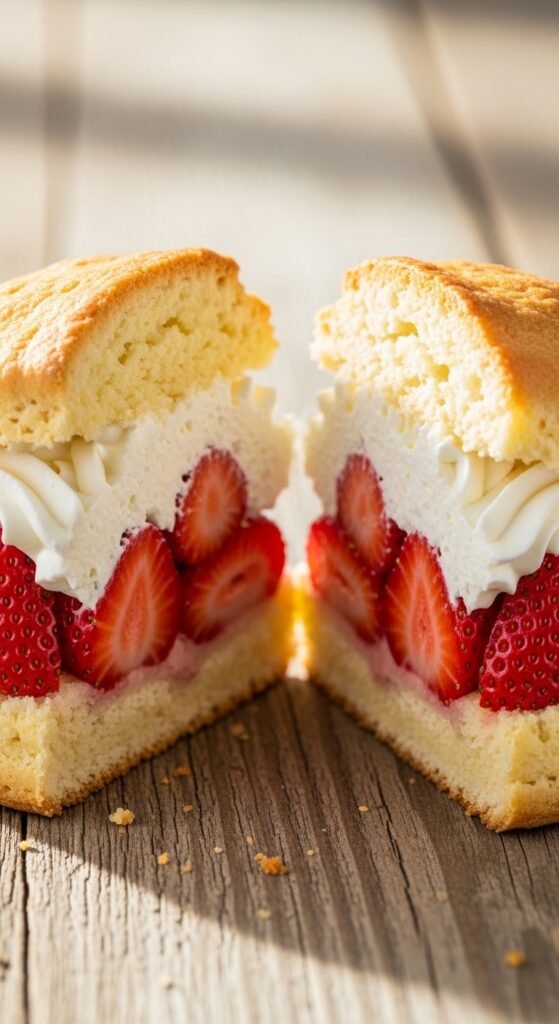
Let’s break it down step by step.
Understanding What Makes Shortcake Light
Before we jump into mixing bowls and baking sheets, it helps to know what gives shortcake its dreamy texture.
Light shortcake comes down to three things:
- Cold fat
- Minimal mixing
- Proper leavening
Shortcake is similar to a biscuit, but slightly sweeter and more delicate. When cold butter melts in the oven, it creates tiny steam pockets. Those pockets are what make your shortcake fluffy instead of dense.
Keep this golden rule in mind:
Handle the dough gently.
Choose the Right Ingredients
Your ingredients matter more than you think. Using the right combination is the foundation of a tender crumb.
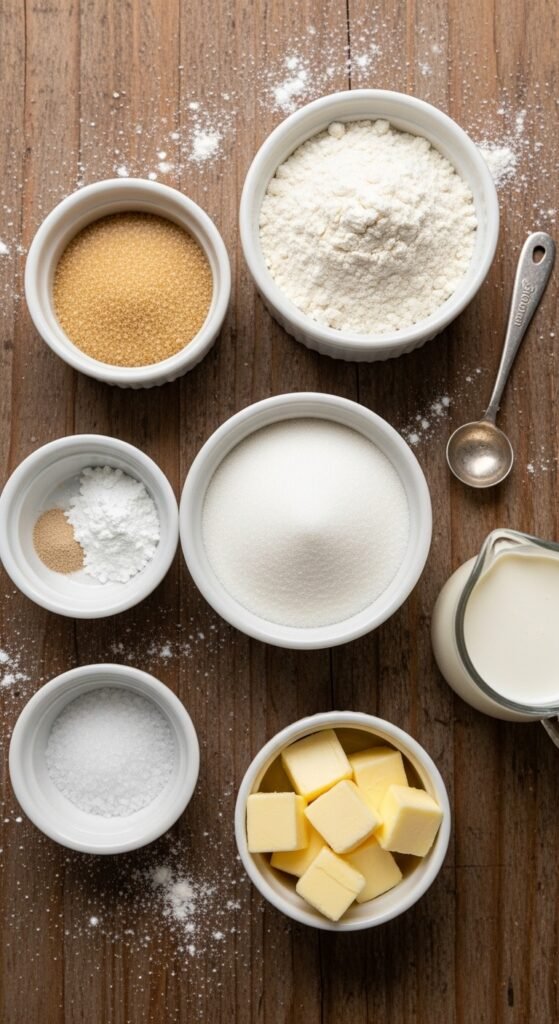
Here’s what you’ll need:
- 2 cups all-purpose flour
- 1/4 cup granulated sugar
- 1 tablespoon baking powder
- 1/2 teaspoon salt
- 1/2 cup cold unsalted butter (cubed)
- 2/3 to 3/4 cup cold heavy cream
- 1 teaspoon vanilla extract
Ingredient Tips for Extra Fluffiness
- Use cold butter straight from the fridge.
- Heavy cream adds richness and moisture.
- Don’t skip baking powder—it’s essential for lift.
- Sift your dry ingredients if you want an ultra-light texture.
Little details make a big difference.
Step-by-Step: Making Perfect Shortcake
Let’s bring it all together.
1. Mix the Dry Ingredients
In a large bowl, whisk together:
- Flour
- Sugar
- Baking powder
- Salt
Whisking helps distribute the leavening evenly.
2. Cut in the Butter
Add your cold butter cubes to the flour mixture.
Using:
- A pastry cutter
- Two forks
- Or your fingertips
Work the butter in until the mixture resembles coarse crumbs with pea-sized pieces.
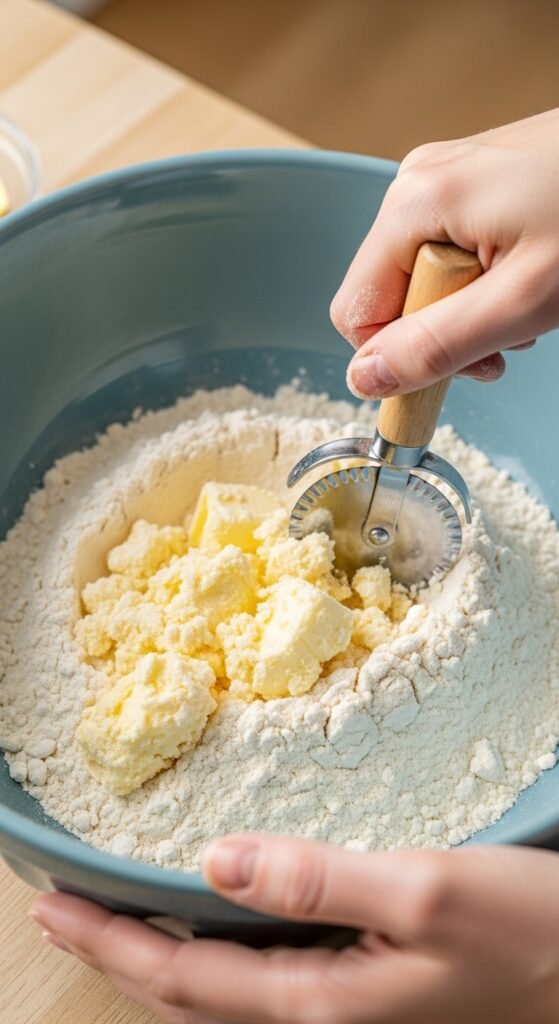
Those small butter chunks are what create airy layers.
3. Add Cream Gently
Pour in the heavy cream and vanilla.
Stir just until the dough comes together. It may look slightly shaggy—and that’s perfect.
Do not overmix.
Overworking the dough develops gluten, which leads to dense shortcake.
4. Shape Without Overhandling
Turn the dough onto a lightly floured surface.
- Gently pat it into a 1-inch thick round.
- Avoid using a rolling pin if possible.
- Cut into rounds with a biscuit cutter.
Press straight down—don’t twist. Twisting seals the edges and prevents proper rising.
5. Bake at the Right Temperature
Place the shortcakes on a parchment-lined baking sheet.
Bake at 400°F (200°C) for 12–15 minutes, or until golden on top.
High heat helps create steam quickly, which makes the interior fluffy.
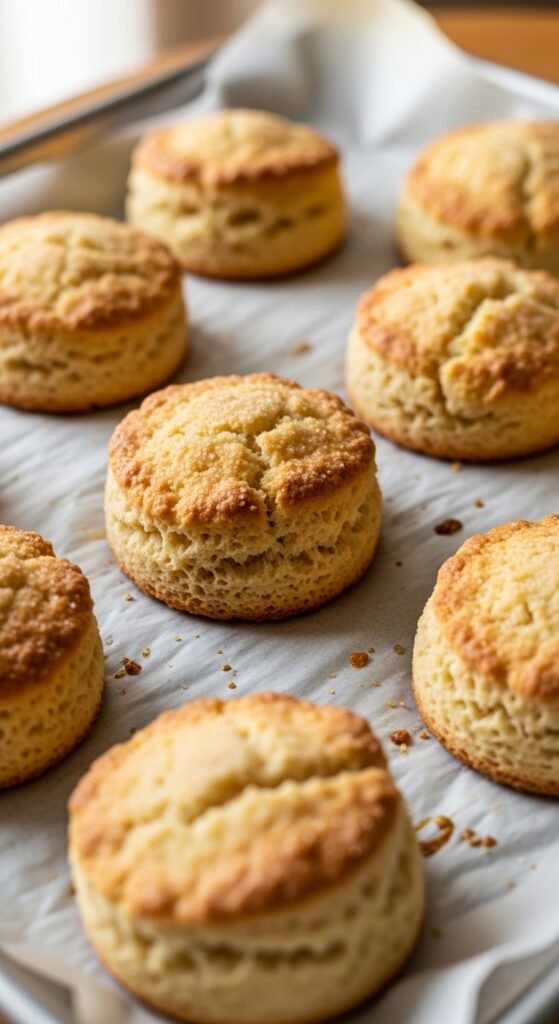
Let them cool slightly before slicing.
The Secret to Moist, Airy Layers
Once baked, texture is everything.
To keep your shortcakes soft:
- Slice with a serrated knife.
- Don’t press down too hard.
- Add fillings just before serving.
Shortcake absorbs moisture quickly. Assembling too early can make them soggy.
Fluffy Whipped Cream Done Right
Shortcake isn’t complete without whipped cream that’s light as air.
To make it:
- 1 cup cold heavy cream
- 2 tablespoons powdered sugar
- 1/2 teaspoon vanilla
Beat until soft peaks form.
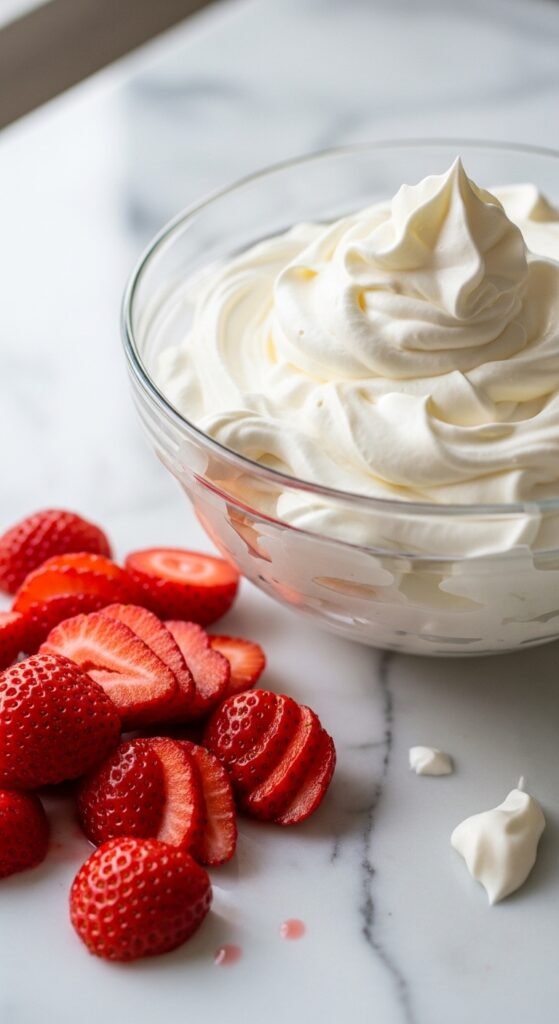
Pro Tip:
Chill your mixing bowl and beaters beforehand. Cold tools whip cream faster and create better structure.
Flavor Variations That Stay Light
Want to elevate your shortcake?
Try these ideas without weighing it down:
- Lemon zest in the dough for brightness
- Almond extract for subtle nuttiness
- Vanilla bean seeds for a bakery-style look
- Orange zest + honey drizzle for a fresh twist
For fruit toppings:
- Fresh strawberries
- Mixed berries
- Peaches with a sprinkle of sugar
- Lightly macerated raspberries
Keep toppings fresh and simple. Heavy syrups can overpower the delicate crumb.
Common Mistakes to Avoid
Even small missteps can change your texture.
Avoid:
- Overmixing the dough
- Using warm butter
- Packing flour too tightly when measuring
- Baking at low temperature
- Twisting the cutter
If your shortcake turns out dense, it’s usually due to too much handling or not enough leavening.
Assembling the Perfect Shortcake Dessert
When ready to serve:
- Slice shortcake in half.
- Spoon fruit onto the bottom half.
- Add a generous layer of whipped cream.
- Place the top gently over it.
- Finish with more cream and fruit.
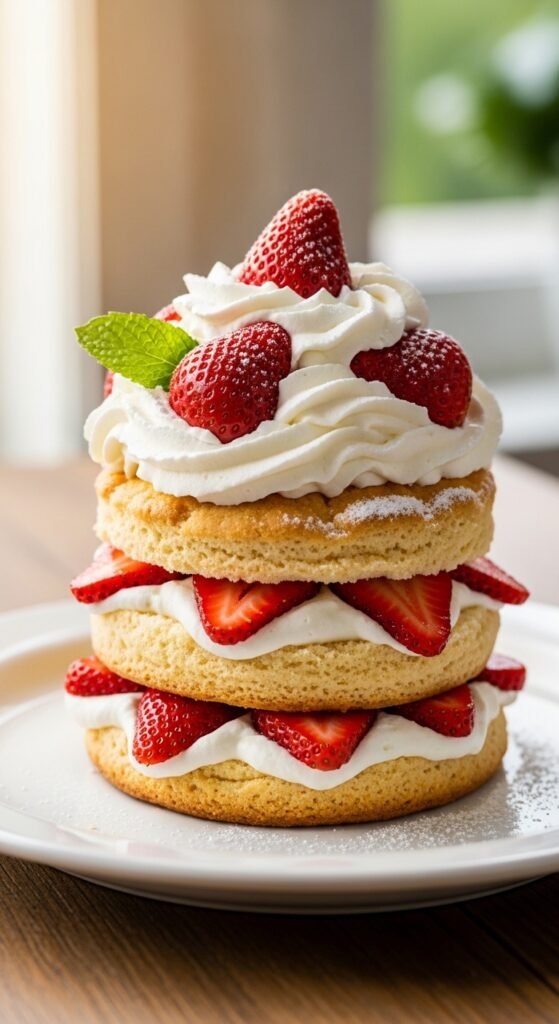
Light. Fluffy. Beautiful.
Exactly how shortcake should be.
Final Thoughts
Making shortcake desserts light and fluffy isn’t complicated—it’s about technique. Cold butter, gentle mixing, and high heat are your best friends.
Once you master the basics, you can customize flavors and toppings endlessly while keeping that soft, airy texture everyone loves.
Save this recipe for later and try it the next time you want a dessert that feels both comforting and elegant. Your future self (and your guests) will thank you.

Leave a Reply