

There’s nothing more disappointing than pulling a beautiful cake or batch of brownies out of the oven — only to discover they’re dry, crumbly, and far from the soft, melt-in-your-mouth texture you imagined. The good news? Dry desserts are almost always preventable. With a few smart baking habits and simple ingredient tweaks, you can create treats that stay moist, tender, and bakery-worthy every single time.
Whether you’re baking cookies for family tea time or preparing a celebration cake, these practical tips will help you lock in moisture and flavor from the first mix to the final bite.
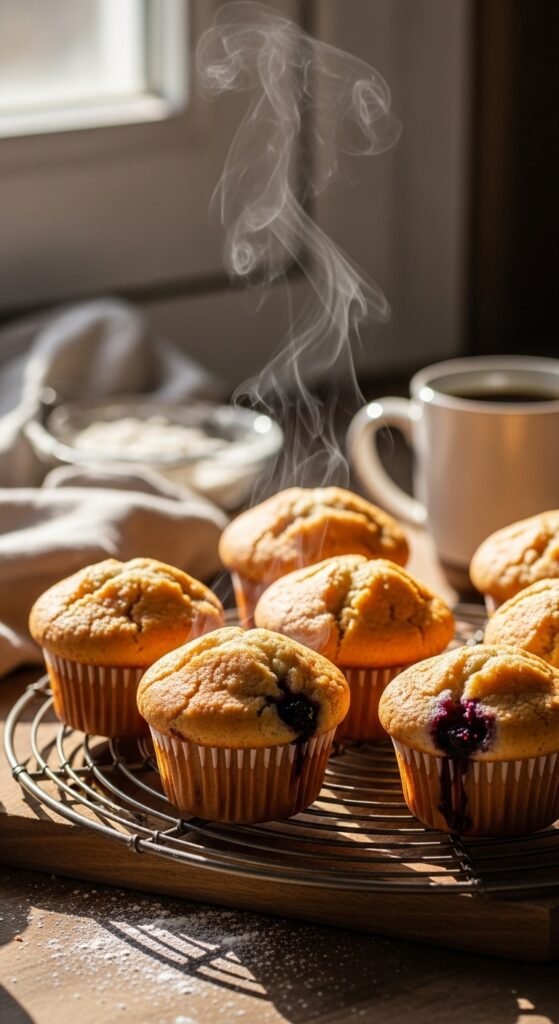
Understand Why Desserts Turn Dry
Before fixing the problem, it helps to know what causes dryness in the first place. Most baked goods lose moisture due to small but common mistakes.
The main culprits include:
- Overbaking (even 3–5 extra minutes matters!)
- Too much flour
- Not enough fat or liquid
- Oven temperature that’s too high
- Skipping resting or cooling steps
Baking is a balance between structure and moisture. Flour builds structure, while fats, sugar, and liquids keep desserts soft. When that balance shifts, dryness appears.
👉 Think of moisture as something you protect throughout the entire baking process — not just something added at the start.
Measure Ingredients the Right Way
One of the biggest hidden reasons desserts dry out is incorrect measuring, especially flour.
Easy measuring fixes:
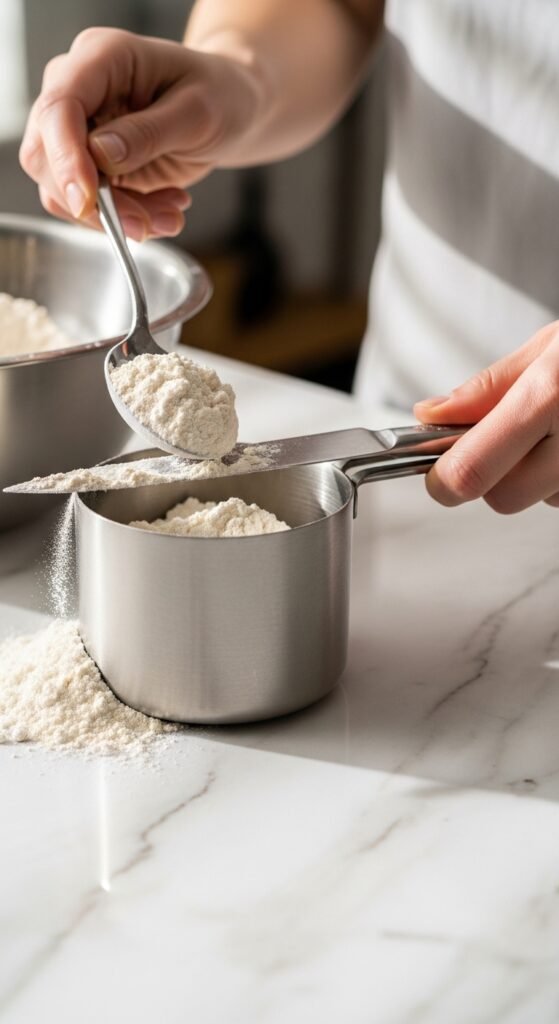
- Spoon flour into the measuring cup instead of scooping directly.
- Level it gently with a knife.
- Avoid packing ingredients unless the recipe says so.
- Use measuring cups designed for dry vs. liquid ingredients.
Too much flour absorbs extra moisture and creates dense, dry textures. Even an extra tablespoon per cup can change the result.
Choose Moisture-Boosting Ingredients
Certain ingredients naturally help desserts stay soft longer. Adding or swapping just one component can make a noticeable difference.
Ingredients that add moisture:
- Yogurt or cream
- Mashed banana or applesauce
- Honey or syrup
- Brown sugar instead of white sugar
- Oil combined with butter
Brown sugar, for example, holds more moisture than white sugar because of its natural molasses content. Similarly, oil stays liquid at room temperature, keeping cakes softer for longer.
💡 Tip: If a cake tends to dry quickly, replace a small portion of butter with oil for better texture.
Don’t Overmix the Batter
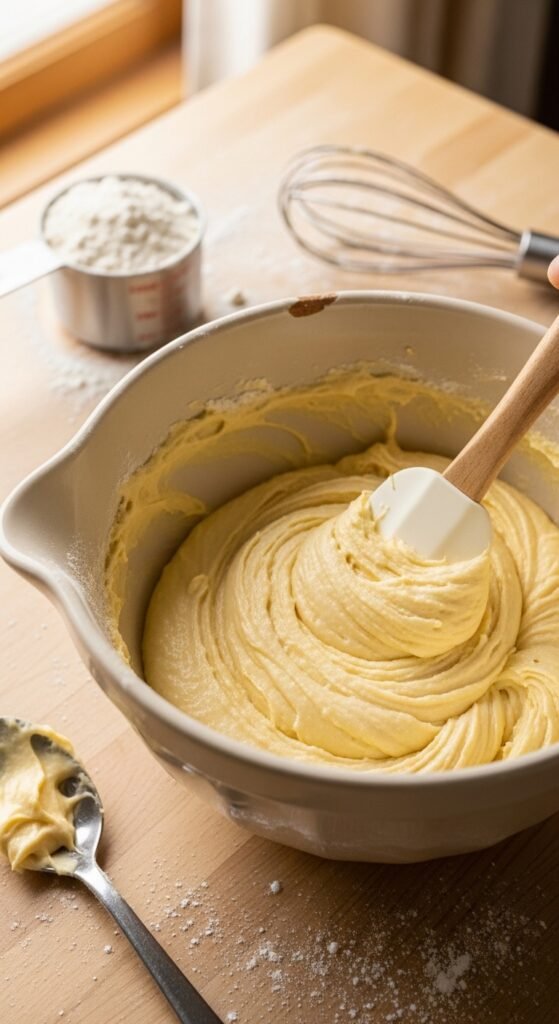
It’s tempting to keep mixing until everything looks perfectly smooth — but overmixing develops too much gluten, which leads to tough and dry desserts.
Mix smarter:
- Combine dry and wet ingredients separately first.
- Mix just until combined.
- Stop when you no longer see streaks of flour.
A slightly lumpy batter is completely fine. In fact, it often bakes into a softer dessert.
Master Oven Temperature and Timing
Your oven plays a bigger role than you might think. Many home ovens run hotter or cooler than the displayed temperature.
Moisture-saving baking tips:
- Preheat fully before baking.
- Use an oven thermometer if possible.
- Bake on the center rack.
- Start checking doneness early.
Instead of relying only on time, look for visual signs:
- Edges lightly golden
- Center slightly soft
- Toothpick with a few moist crumbs (not completely clean)
Remember: desserts continue cooking slightly after removal from the oven.
Use Simple Tricks to Lock in Moisture
Professional bakers rely on small techniques that make a big difference.
Try these easy methods:
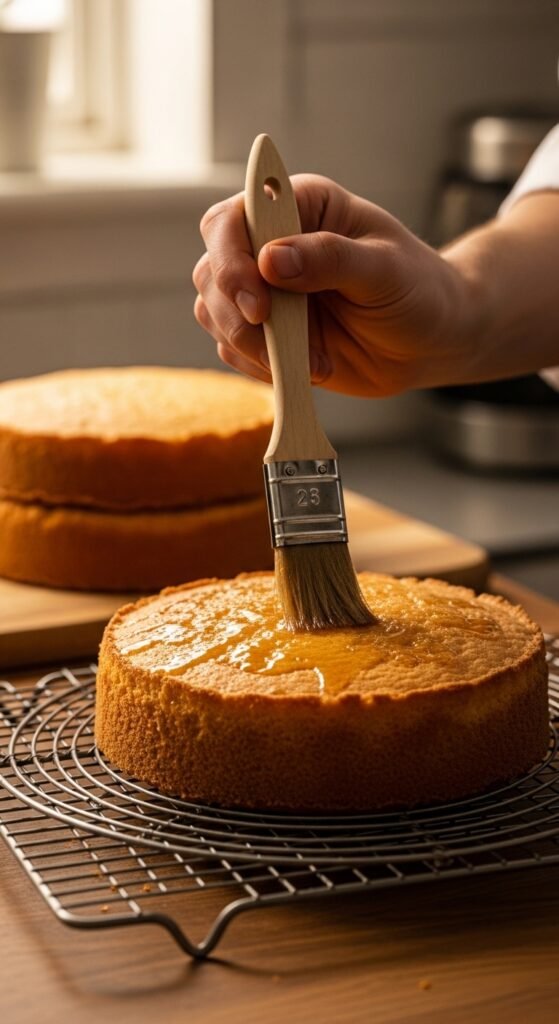
- Brush cakes lightly with simple syrup after baking.
- Cover warm desserts loosely with foil to trap steam.
- Store baked goods in airtight containers once cooled.
- Add a slice of bread to cookie containers to maintain softness.
Steam is your friend — it keeps baked goods tender instead of drying out too quickly.
Cool and Store Desserts Properly
Cooling might seem like the easiest step, but doing it incorrectly can dry out your dessert fast.
Best cooling practices:
- Let desserts rest in the pan for 10–15 minutes.
- Transfer to a wire rack afterward.
- Avoid refrigerating unless necessary.
- Wrap cakes once fully cooled to seal moisture inside.
Refrigerators tend to pull moisture out of baked goods, making them firm and dry. Room-temperature storage usually keeps texture better.
Bonus: Fixing a Dessert That’s Already Dry
If your dessert didn’t turn out as planned, don’t worry — you can still save it!
Quick rescue ideas:
- Turn dry cake into a layered trifle with cream.
- Add warm sauce or glaze.
- Serve with custard or fruit topping.
- Crumble into dessert parfaits.
Sometimes a creative twist transforms a mistake into something even more delicious.
The Sweet Takeaway
Perfectly moist baked desserts aren’t about complicated recipes — they’re about small, thoughtful techniques. Measure carefully, avoid overmixing, monitor baking time, and use ingredients that naturally retain moisture. Once you apply these habits, you’ll notice softer cakes, chewy cookies, and desserts that stay fresh longer.
Next time you bake, keep these tips nearby — and enjoy the confidence of knowing your treats will come out tender and irresistible.
Save this guide for later and make every bake beautifully soft and delicious!

Leave a Reply