

There’s something magical about a perfectly smooth cream cheese dessert. That silky bite of cheesecake, the creamy swirl of frosting, or the melt-in-your-mouth filling of a no-bake pie can instantly turn a simple recipe into something bakery-worthy. But if you’ve ever ended up with tiny lumps, grainy texture, or a filling that just didn’t feel luxurious — you’re not alone.
The good news? Ultra-smooth cream cheese desserts aren’t about expensive ingredients or complicated techniques. They’re all about small, smart steps that make a huge difference.
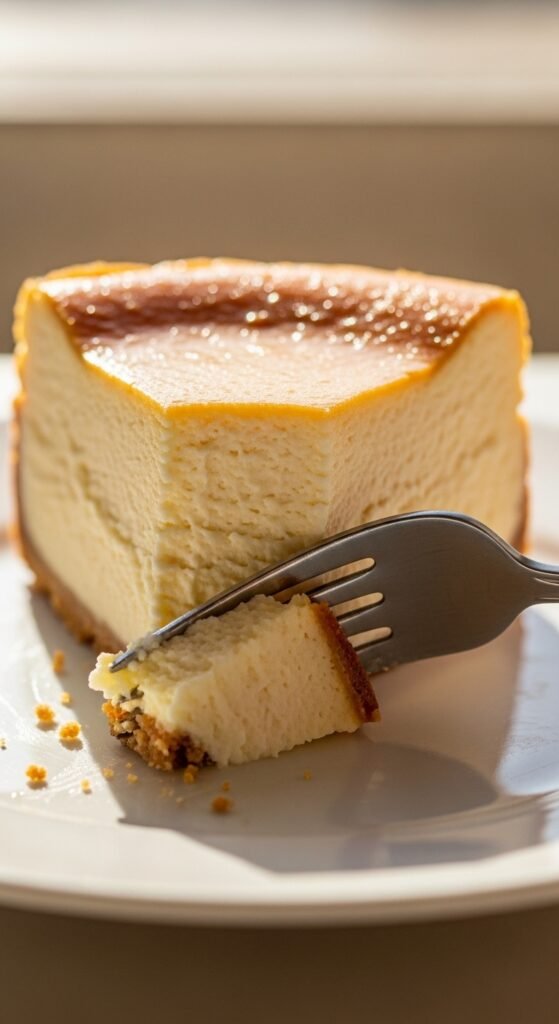
Let’s break down the secrets that bakers use to get that perfectly velvety finish every single time.
Start With Properly Softened Cream Cheese
This is the #1 rule — and the one most people rush.
Cold cream cheese is firm and resistant to mixing. When blended, it forms tiny lumps that refuse to disappear, no matter how long you beat the mixture.
How to soften it correctly:
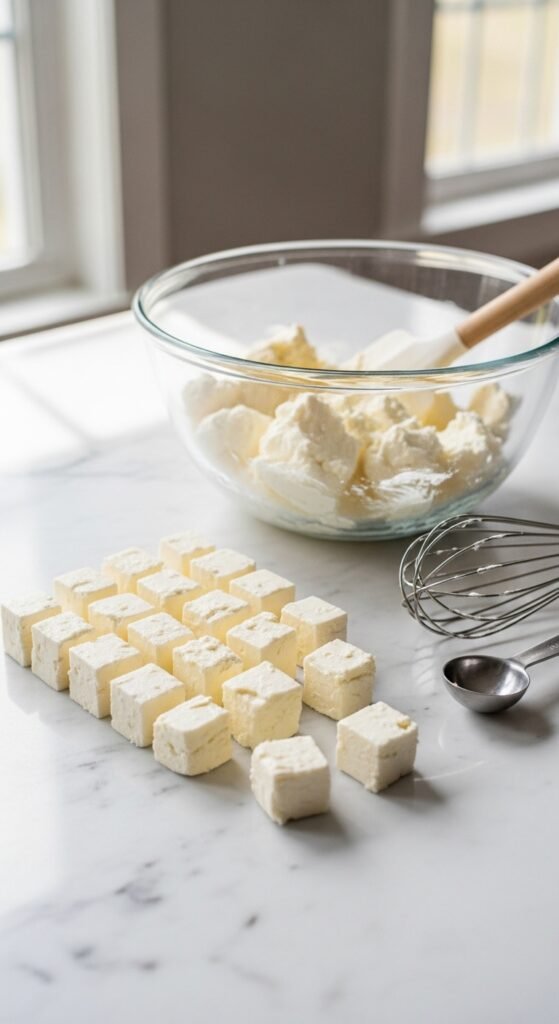
- Remove cream cheese from the fridge 30–60 minutes before baking.
- Cut it into cubes to speed up softening.
- It should feel soft when pressed but not oily or melted.
Avoid microwaving if possible. Uneven heating can create melted spots and firm centers, which leads to texture problems later.
Quick tip: If you’re short on time, place the wrapped cream cheese in a bowl of warm (not hot) water for 10 minutes.
Beat Cream Cheese Before Adding Anything Else
Many recipes say to mix all ingredients together — but smooth desserts come from layering your mixing steps.
Start by beating cream cheese alone first.
Why this works:
- It breaks down firmness early.
- Removes hidden lumps.
- Creates a fluffy base that blends easily with sugar and liquids.
Use a hand mixer or stand mixer on medium speed for about 2–3 minutes until creamy and spreadable.
Once smooth, then add sugar gradually.
Pro baker secret: Sugar crystals help further smooth the texture when mixed slowly.
Add Ingredients in the Right Order
Dumping everything into one bowl is tempting, but timing matters.
Follow this order for the smoothest results:
- Cream cheese (fully beaten)
- Sugar
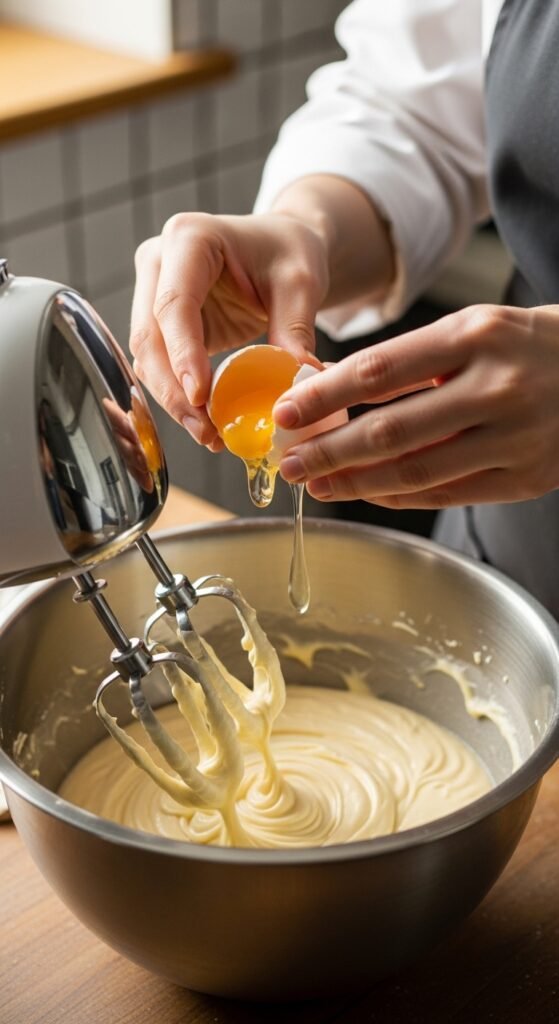
- Eggs (one at a time)
- Liquids like vanilla, cream, or lemon juice
- Heavy ingredients like melted chocolate or fruit purée
Adding eggs too early or all at once can cause curdling or overmixing.
Gentle mixing matters
After adding eggs:
- Reduce mixer speed to low.
- Mix just until combined.
Overbeating introduces air bubbles, which can cause cracks in cheesecakes and uneven textures.
Use Room-Temperature Ingredients — Not Just Cream Cheese
Even perfectly softened cream cheese can turn lumpy if cold ingredients are added.
Cold eggs, cream, or sour cream shock the mixture and tighten the fats, creating small clumps.
Bring these to room temperature:
- Eggs
- Heavy cream
- Sour cream or yogurt
- Butter (for frostings)
A simple trick: place eggs in warm water for 5 minutes before using.
Consistency equals smoothness — every ingredient should blend at the same temperature.
Strain or Fold for Ultra-Silky Texture
If you want bakery-level results, this step is a game changer.
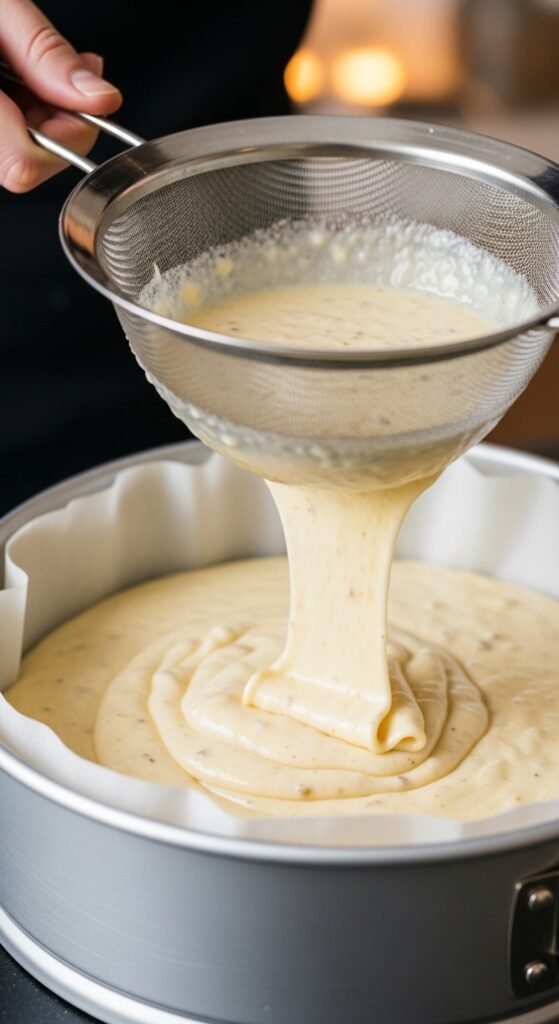
Option 1: Strain the batter
Pour cheesecake batter through a fine mesh sieve before baking. This removes stubborn lumps instantly.
Option 2: Fold instead of beat
For no-bake desserts:
- Whip cream separately.
- Gently fold it into the cream cheese mixture using a spatula.
Folding keeps the mixture airy while staying smooth.
Control Heat for Perfect Creaminess
Texture doesn’t stop at mixing — baking matters too.
High heat causes proteins to tighten quickly, which leads to grainy or dry cheesecake.
For baked desserts:
- Bake low and slow (around 160–170°C / 325°F).
- Use a water bath when possible.
- Avoid opening the oven door frequently.
Cooling is just as important:
- Turn off oven and crack the door open.
- Let cheesecake cool gradually to prevent texture shock.
For no-bake desserts, chill long enough — usually 6–8 hours — so the filling sets smoothly.
Finish With a Smooth Presentation
Even the final touches affect how creamy your dessert feels.
Easy finishing tricks:
- Spread toppings gently with an offset spatula.
- Warm your knife in hot water before slicing.
- Wipe the blade clean between cuts.
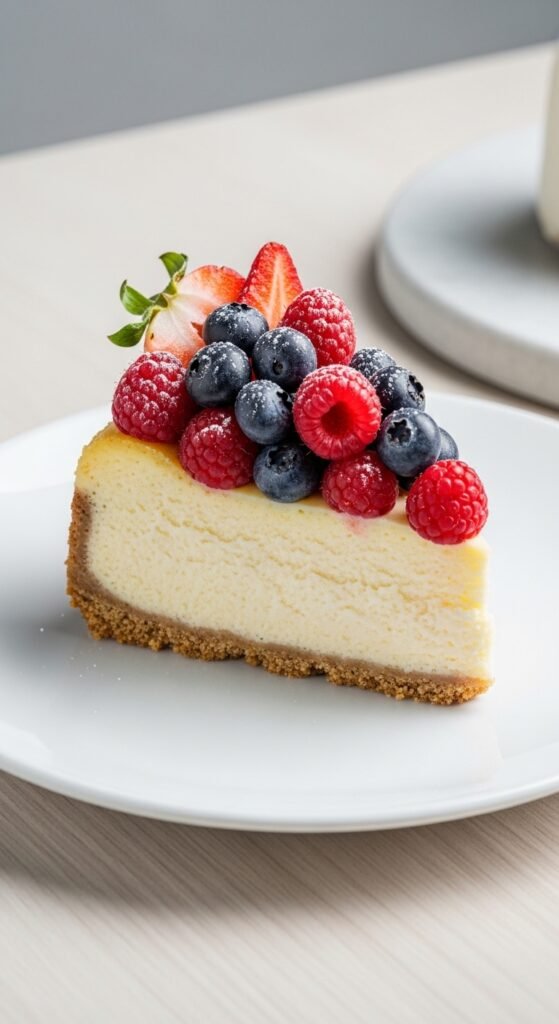
These small steps create clean, glossy slices that look as smooth as they taste.
Common Mistakes to Avoid
Keep these quick reminders in mind:
- Using cold ingredients
- Overmixing after adding eggs
- Skipping pre-mixing cream cheese
- Baking at high temperatures
- Rushing the cooling or chilling time
Fixing just one of these can dramatically improve texture.
The Takeaway: Smoothness Is All About Patience
The secret to extra smooth cream cheese desserts isn’t complicated — it’s careful preparation, gentle mixing, and a little patience. When you slow down and follow these simple techniques, your cheesecakes, frostings, and fillings instantly feel richer, lighter, and more professional.
Once you try these tips, you’ll notice the difference in every bite.
Save this guide for later and turn your next cream cheese dessert into a silky masterpiece!

Leave a Reply