

Plating desserts with finesse can take a simple dish from ordinary to extraordinary. Whether you’re a chef wanting to add a touch of elegance to your creations or a home cook aiming to impress your guests, perfecting your dessert presentation is a crucial skill. With a few expert tricks and a dash of creativity, you can elevate your desserts to restaurant-quality works of art. Let’s dive into some key plating techniques and tips that will make your sweets look as beautiful as they taste.
Choose the Right Plate
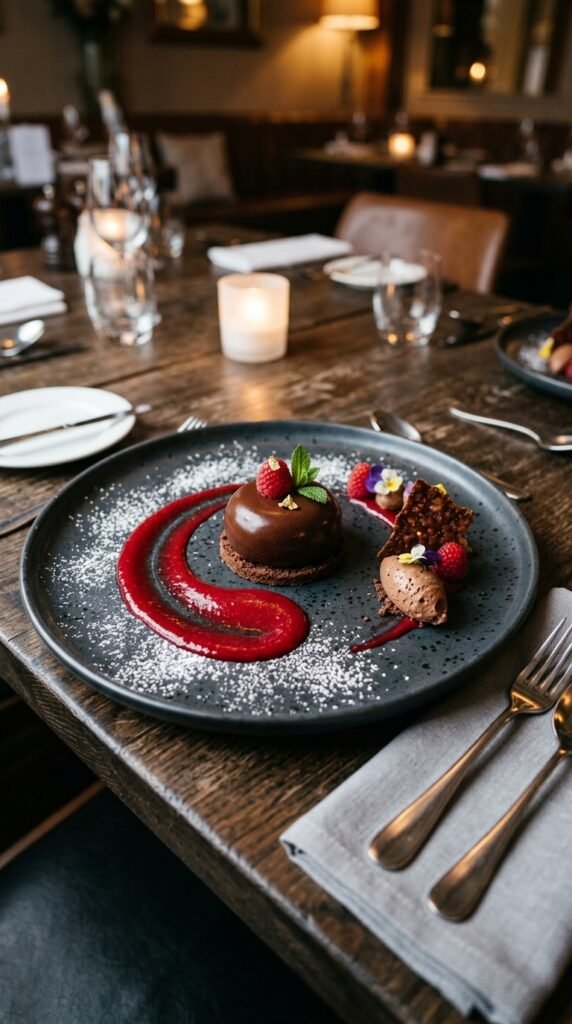
The first step in creating a restaurant-worthy dessert is choosing the right plate. Your dessert’s beauty can be enhanced by how it’s served, and the plate is your canvas.
- Size matters: A plate that’s too large can make the dessert seem insignificant, while a plate that’s too small might crowd the dish. A medium-sized plate is perfect for showcasing the dessert without overwhelming it.
- Neutral colors: White, black, or neutral-colored plates allow the dessert’s colors to pop. Avoid busy patterns that might distract from your creation.
- Shape: Round plates are classic, but square or irregular shapes can add an artistic touch. Just make sure the shape complements the dessert’s look.
Start with the Base
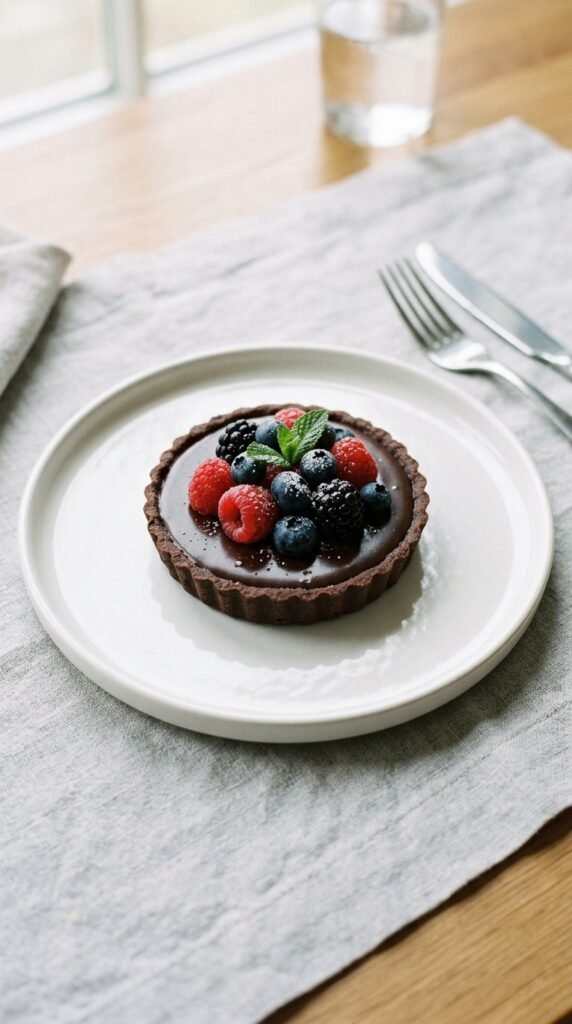
Before you begin arranging the components of your dessert, it’s essential to create a base. This step helps anchor the dessert and gives you a foundation to build upon.
- Sauces and coulis: A simple drizzle of fruit coulis or chocolate sauce can add color and a professional touch. Use a squeeze bottle or spoon to control the flow and create neat lines or abstract shapes.
- Powdered sugar or cocoa powder: A light dusting of powdered sugar or cocoa powder can frame the dessert beautifully. You can also use stencils to create fun shapes.
- Crumbled textures: Crumbled cookies, nuts, or cake bits placed strategically around the plate can add visual interest and texture.
Layer with Texture
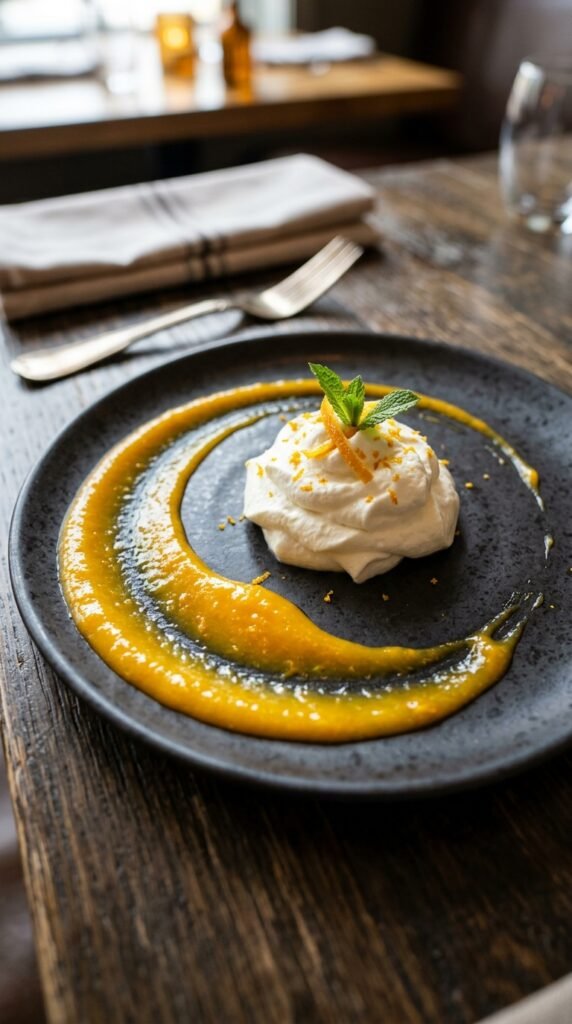
Texture plays an important role in the visual appeal of desserts. Combining different textures not only adds interest to the plate but also enhances the overall dining experience.
- Soft and crisp: Pair soft elements like mousse or custard with crunchy textures like caramel shards, candied nuts, or crispy tuile cookies.
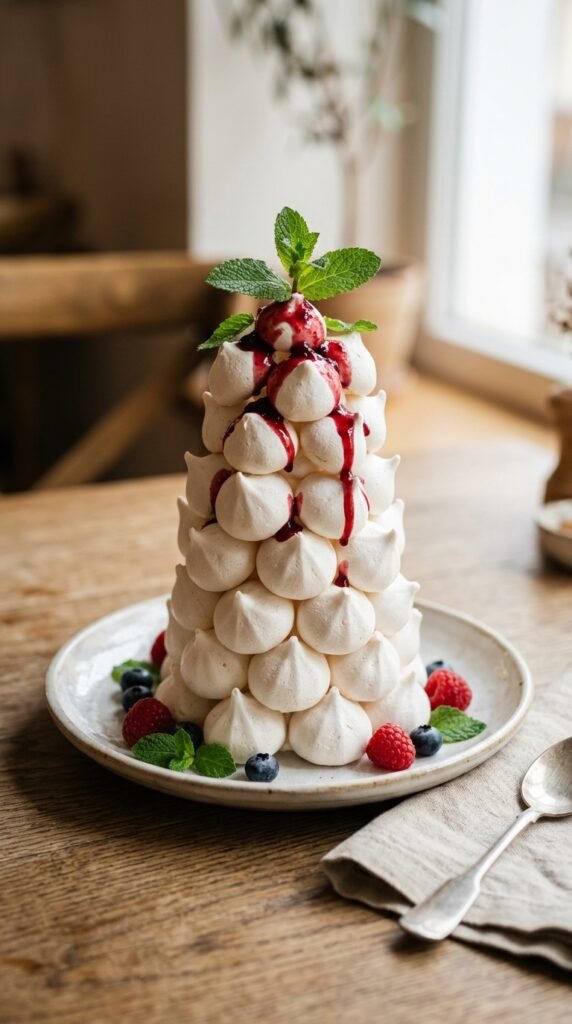
- Height: Adding height to your plating can give it a dynamic look. Stack elements or use tall, delicate garnishes to create a more dramatic presentation.
- Symmetry vs. Asymmetry: Symmetry is often associated with elegance, while asymmetry can give a more modern, organic feel. Experiment with both to find what works best for your dessert.
Garnishing for Visual Impact
The garnish can either complete your dessert or completely change its look. It’s your final opportunity to add that “wow” factor to your plate.
- Fresh fruits: Fresh berries, slices of kiwi, or a thin wedge of citrus can add vibrant colors and freshness.
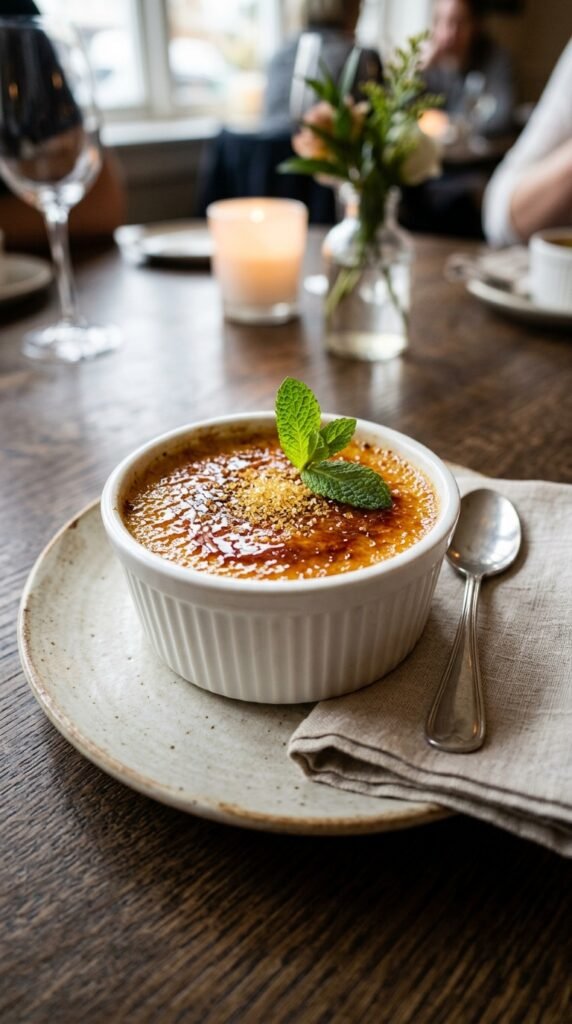
- Herbs and edible flowers: A sprig of mint or a few petals of an edible flower can make your dessert look polished and fresh.
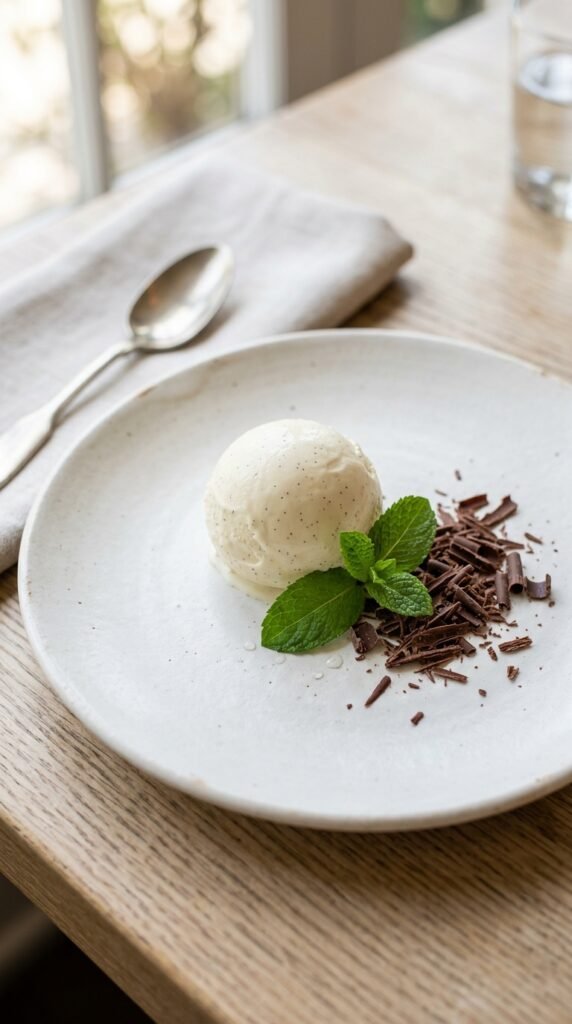
- Chocolates and sugars: Artistic chocolate curls, spun sugar, or a drizzle of caramel can add sophistication.
Keep It Simple and Elegant
Sometimes, less is more. Avoid overcrowding the plate, which can make the dessert look too busy. Allow the components to shine individually while being mindful of the overall composition. Clean edges and a polished finish go a long way in making your dessert look professionally plated.
- Less is more: Focus on a few key elements that highlight the flavors and textures of your dessert.
- Clean edges: Wipe the edges of your plate with a clean cloth before serving to ensure there are no smudges or spills.
Conclusion: A Feast for the Eyes and the Palate
Plating desserts is an art form that requires practice, patience, and creativity. By choosing the right plate, layering textures, adding thoughtful garnishes, and keeping your presentation clean, you can transform any dessert into a work of art that’s sure to impress. Remember, a beautifully plated dessert isn’t just about aesthetics—it’s about enhancing the overall dining experience. So, go ahead and put your newfound plating skills to the test and let your desserts shine!
Save this article for later and refer back to it next time you’re in the kitchen crafting a masterpiece!

Leave a Reply