

There’s something undeniably comforting about a spoonful of silky, melt-in-your-mouth custard. Whether it’s poured over warm cake, baked into a creamy pudding, or served chilled with a glossy caramel top, custard desserts feel luxurious yet surprisingly simple to make at home.
The secret? A few humble ingredients, gentle heat, and a little patience.
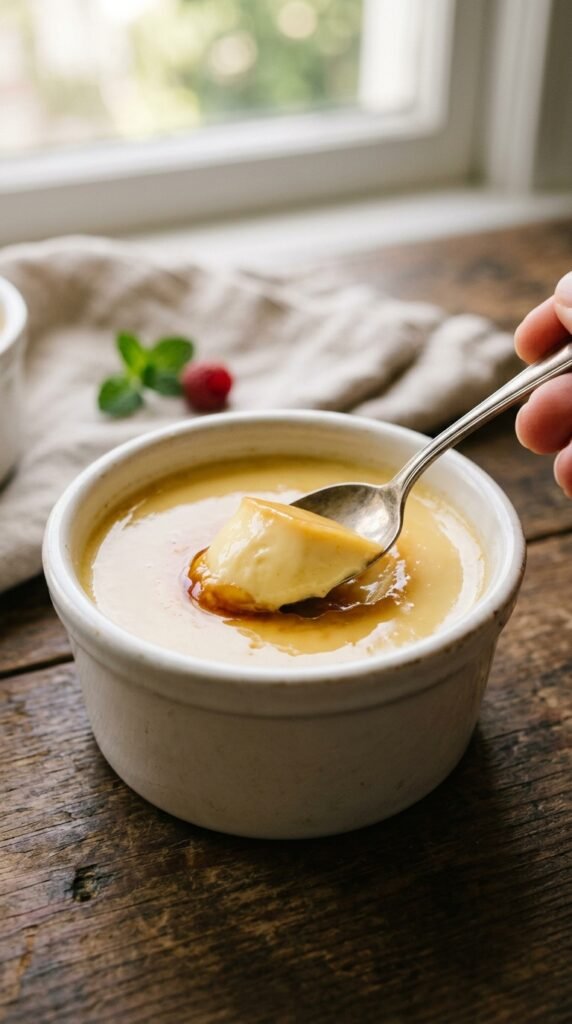
Let’s break down exactly how you can master silky custard desserts—even if you’ve never made one before.
Understanding the Basics of Custard
Custard is a delicate mixture of eggs, milk (or cream), sugar, and flavorings. The magic happens when heat gently thickens the eggs, creating that signature creamy texture.
There are two main types of custard:
- Stirred custards (like vanilla custard sauce or pastry cream)
- Baked custards (like crème brûlée or flan)
Both rely on the same principle: low and slow cooking.
Key Ingredients:
- Eggs (for structure and richness)
- Milk or cream (for smoothness)
- Sugar (for sweetness)
- Vanilla or other flavorings
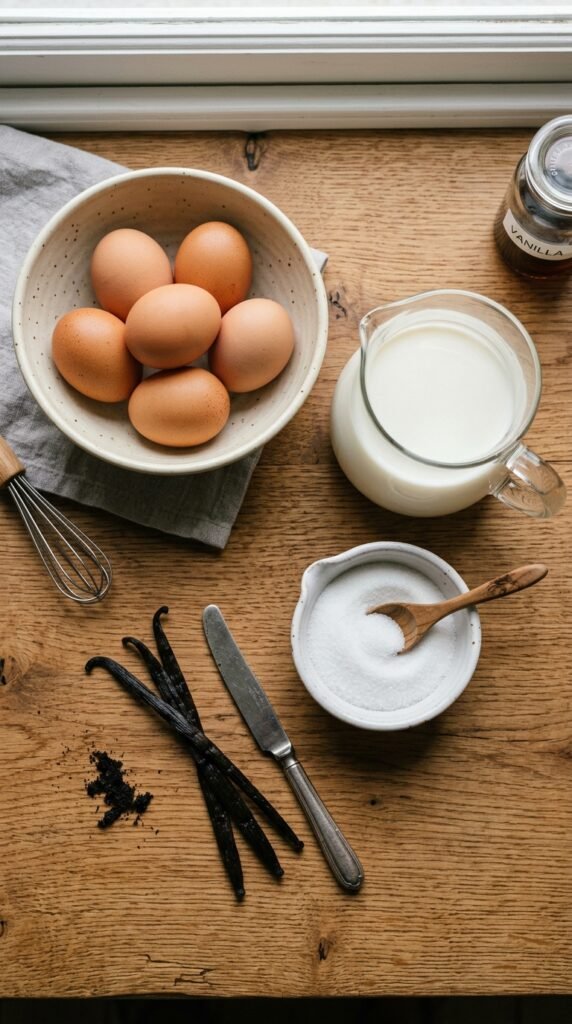
Step-by-Step: Making a Perfect Custard Base
Getting the base right is everything. Follow these simple steps:
1. Warm the Milk
Heat your milk or cream gently until it’s warm—not boiling. This helps it blend smoothly with the eggs.
2. Whisk Eggs and Sugar
In a separate bowl:
- Whisk eggs and sugar until pale and slightly thickened
- Avoid over-whisking to prevent too many bubbles
3. Temper the Eggs
Slowly pour warm milk into the egg mixture while whisking continuously.
This step prevents the eggs from scrambling.
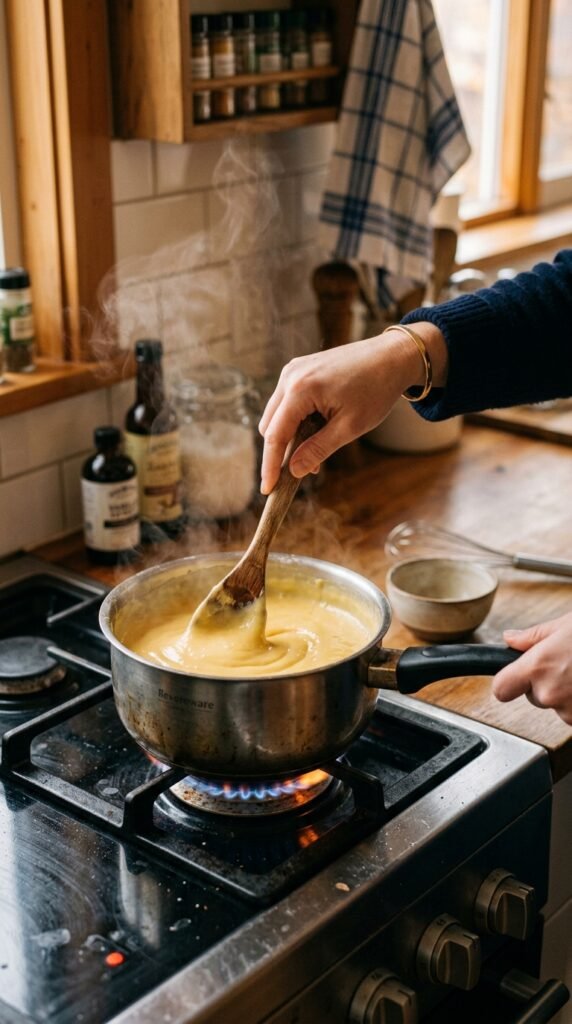
4. Cook Gently
Return the mixture to low heat and stir constantly until it thickens.
- Use a wooden spoon or spatula
- Custard is ready when it coats the back of the spoon
Tips for That Silky-Smooth Texture
Perfect custard isn’t just about following steps—it’s about finesse. These tips will elevate your results:
- Use low heat: High heat causes curdling
- Stir constantly: Prevents lumps and uneven cooking
- Strain the custard: Removes bubbles or cooked egg bits
- Use a water bath (for baked custards): Ensures even cooking
If your custard accidentally curdles, don’t panic! Blend it quickly to smooth it out.
Flavor Variations to Try
Once you’ve mastered the basic custard, it’s time to get creative.
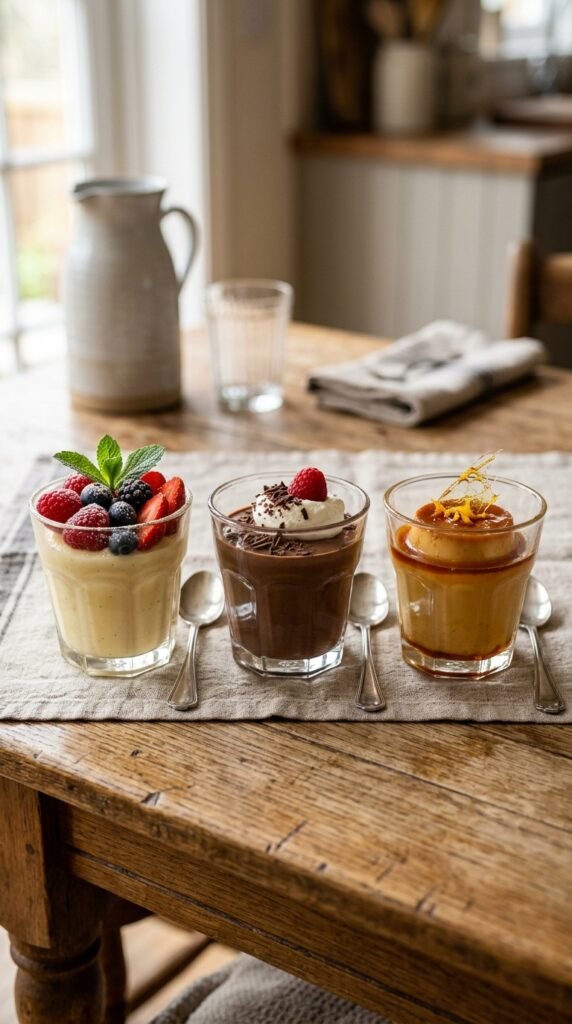
Classic Vanilla
- Add real vanilla extract or a vanilla bean
- Perfect for pouring over desserts
Caramel Custard (Flan)
- Pour caramelized sugar into molds before adding custard
- Creates a rich, glossy topping
Chocolate Custard
- Stir in melted dark chocolate for a decadent twist
Citrus Custard
- Add lemon or orange zest for a fresh, tangy flavor
Baking Custard Desserts Like a Pro
For baked custards, technique matters even more.
Use a Water Bath (Bain-Marie)
- Place your custard-filled dish in a larger tray
- Fill the tray with hot water halfway up the sides
Bake Low and Slow
- Keep oven temperature around 160–170°C (320–340°F)
- Custard should jiggle slightly in the center when done
Chill Before Serving
- Most baked custards taste better after chilling
- This helps them fully set and develop flavor
Common Mistakes to Avoid
Even simple recipes can go wrong without care. Watch out for these:
- Boiling the custard → leads to scrambling
- Skipping tempering → causes lumps
- Overbaking → results in rubbery texture
- Not straining → leaves imperfections
Small adjustments make a big difference in texture.
Serving and Presentation Ideas
Custard desserts are simple—but presentation can make them feel gourmet.
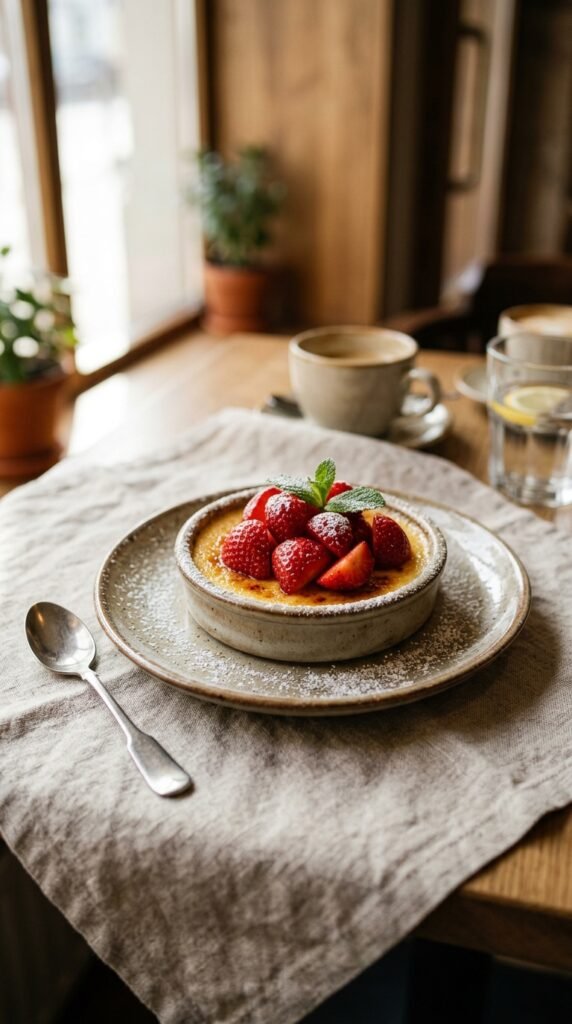
- Serve in ramekins or glass jars
- Top with:
- Fresh berries
- Caramel drizzle
- Whipped cream
- Crushed nuts
For an elegant touch, torch sugar on top for a crisp caramel layer.
Final Thoughts
Making silky custard desserts at home is easier than it seems—and incredibly rewarding. With just a few ingredients and the right technique, you can create desserts that taste like they came straight from a bakery.
Start simple, practice patience, and don’t be afraid to experiment with flavors.
Save this guide for later and treat yourself to a creamy, dreamy dessert anytime you like!

Leave a Reply