

There’s something comforting about the smell of banana bread baking in the oven. It feels cozy, familiar, and just a little nostalgic. The best part? You don’t need fancy tools or hard-to-find items to make a loaf that turns out soft, rich, and moist every single time.
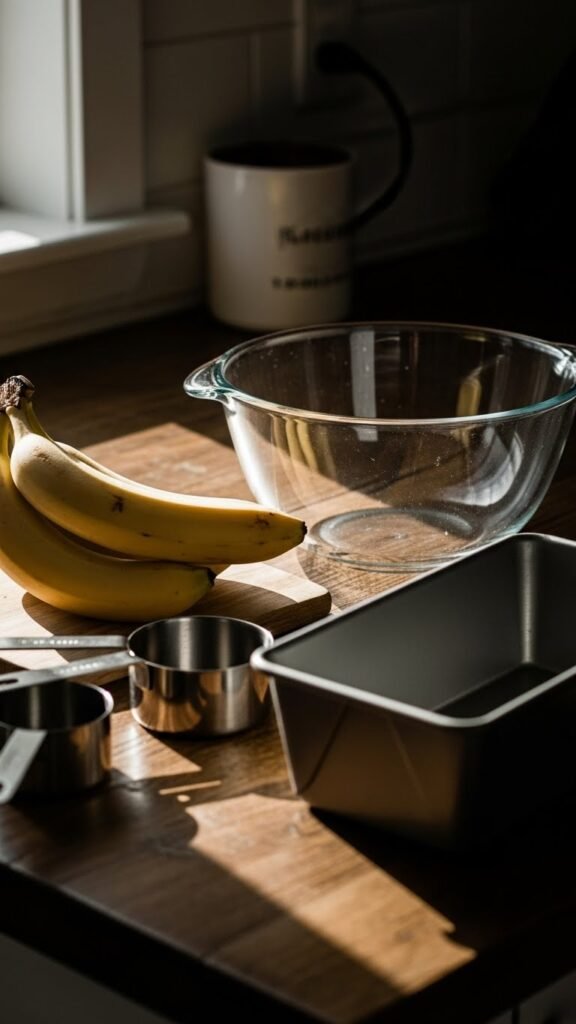
This guide walks you through exactly how to make moist banana bread using simple ingredients you probably already have. Whether this is your first loaf or your fiftieth, these tips will help you nail the texture and flavor.
Why Banana Bread Sometimes Turns Dry
Banana bread should be tender and sliceable, not crumbly or stiff. Dry banana bread usually comes down to a few common mistakes:
- Not enough ripe bananas
- Too much flour packed into the measuring cup
- Overmixing the batter
- Baking it a little too long
The good news? All of these are easy fixes. Once you understand what adds moisture and what removes it, banana bread becomes nearly foolproof.
Choosing the Right Bananas Matters
The bananas are the star of this recipe. Their ripeness directly affects both sweetness and moisture.
Look for bananas that are:
- Deep yellow with lots of brown spots
- Soft when pressed
- Very fragrant
If your bananas are still yellow and firm, they won’t mash well and won’t release enough moisture.
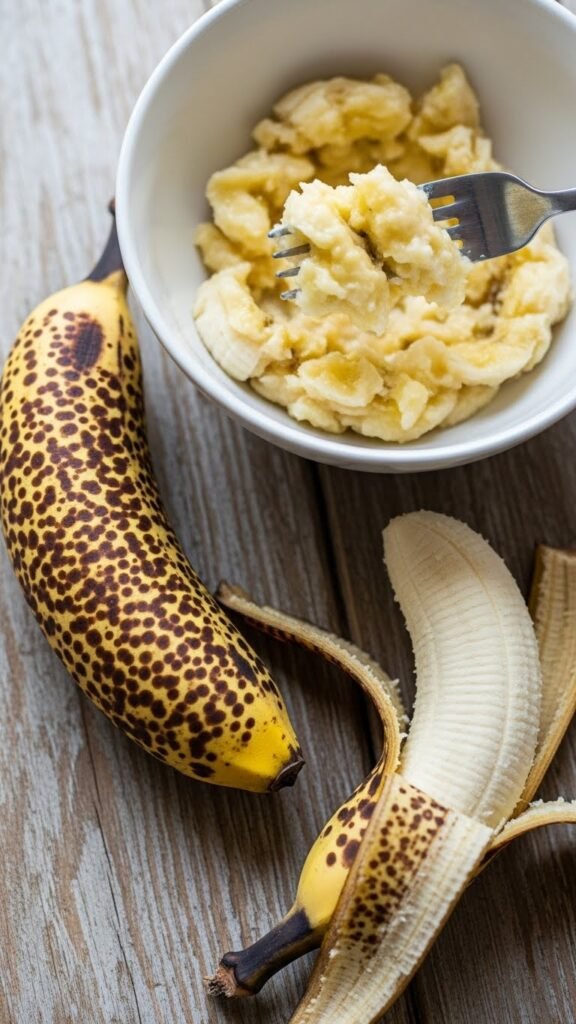
Quick tip: If your bananas aren’t ripe yet, let them sit on the counter for a day or two. The darker the peel, the better the bread.
Simple Ingredients That Keep Banana Bread Moist
You don’t need special ingredients to get a soft loaf. It’s all about balance.
Here’s what works well:
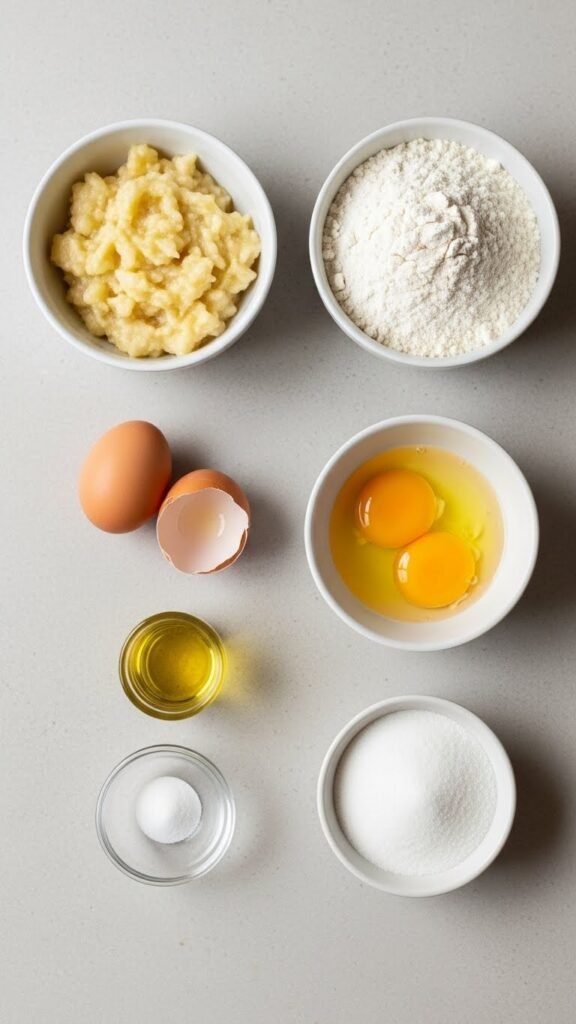
- Mashed ripe bananas for natural moisture
- Oil or melted butter for richness
- Eggs to bind everything together
- A small amount of milk or yogurt for softness
Avoid adding too much flour. Always spoon flour into your measuring cup and level it off instead of scooping directly from the bag.
How to Mix the Batter the Right Way
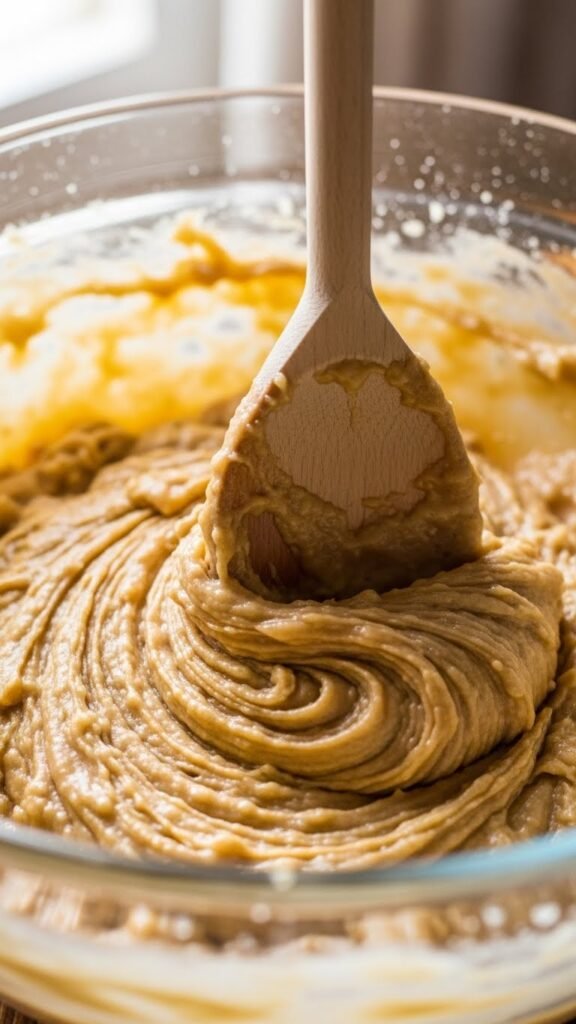
Mixing is where many banana bread recipes go wrong. Overmixing develops too much structure, which leads to a dense loaf.
Follow this simple method:
- Mash the bananas until mostly smooth
- Whisk in sugar, eggs, and oil until just combined
- Sprinkle baking soda and salt over the mixture
- Gently fold in flour
Stop mixing as soon as you no longer see dry flour. A few small lumps are perfectly fine.
Baking for the Perfect Soft Center
Banana bread continues to cook even after it leaves the oven. Baking it too long is one of the fastest ways to lose moisture.
Helpful baking tips:
- Bake at a moderate temperature so it cooks evenly
- Check for doneness early
- A toothpick should come out with a few moist crumbs
If the top starts browning too quickly, loosely cover it with foil for the last part of baking.
Let It Rest Before Slicing
This step is easy to rush, but it matters more than you think.
When banana bread comes out of the oven:
- Let it cool in the pan for about 10 minutes
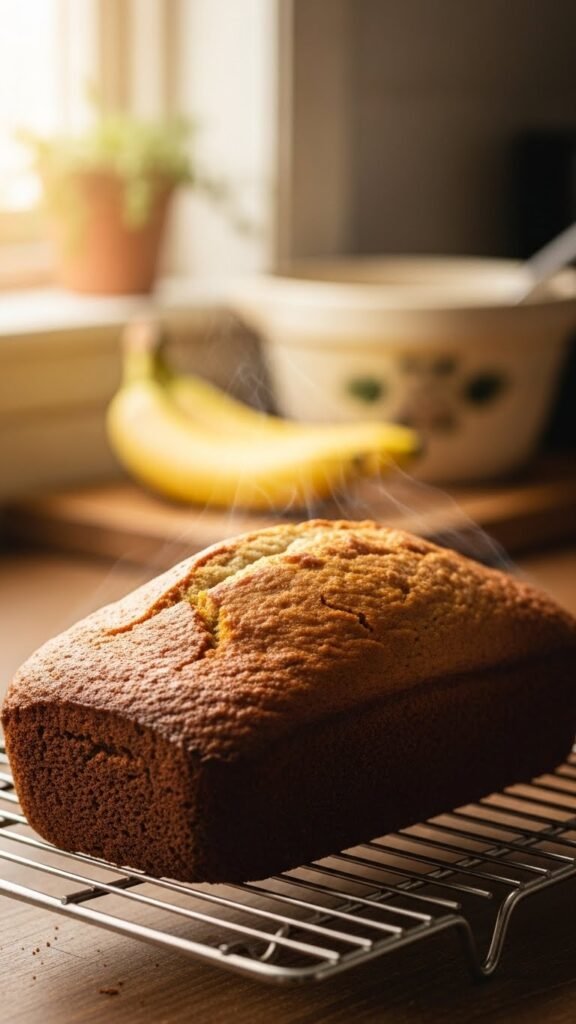
- Transfer to a rack to cool completely
Cutting too early releases steam, which dries out the loaf. Waiting helps the bread set and stay moist inside.
Simple Add-Ins That Won’t Dry It Out
If you want to customize your banana bread, choose mix-ins that don’t steal moisture.
Good options include:
- Chopped nuts
- Dark chocolate chunks
- Blueberries
Fold add-ins in gently at the very end to avoid overmixing.
How to Store Banana Bread and Keep It Soft
Proper storage makes a big difference.
For best results:
- Wrap the loaf tightly once fully cooled
- Store at room temperature for up to two days
- Refrigerate for longer storage
Banana bread often tastes even better the next day as the flavors settle.
Final Takeaway
Moist banana bread isn’t about complicated steps or specialty ingredients. It’s about ripe bananas, gentle mixing, and careful baking. Once you master those basics, you’ll have a reliable recipe you can turn to anytime you spot a few overripe bananas on the counter.
Save this recipe for later, and enjoy baking a loaf that’s soft, comforting, and hard to resist slice after slice.

Leave a Reply