

There’s something magical about a chocolate cake that’s perfectly moist, rich, and soft with every bite. It’s the kind of cake people remember long after the plates are cleared—and the one they always ask you to make again. The good news? You don’t need fancy tools or complicated techniques to get bakery-style results at home.
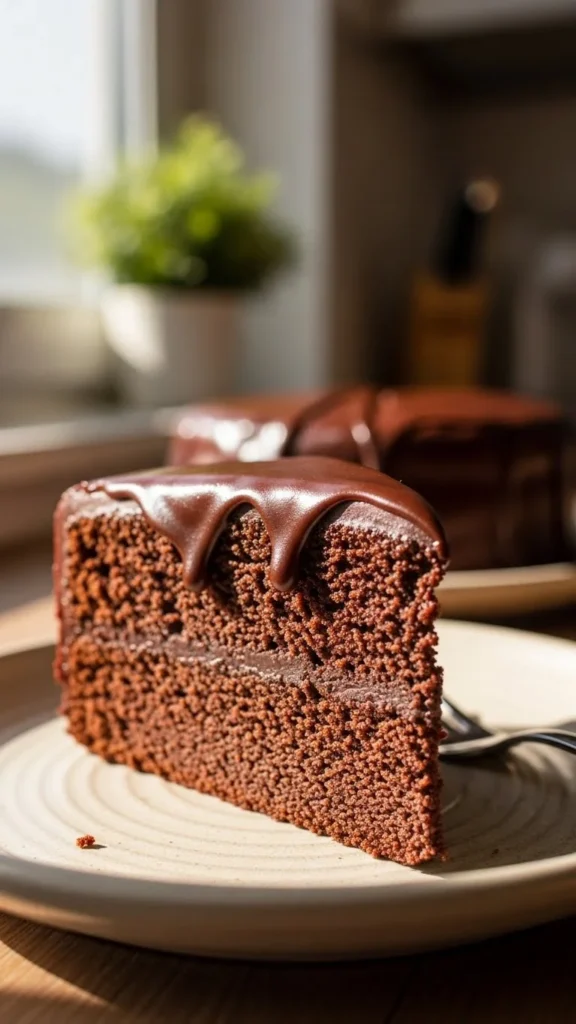
In this guide, I’ll walk you through simple steps, smart tips, and small details that make a big difference. Whether you’re baking for a birthday, a weekend treat, or just because, this chocolate cake will quickly become your go-to favorite.
Start With the Right Ingredients
A moist chocolate cake begins before the oven even turns on. Choosing the right ingredients—and using them correctly—sets the foundation.
Here’s what really matters:
- Unsweetened cocoa powder for deep chocolate flavor
- All-purpose flour for structure without heaviness
- Granulated sugar to keep the crumb soft and tender
- Eggs at room temperature for better mixing
- Milk or buttermilk to add moisture
- Neutral oil instead of only butter for long-lasting softness
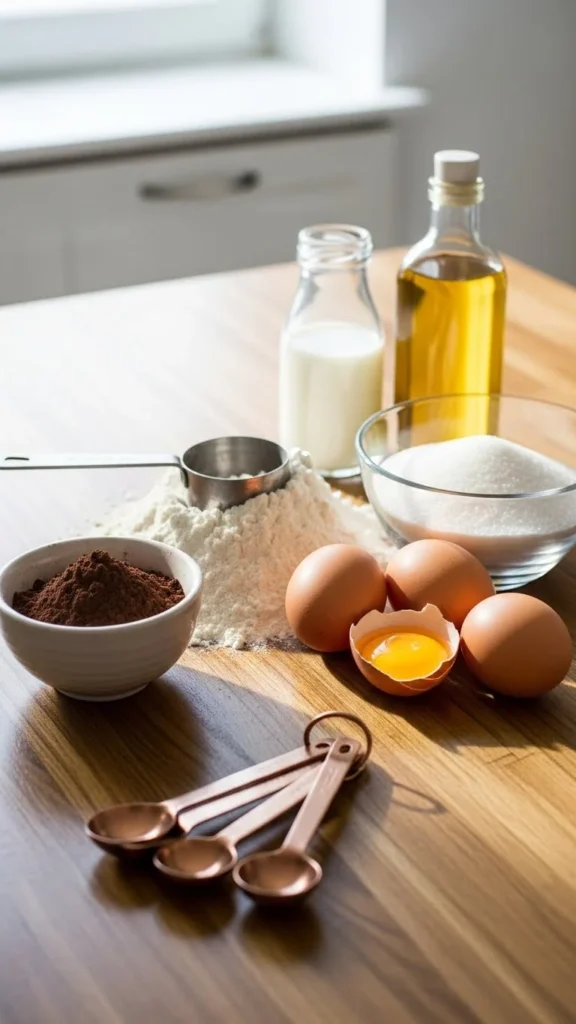
Pro tip: Oil-based cakes stay moist longer than butter-only cakes. You still get richness, but with a softer texture that lasts for days.
Why Moisture Matters (and How to Lock It In)
Moisture isn’t just about liquid—it’s about balance. Too much flour or overmixing can dry out even the best recipe.
To keep your cake soft:
- Measure flour using the spoon-and-level method
- Mix just until ingredients are combined
- Use milk or hot water to bloom the cocoa powder
Blooming cocoa means mixing it with warm liquid first. This simple step intensifies chocolate flavor and helps the cake stay tender.
Mixing the Batter the Right Way
This is where many cakes go wrong. Overmixing activates gluten, which can make cakes dense or dry.
Follow this order for best results:
- Whisk dry ingredients together in one bowl
- Mix wet ingredients in a separate bowl
- Slowly combine wet into dry
- Stir gently until smooth—no more
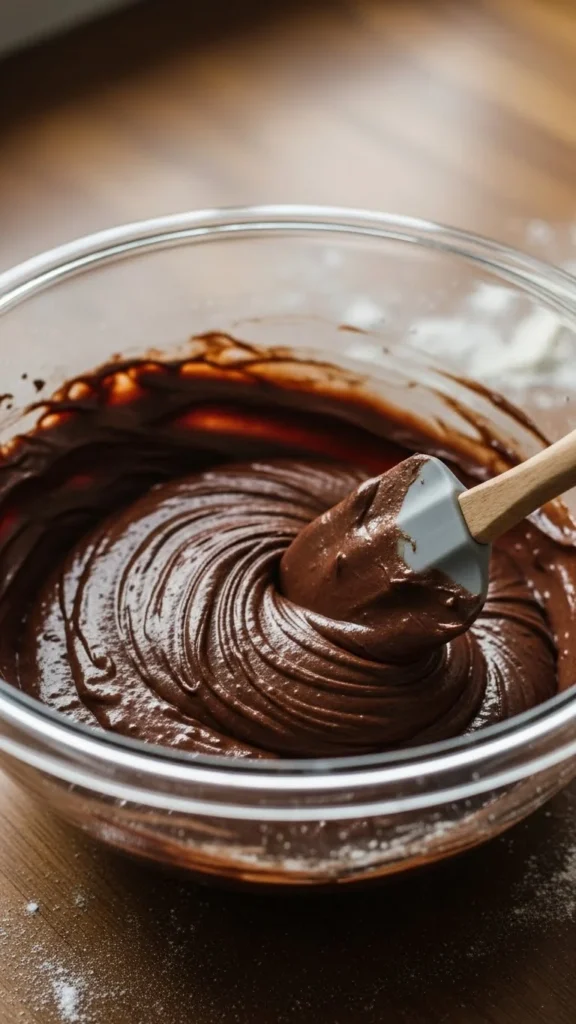
The batter should look pourable and glossy, not thick or stiff. That’s your sign you’re on the right track.
Baking Tips for a Soft, Tender Crumb
Even a perfect batter can dry out in the oven if baked too long or at the wrong temperature.
Keep these tips in mind:
- Preheat the oven fully before baking
- Bake at 350°F (175°C) for even cooking
- Place cake pans on the center rack
- Check doneness early using a toothpick
The cake is ready when a toothpick comes out with a few moist crumbs, not completely clean. Overbaking is the fastest way to lose moisture.
Cooling and Frosting Without Drying Out
Cooling is just as important as baking. Rushing this step can trap steam or cause cracks.
Here’s the best method:
- Cool cakes in pans for 10 minutes
- Turn out onto a wire rack
- Let cool completely before frosting
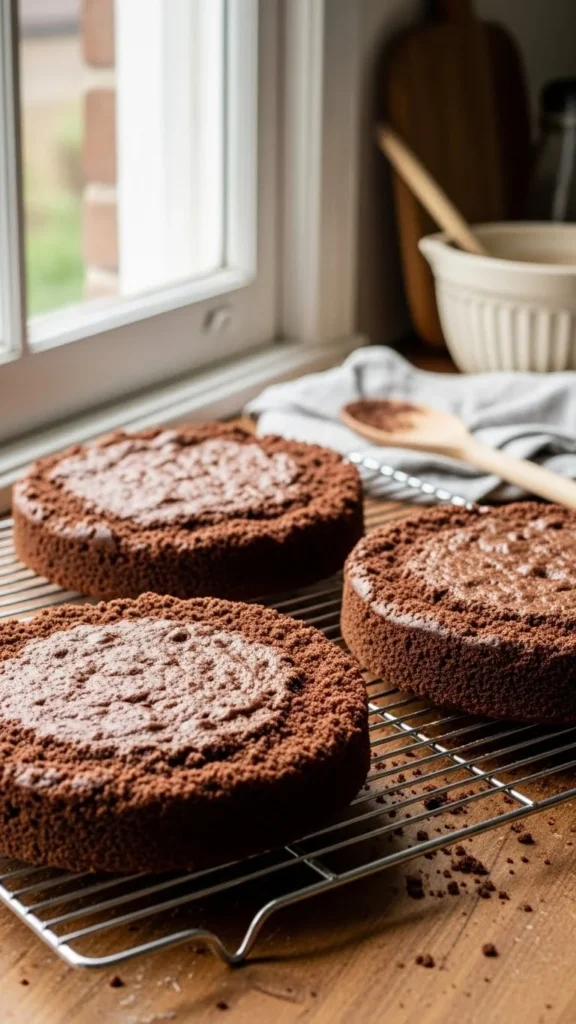
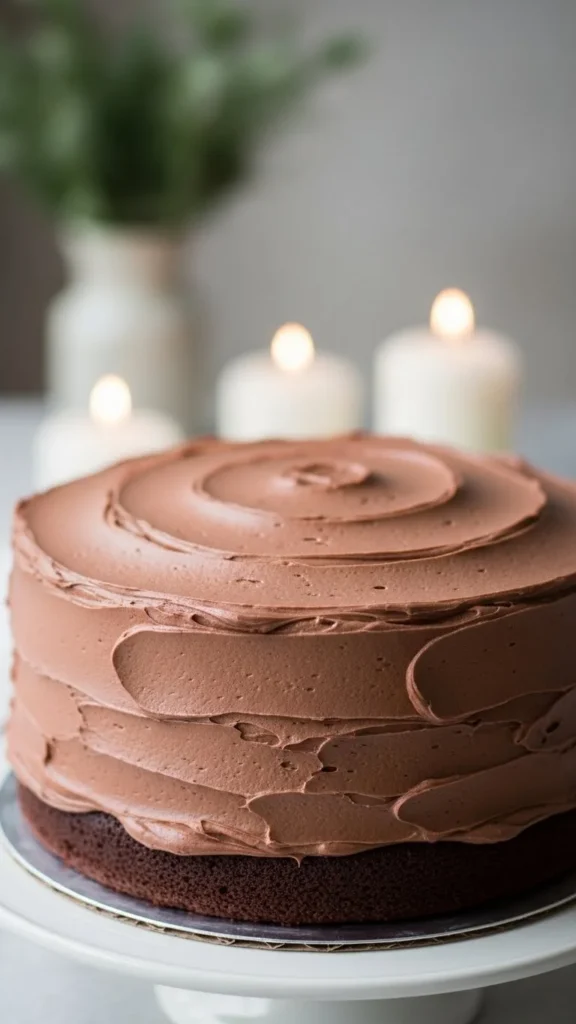
For frosting, choose something creamy and smooth—like chocolate buttercream or whipped chocolate frosting. Spread gently to avoid tearing the cake.
Simple Tricks to Keep Chocolate Cake Moist for Days
Want that just-baked texture even tomorrow? These tricks help:
- Brush cake layers lightly with milk before frosting
- Store covered at room temperature for short storage
- Refrigerate only if necessary, and bring to room temp before serving
If you’re baking ahead, wrap unfrosted layers tightly in plastic wrap and freeze. They’ll thaw beautifully and stay incredibly soft.
Make It Your Signature Cake
Once you master the base, you can customize without losing moisture:
- Add chocolate chips for extra richness
- Use espresso powder (just a pinch) to deepen flavor
- Layer with cream filling or fresh fruit
This is the kind of recipe that adapts to your style and still delivers every time.
Final Takeaway
A truly moist chocolate cake isn’t about complicated steps—it’s about smart choices and gentle handling. With the right ingredients, careful mixing, and simple baking tips, you can create a cake everyone loves and remembers.
Save this recipe for later, pin it for your next baking day, and enjoy every rich, chocolatey slice.

Leave a Reply