

There’s something magical about a perfectly smooth cream dessert. Whether it’s silky mousse, velvety custard, or a rich no-bake cheesecake, that melt-in-your-mouth texture is what turns a simple sweet into a bakery-quality masterpiece. Yet many home cooks struggle with grainy textures, lumps, or creams that split at the worst moment.
The good news? Smooth cream desserts aren’t about fancy equipment — they’re about understanding a few simple techniques. Once you learn how cream behaves and how to handle it gently, your desserts will look and taste irresistibly professional.
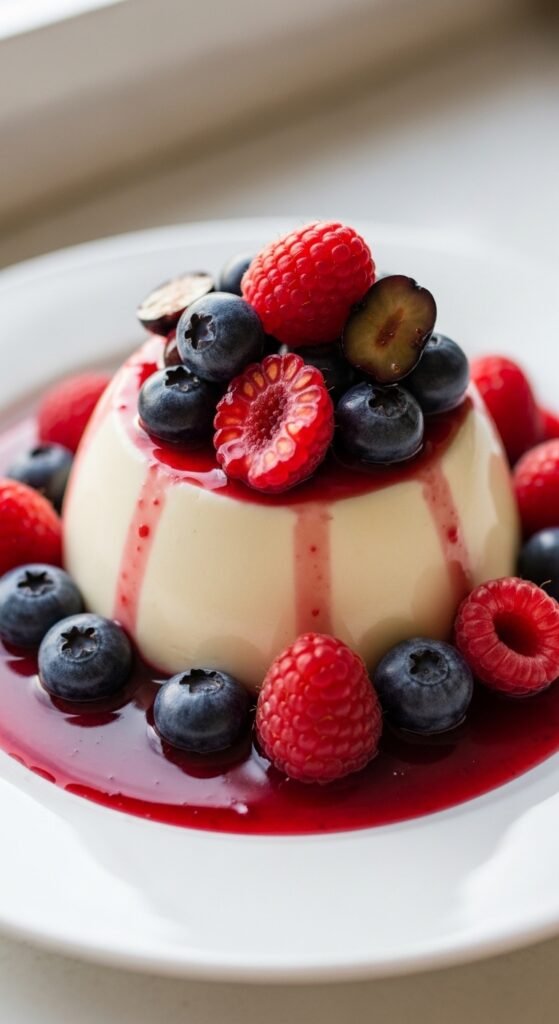
Let’s break down the secrets step by step so every spoonful comes out perfectly creamy.
Choose the Right Cream and Ingredients
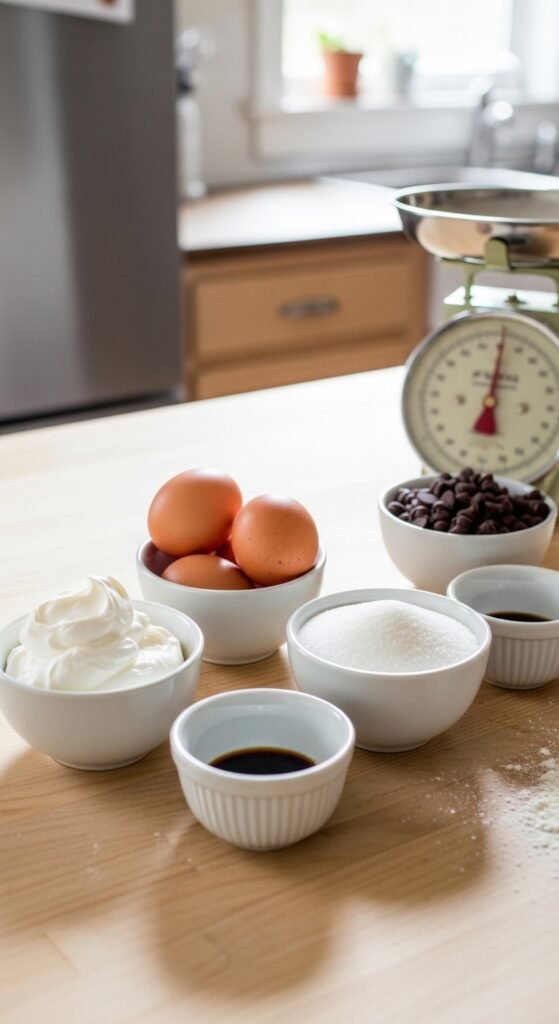
The foundation of any smooth dessert starts before cooking even begins. Not all creams behave the same way, and choosing correctly makes a huge difference.
What works best:
- Heavy cream (35–40% fat): Ideal for mousse, ganache, and whipped desserts.
- Fresh dairy products: Old cream separates easily.
- Fine sugar or powdered sugar: Dissolves faster than coarse granules.
- Room-temperature ingredients: Prevents curdling or uneven mixing.
High fat equals stability. The richer the cream, the smoother the final texture.
Pro tip:
If your recipe includes eggs or chocolate, make sure they’re not cold. Temperature differences are one of the biggest causes of lumps.
Master Temperature Control
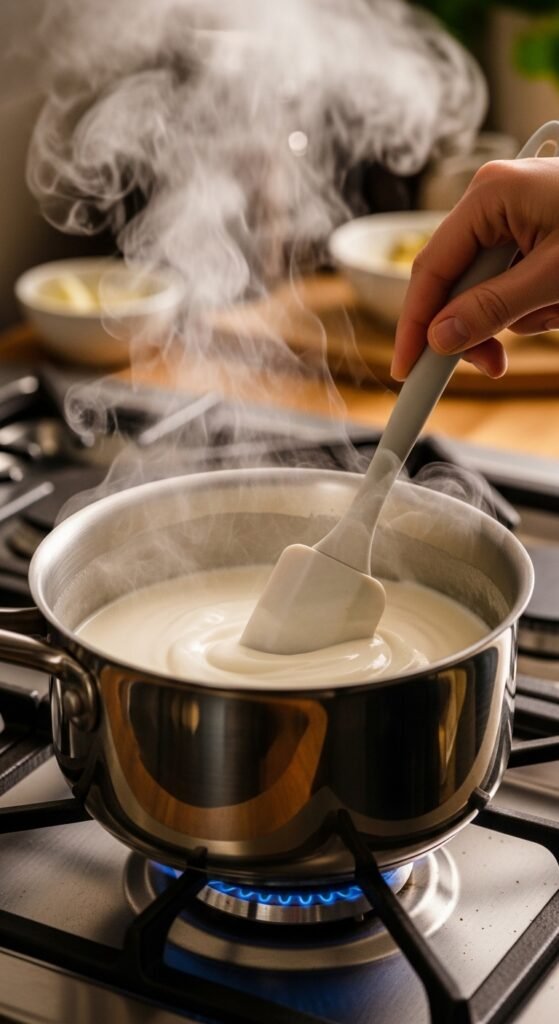
Cream is delicate. Too much heat causes separation; too little heat prevents proper thickening. Smooth desserts depend on gentle temperature management.
Follow these simple rules:
- Heat cream on low to medium heat only.
- Stir constantly when warming.
- Never let cream boil aggressively.
- Use a double boiler for custards or chocolate-based desserts.
When making custard or pudding, gradual heating allows proteins to thicken evenly without scrambling.
The “warm, not hot” rule
If you dip a finger (carefully!) into warmed cream, it should feel hot but not burning. That’s usually the sweet spot.
Whisking and Mixing the Right Way
Many people assume faster mixing equals smoother results — but overmixing can actually ruin cream desserts.
For best results:
- Whisk gently instead of aggressively.
- Use a silicone spatula to fold mixtures.
- Mix in circular motions from the bottom upward.
- Stop once ingredients are just combined.
When folding whipped cream into another mixture, think of it as preserving air rather than stirring ingredients together.
Avoid these mistakes:
- Beating whipped cream too long (turns grainy).
- Using high-speed mixers unnecessarily.
- Stirring melted chocolate into cold cream too quickly.
Slow and steady mixing creates that luxurious texture you’re aiming for.
Strain for Professional Smoothness
Here’s a secret many bakeries use: straining.
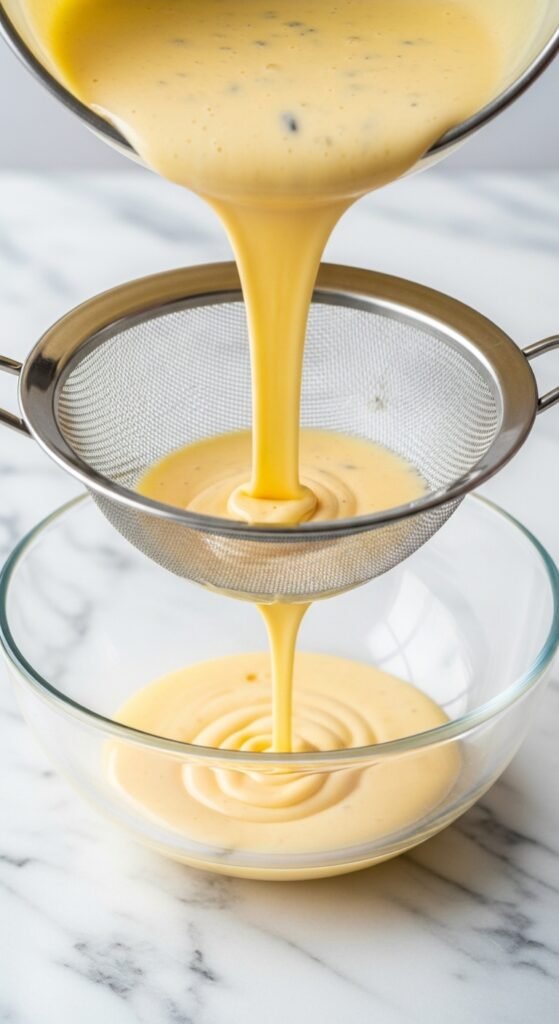
Even experienced chefs strain custards, cheesecakes, and creams before chilling. It removes tiny lumps, cooked egg bits, or unmixed particles you might not even notice.
How to do it:
- Pour mixture through a fine mesh sieve.
- Use a spatula to gently push liquid through.
- Discard any solids left behind.
This one small step instantly upgrades your dessert texture from homemade to restaurant-quality.
Chill Properly for a Silky Finish
Cooling is just as important as cooking. Improper chilling can cause condensation, uneven texture, or separation.
Best chilling practices:
- Cover desserts with plastic wrap touching the surface to prevent skin formation.
- Chill gradually — avoid placing hot desserts straight into very cold freezers.
- Allow enough resting time (usually 4–6 hours).
Cream desserts continue setting as they cool, which helps create that smooth, spoonable consistency.
Bonus tip:
For mousse or panna cotta, refrigerate overnight if possible. The flavor deepens and texture becomes even silkier.
Fixing Common Texture Problems
Even if something goes wrong, you can often save your dessert.
Grainy cream?
- Blend briefly with an immersion blender.
- Add a tablespoon of warm cream and stir gently.
Split ganache?
- Add warm milk one teaspoon at a time while stirring.
Lumpy custard?
- Strain immediately while warm.
Remember: most texture problems come from heat or rushing steps.
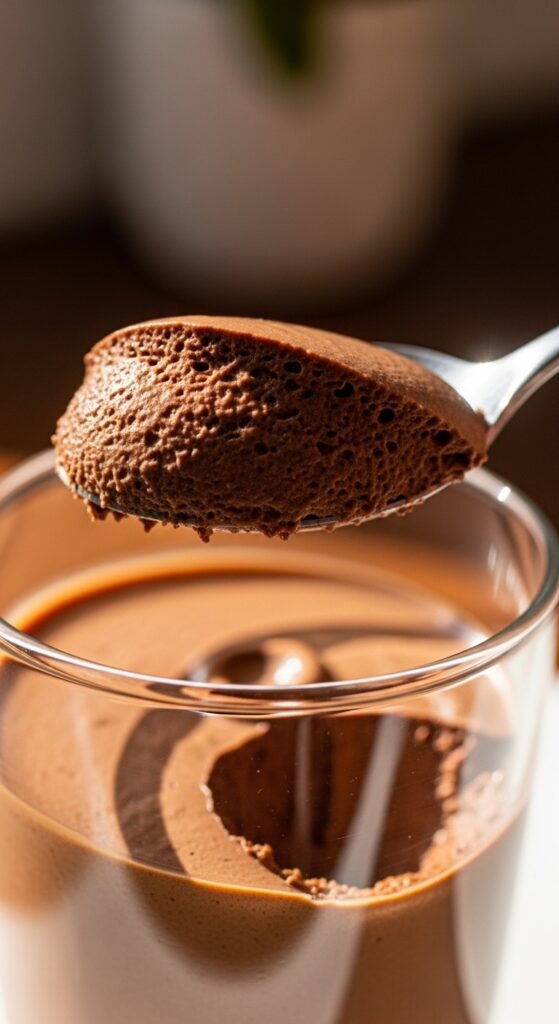
Final Touches That Make Desserts Feel Luxurious
Once your base is smooth, presentation enhances the experience.
Try adding:
- Fresh berries
- Chocolate shavings
- Light caramel drizzle
- Soft whipped cream peaks
Keep toppings simple so the creamy texture remains the star.
Small details — chilled serving dishes, clean edges, and glossy finishes — make homemade desserts look bakery-perfect.
The Sweet Takeaway
Smooth cream-based desserts aren’t about complicated recipes — they’re about patience, gentle handling, and smart techniques. Control temperature, mix carefully, strain when needed, and give your dessert time to chill properly.
Once you master these basics, you’ll notice a huge difference in every mousse, custard, cheesecake, or cream filling you make.
Save this guide for later and try it the next time you’re craving a silky, dreamy dessert — your spoon will thank you!

Leave a Reply