

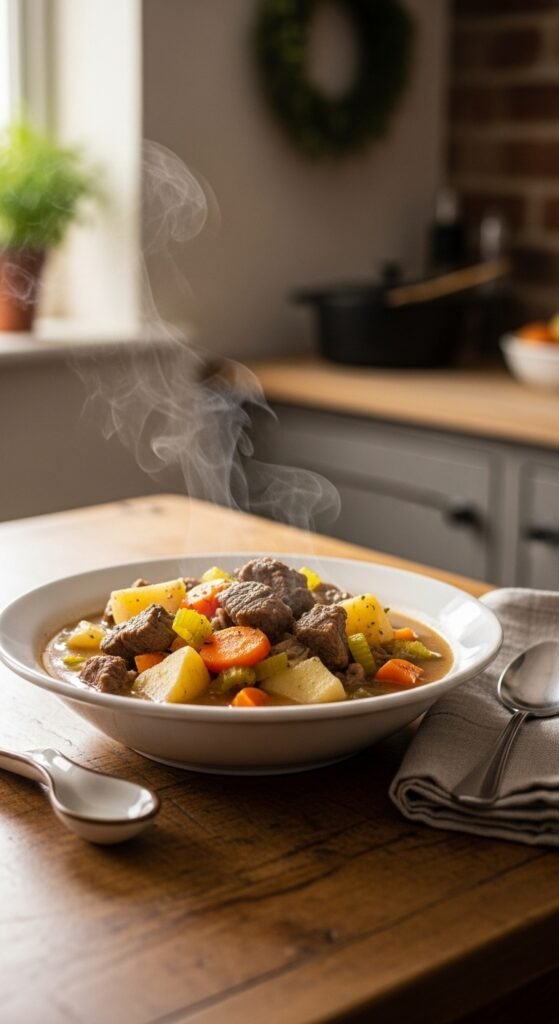
Irish stew is the kind of meal people come back to when they want comfort without complication. It is filling, simple, and rooted in everyday cooking. This guide brings together 24 cozy Irish stew recipes that rely on basic ingredients, steady heat, and patience rather than fancy tools. Each idea focuses on affordable choices, flexible swaps, and home-friendly methods that work in real kitchens.
Classic Irish Lamb Stew
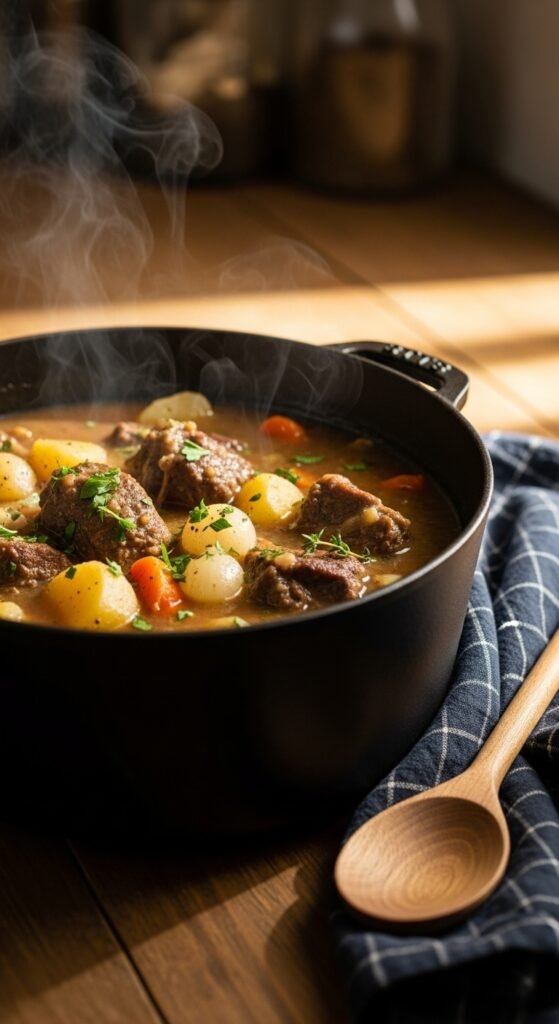
This version sticks close to tradition. Lamb, potatoes, onions, and herbs cook slowly until the broth thickens naturally. Use bone-in lamb pieces when possible. They cost less and add depth to the pot. If lamb prices run high, mix smaller portions with extra potatoes. Cut vegetables into large chunks so they hold their shape. Keep seasoning simple. Salt, pepper, thyme, and bay leaf go a long way. Simmer gently rather than boiling. That keeps the meat tender. Leftovers store well and taste even better the next day. Serve with basic bread to stretch the meal further.
Hearty Beef and Potato Stew
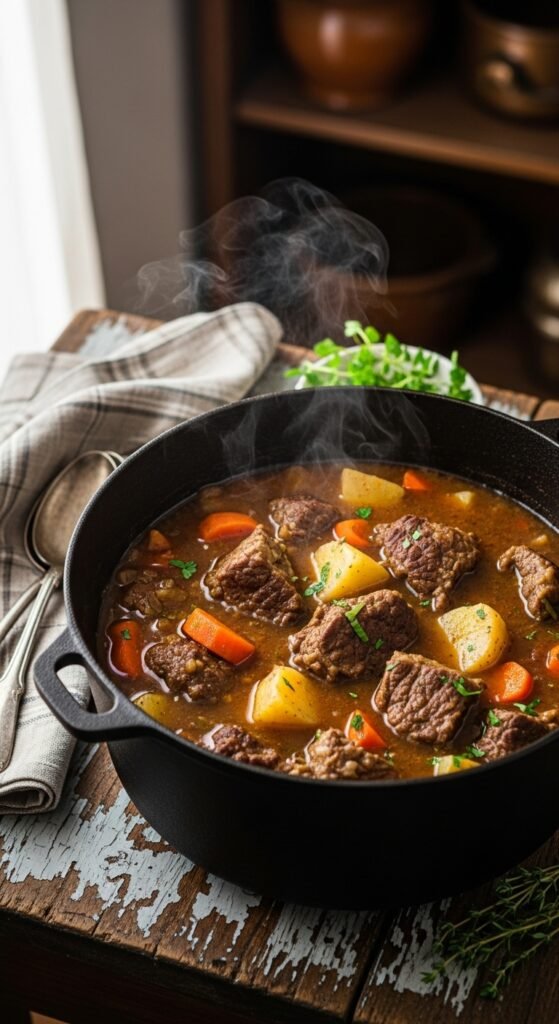
Beef works well when lamb is hard to find. Choose chuck or stew meat, which softens with time. Brown the beef lightly for color, then add onions and potatoes. Carrots add sweetness without extra cost. Keep the broth thick by letting starch release from the potatoes. Avoid rushing the cook. Low heat matters. This stew is great for batch cooking. Freeze portions for busy days. Reheat slowly with a splash of water.
Creamy Irish-Style Potato Stew
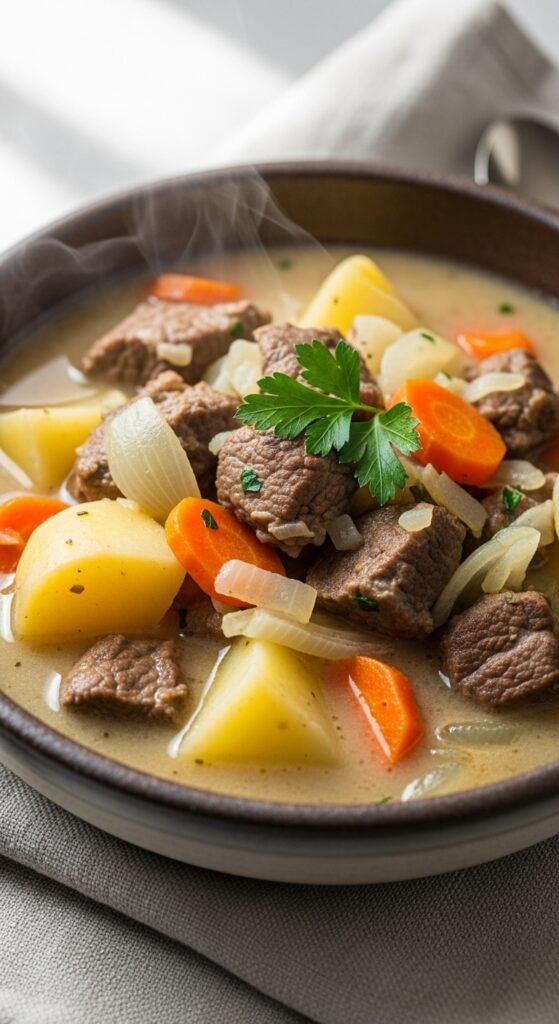
This recipe leans on potatoes for body. Mash a few pieces into the broth to create creaminess without dairy overload. Use budget-friendly potatoes like russets. Onions soften into the base, while herbs add warmth. Stir gently near the end. This stew pairs well with simple greens on the side. It is filling even in small bowls.
Simple Vegetable Irish Stew
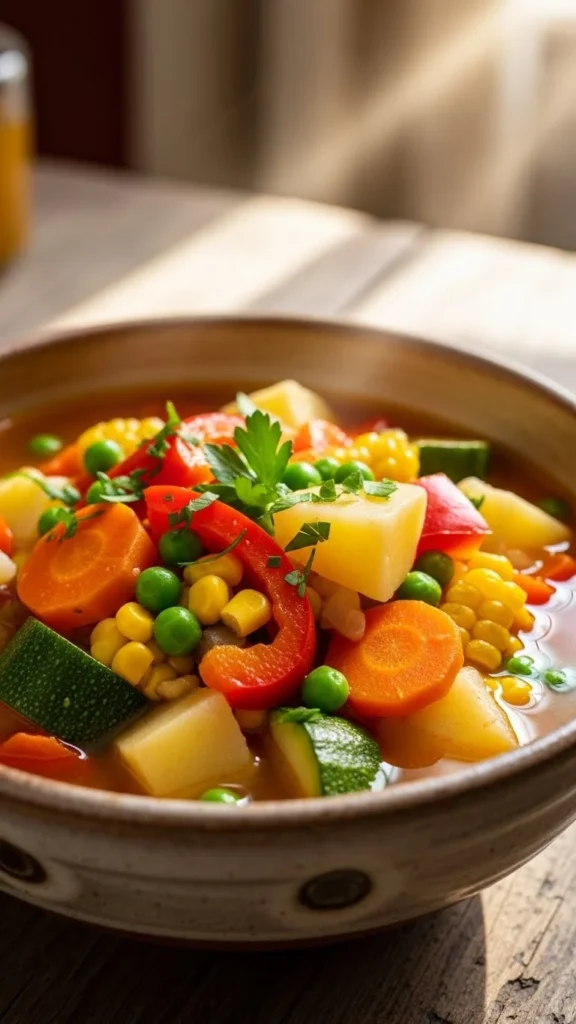
Perfect for lighter meals or tight budgets. Potatoes, onions, carrots, and parsnips carry the dish. Use vegetable stock or water with herbs. Cut vegetables evenly so they cook at the same pace. A spoon of butter at the end adds richness. This stew proves that simple ingredients can still feel comforting.
Slow-Simmered Farmhouse Stew
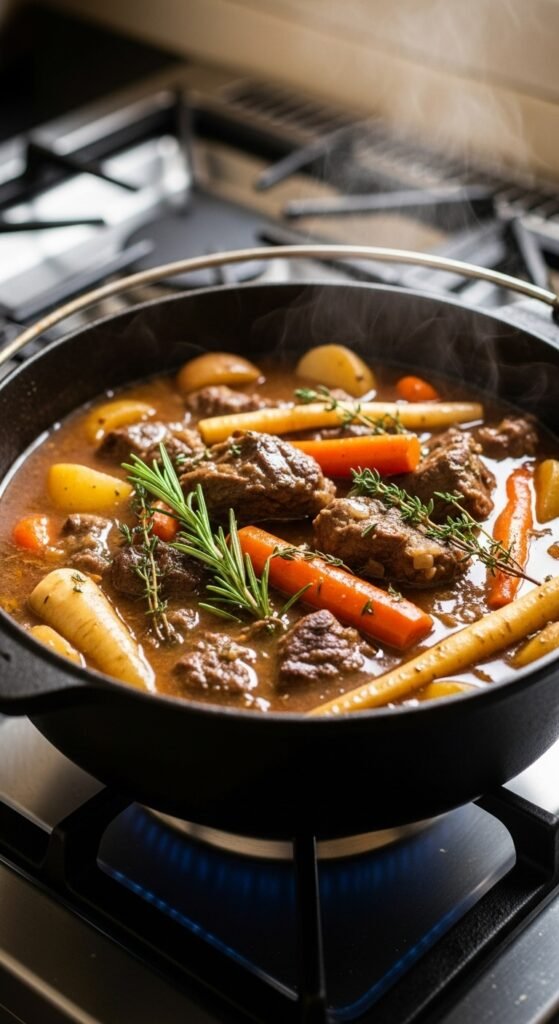
This stew cooks low and slow for hours. Use tougher cuts that soften with time. Add vegetables in stages so nothing turns mushy. Keep the lid slightly cracked to let the broth reduce. The result is thick and satisfying. It works well for weekends when the stove can stay on low.
Traditional Turnip and Potato Stew
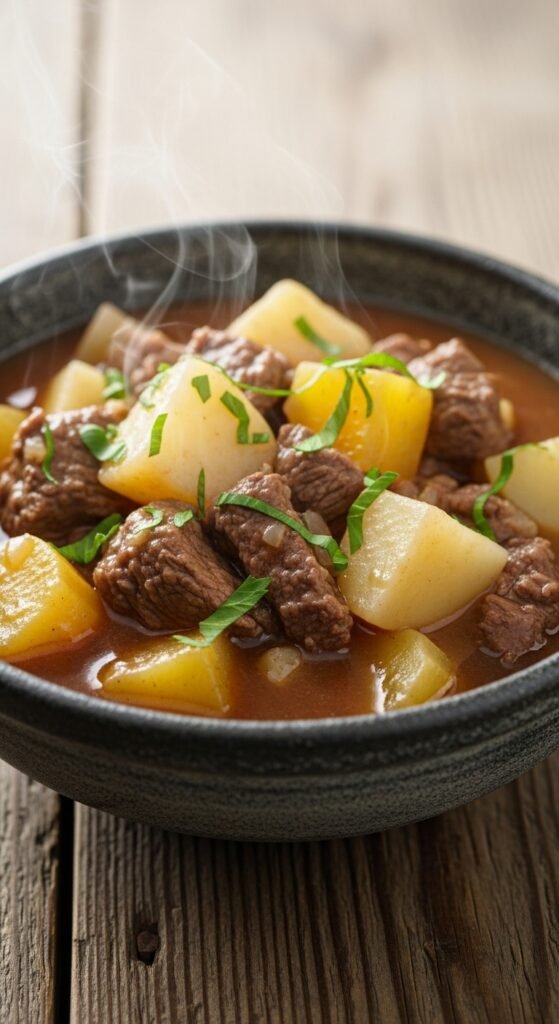
Turnips bring a mild bite that balances the potatoes. Peel and dice them small so they soften fully. Use less meat and more vegetables to control cost. Season carefully. Turnips absorb flavor well. This stew feels old-fashioned in the best way.
One-Pot Irish Kitchen Stew
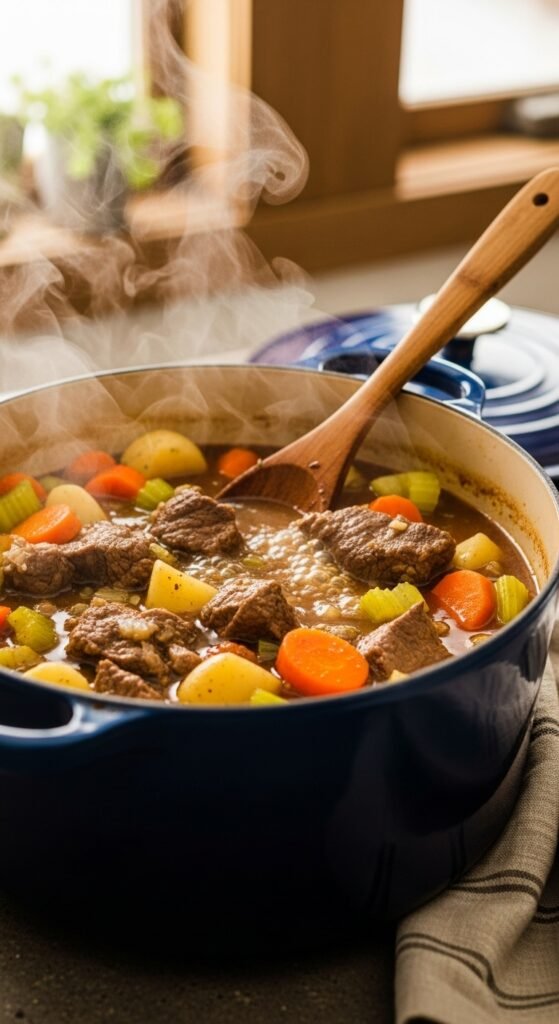
Everything cooks in a single pot. Brown meat first, then build layers with vegetables and liquid. This reduces cleanup and saves time. Use whatever vegetables you already have. Potatoes remain the anchor. This approach suits weeknights without stress.
Budget-Friendly Potato-Heavy Stew
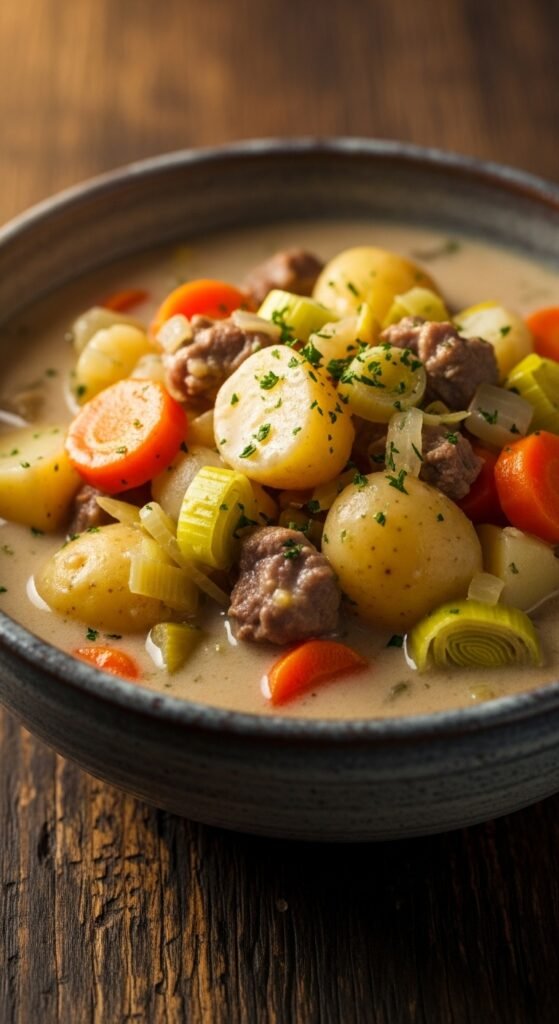
Potatoes take center stage here. Use a small amount of meat for flavor rather than volume. Mash some potatoes into the broth to thicken. This keeps costs down while still feeling hearty. Season generously and serve hot.
Lamb and Carrot Comfort Stew
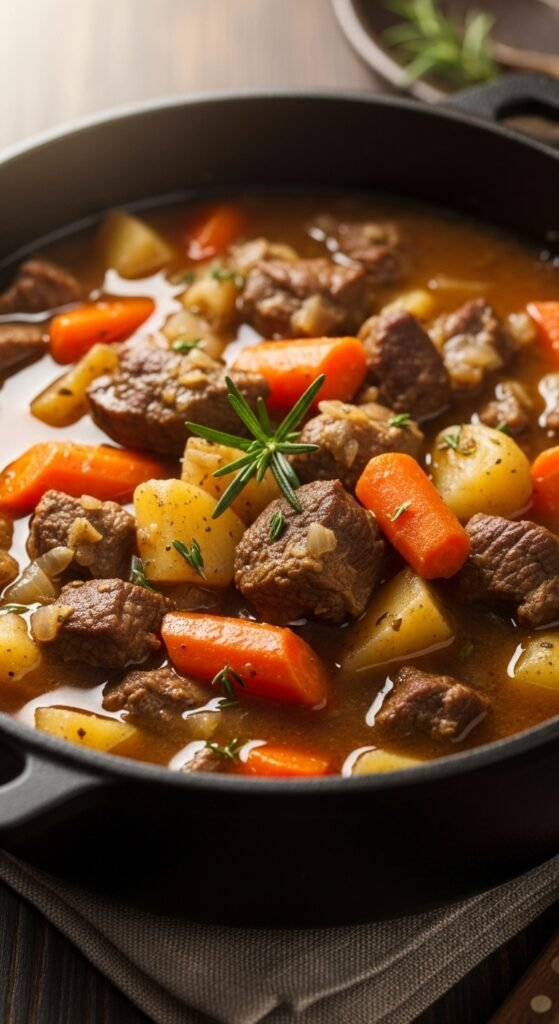
Carrots balance lamb with subtle sweetness. Slice them thick so they hold shape. Add them halfway through cooking. This stew stores well and reheats smoothly. Pair with simple bread to complete the meal.
Stove-Top Weeknight Stew
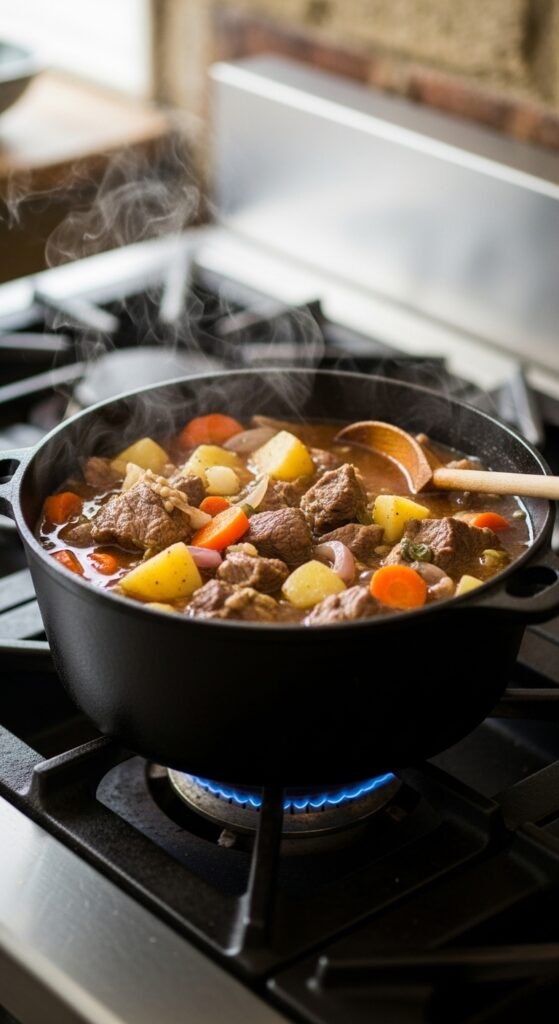
Designed for shorter cook times. Use smaller meat pieces and diced vegetables. Simmer for about an hour. Keep heat steady. This stew fits into busy schedules while still feeling homemade.
Herb-Forward Country Stew
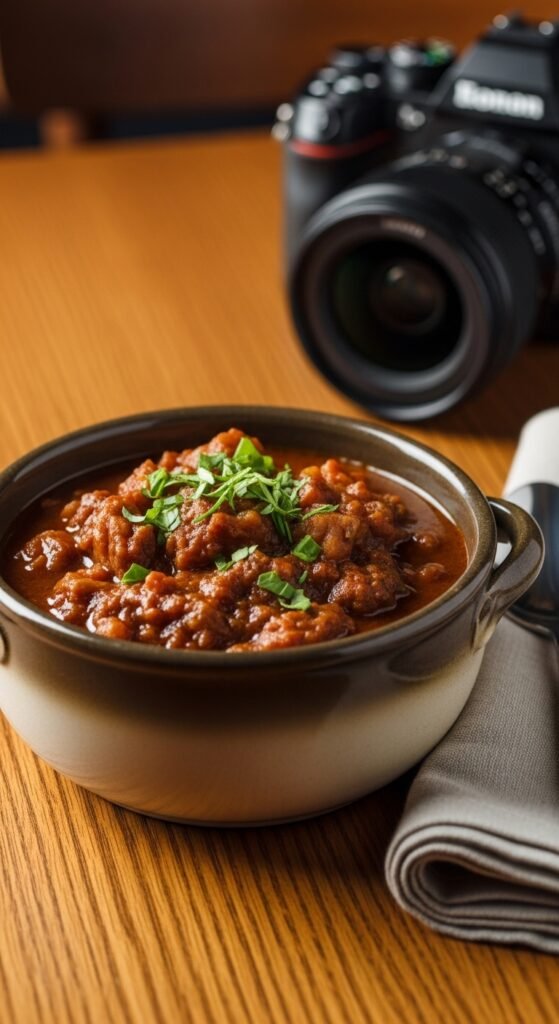
Herbs lead the flavor here. Thyme and parsley add warmth without cost. Use dried herbs if fresh ones are pricey. Add herbs early for depth and again at the end for aroma.
Thickened Irish Stew with Mashed Potatoes
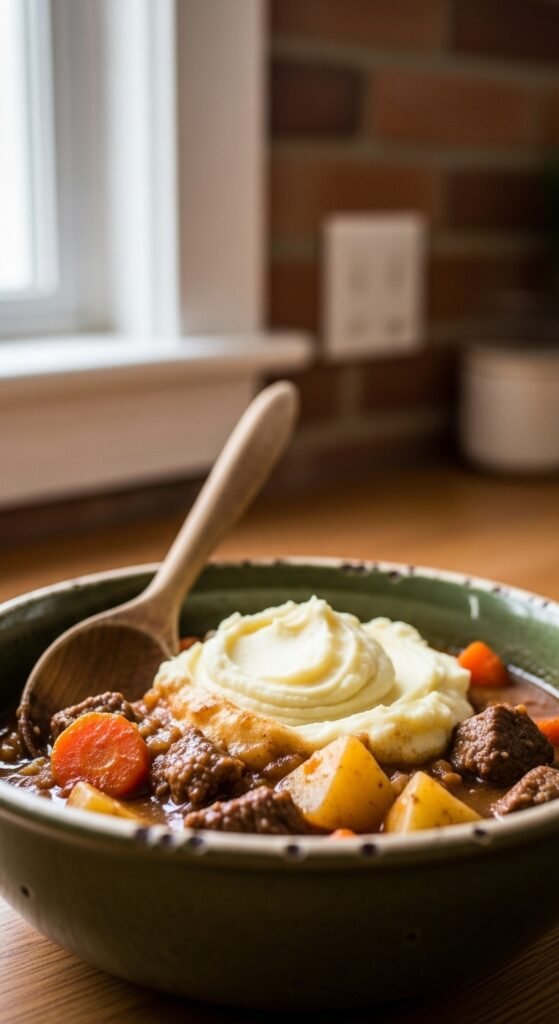
Mash some potatoes separately and stir them in near the end. This creates a smooth, hearty texture. It also helps stretch smaller portions of meat.
Lamb and Onion Classic Stew
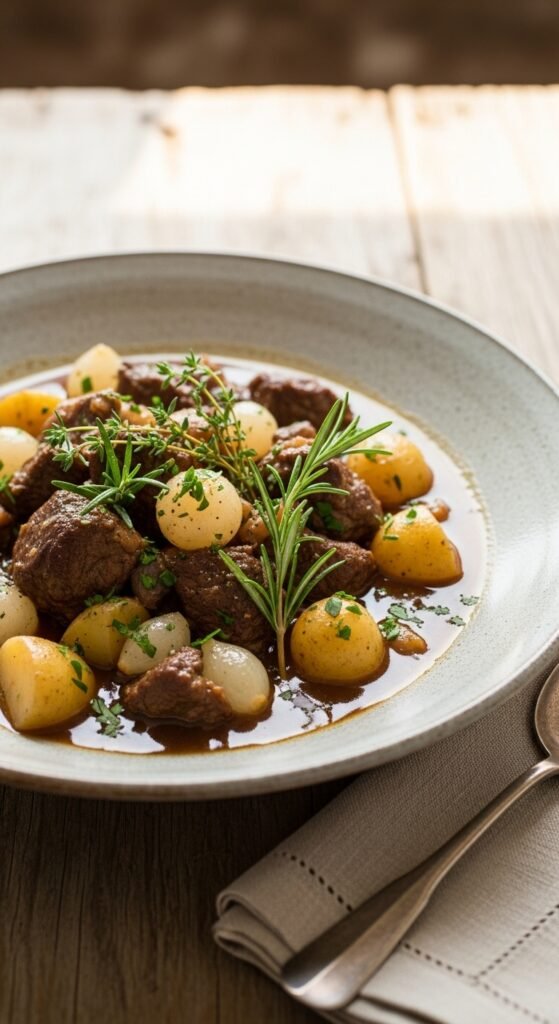
Onions melt into the broth during long cooking. Slice them thick. Use patience. The flavor develops slowly. This stew tastes even better after resting overnight.
Cabbage and Potato Irish Stew
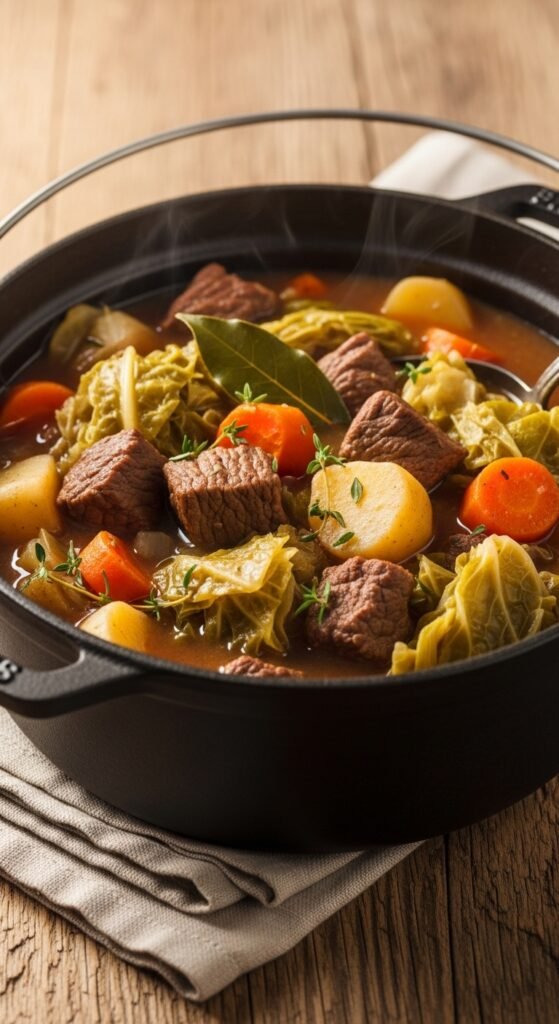
Cabbage adds bulk and nutrition at low cost. Add it late so it stays tender. This stew works well with minimal seasoning and basic pantry items.
Minimal Ingredient Stew
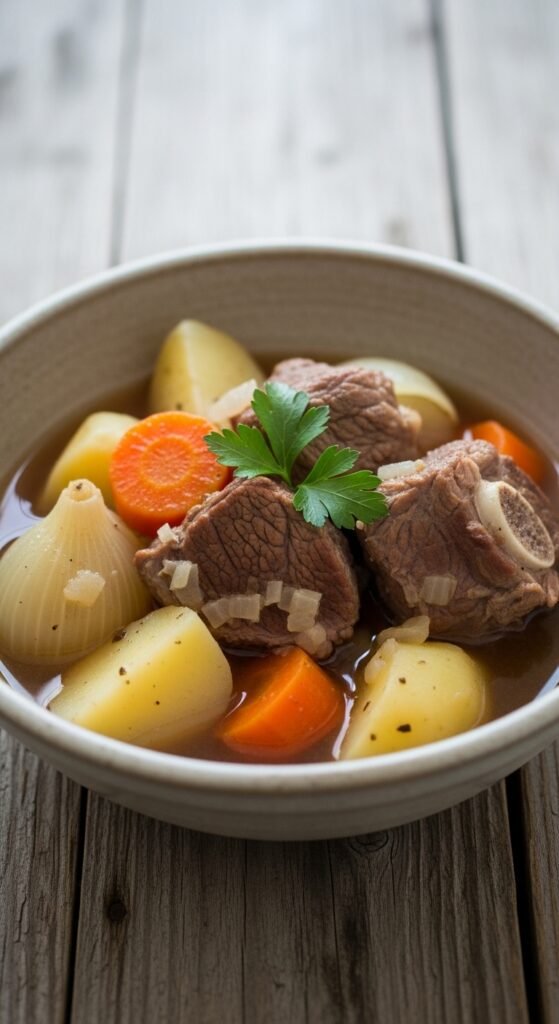
Only five or six ingredients are used here. Potatoes, onions, meat, salt, pepper, and herbs. Focus on cooking time rather than complexity. This approach suits beginners.
Rustic Thick Broth Stew
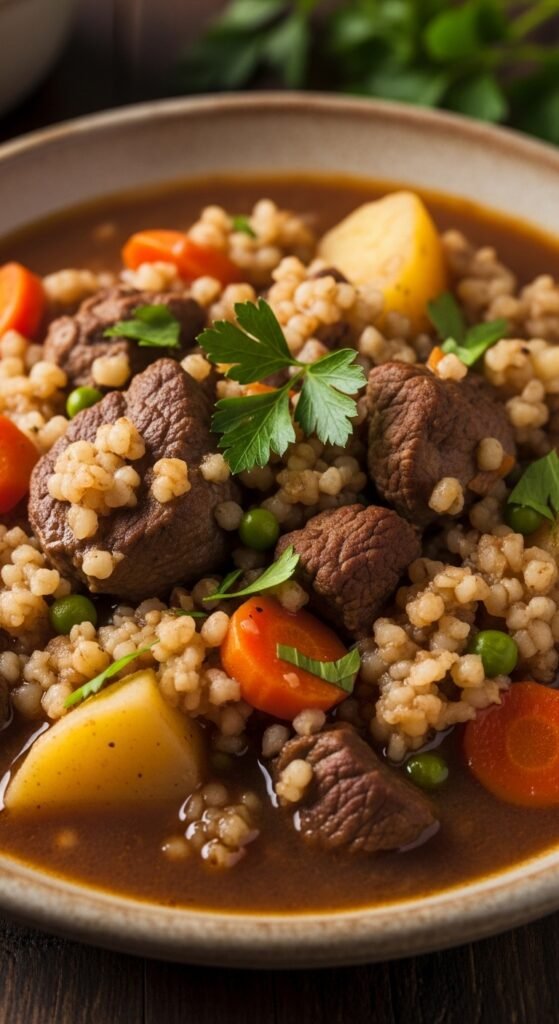
Let the stew simmer uncovered for part of the time. The broth thickens naturally. Stir occasionally. This creates a spoon-coating texture without added thickeners.
Family-Style Irish Stew
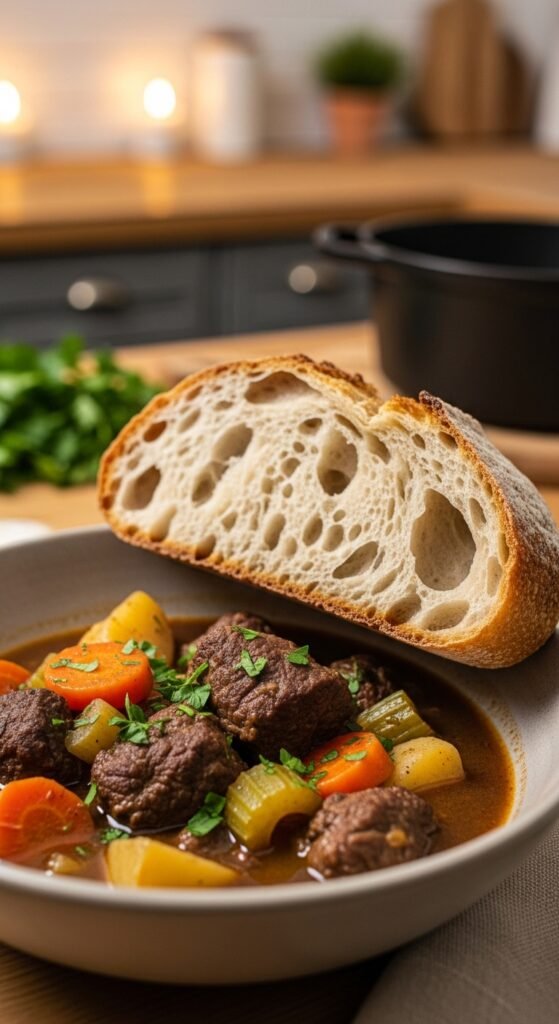
Made for sharing. Cook a large batch and keep seasoning mild. Let everyone add salt at the table. This stew works well for gatherings and reheats smoothly.
Bay Leaf Comfort Stew
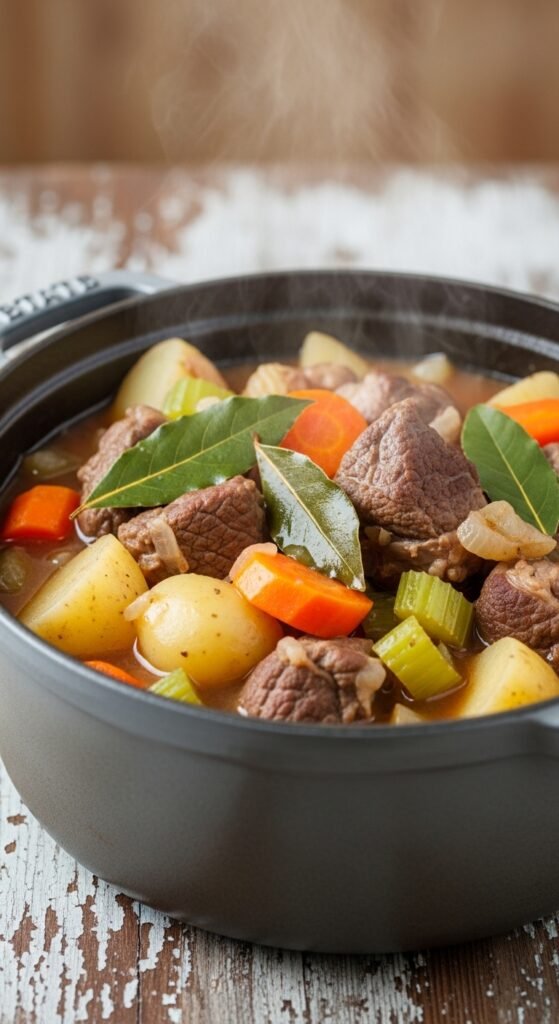
Bay leaf adds subtle depth. Remove it before serving. Keep other seasonings simple. This stew tastes balanced and familiar.
Soft-Cooked Cottage Stew
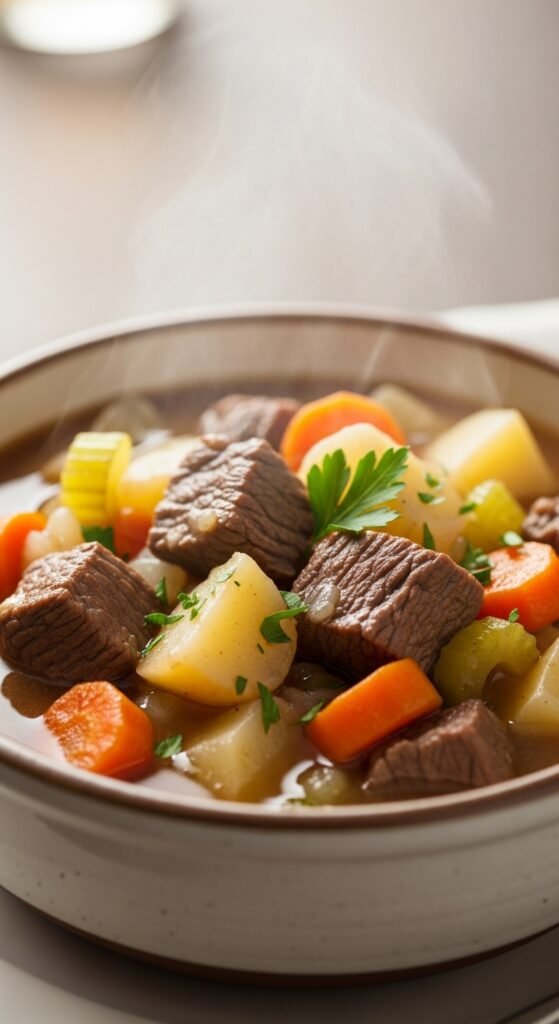
Cook until vegetables are very tender. This stew suits those who like softer textures. Stir gently to avoid breaking everything apart.
Next-Day Better Stew
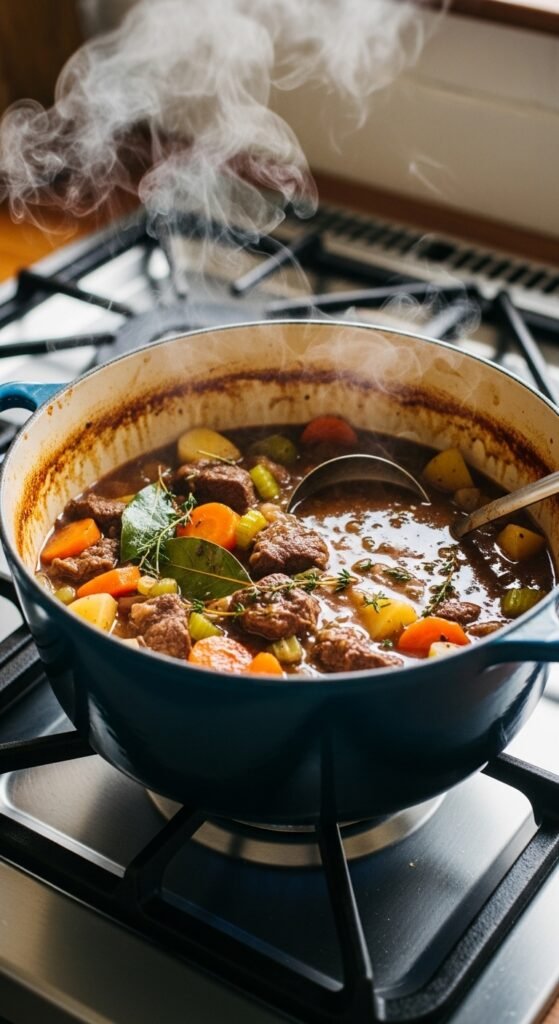
Cook this stew a day ahead. Cool fully, then reheat slowly. Flavors deepen overnight. This method works well for meal prep.
Chunky Potato Irish Stew
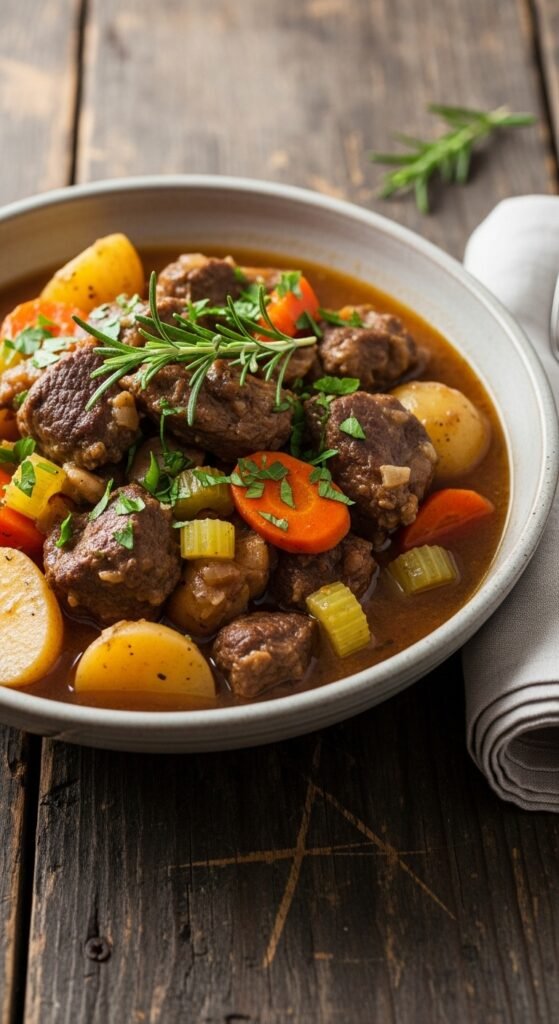
Keep potato pieces large. They stay intact and satisfying. This texture makes the stew feel hearty without extra ingredients.
No-Frills Irish Stew
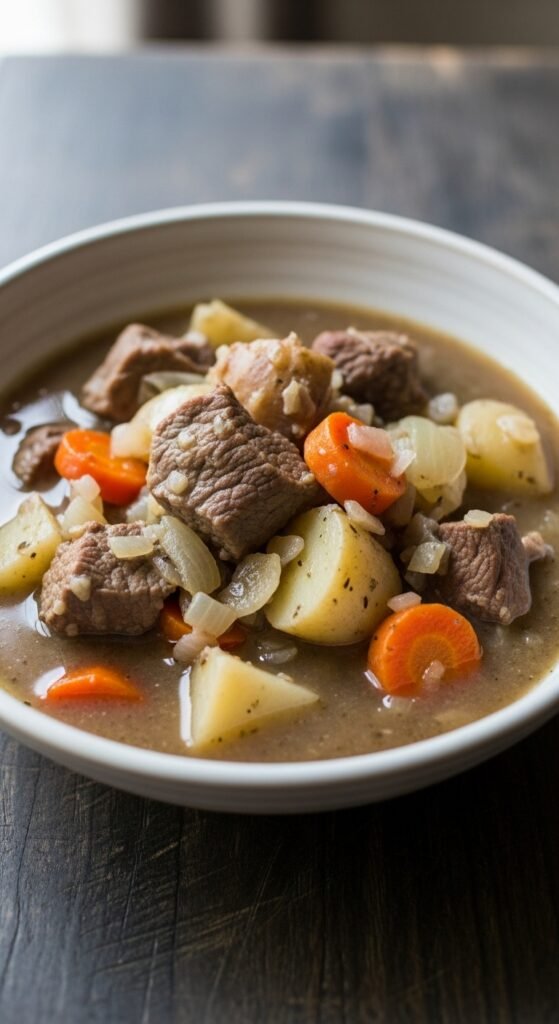
This recipe skips extras. Focus on timing and heat control. Simple steps create a reliable result every time.
Freezer-Friendly Stew
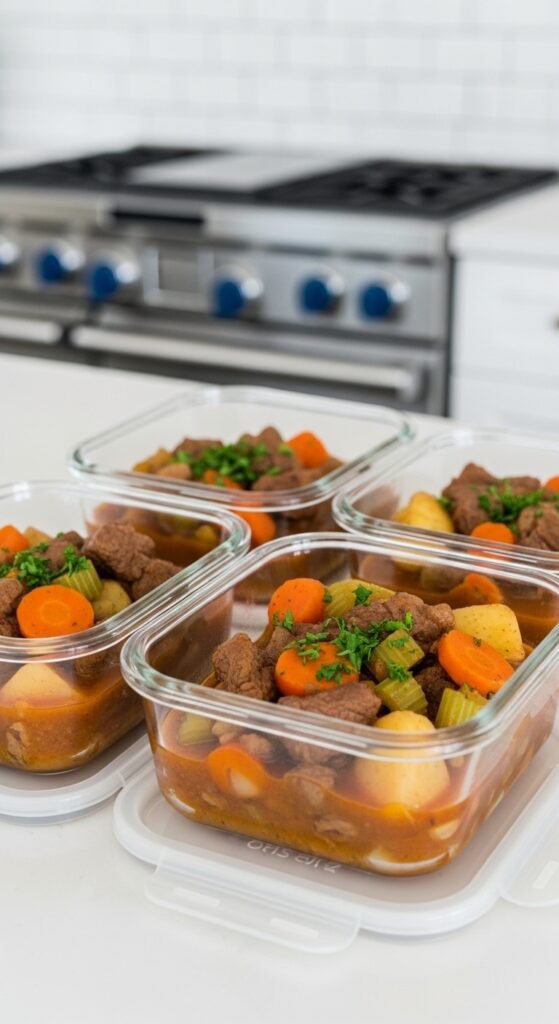
Cook a large pot and freeze portions. Avoid over-salting before freezing. Reheat slowly with water if needed. This saves time later.
Everyday Irish Home Stew
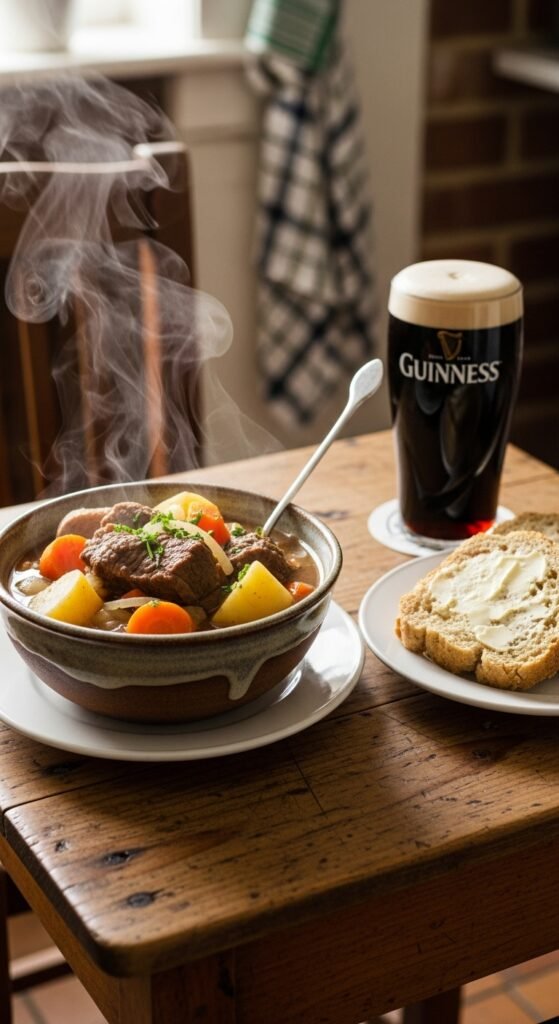
This stew mirrors what many families cook weekly. Flexible ingredients. Steady heat. Simple steps. It adapts to what is on hand.
Conclusion
These 24 cozy Irish stew recipes show how comfort food can stay simple, affordable, and practical. Each idea relies on steady cooking, basic ingredients, and small adjustments that fit real kitchens. Choose one that matches your schedule, your budget, and your pantry. Save your favorites, cook in batches, and let slow heat do the work.

Leave a Reply