

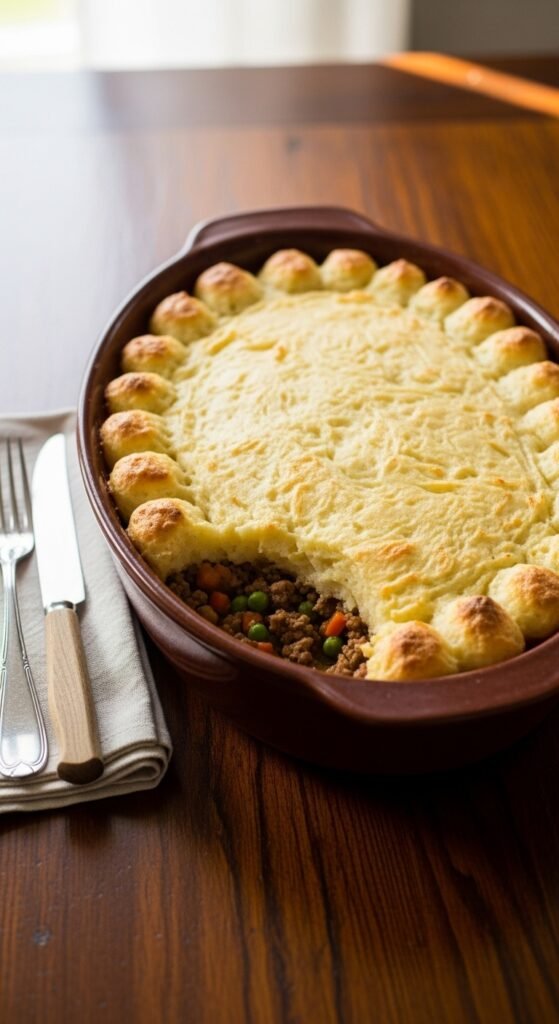
Shepherd’s pie has stayed popular for a reason. It is filling, affordable, and built from ingredients many home cooks already keep around. People searching for classic shepherd’s pie recipes usually want comfort, familiar flavors, and simple steps that work on busy days. This list focuses on reliable versions you can cook at home without fancy tools or hard-to-find items. Each recipe idea leans on practical tips, budget awareness, and small tweaks that help the dish fit real kitchens and real schedules.
Traditional Lamb Shepherd’s Pie
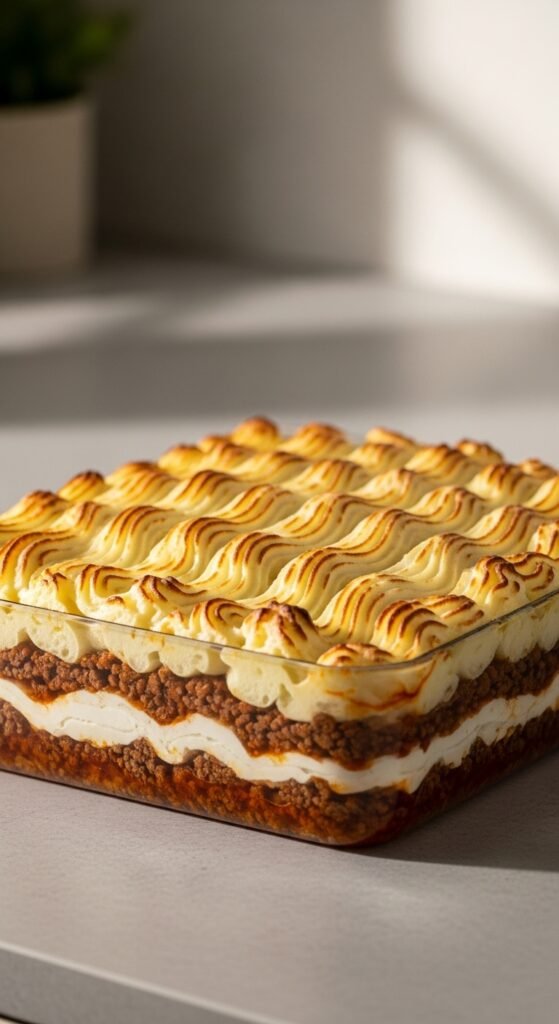
This version sticks closely to tradition. Ground lamb forms the base, cooked slowly with onions and carrots until tender. The filling stays simple, which keeps costs steady and prep easy. Use pantry spices and a basic broth to create a thick sauce that holds together when sliced. Mashed potatoes on top should be smooth but firm. Adding a small amount of butter helps texture without overdoing it.
For savings, buy lamb when it is on sale and freeze portions. You can also stretch the filling by adding extra vegetables like peas. This recipe works well for batch cooking. Bake once and portion leftovers for later meals. It reheats evenly and keeps its structure, which makes it practical for busy weeks.
Old-Fashioned British Pub-Style Pie
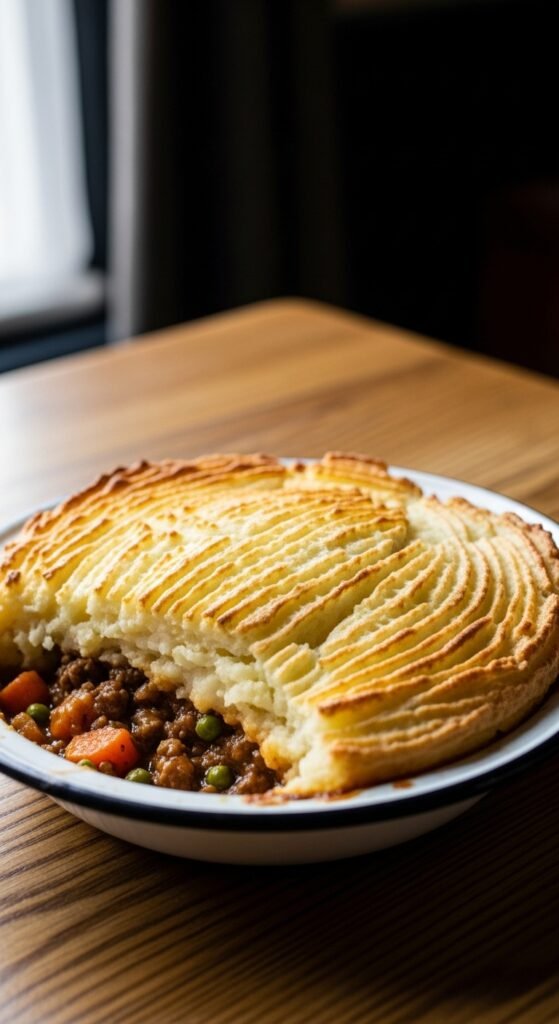
Pub-style shepherd’s pie focuses on texture. The filling is thicker and spoon-standing, not soupy. Use slow cooking to deepen flavor without special ingredients. Onions should be cooked until soft, not rushed. This builds a fuller taste using time instead of added cost.
Potatoes are mashed slightly chunky here. That rough surface browns nicely in the oven. This style suits casual family dinners and holds heat well once served. If cooking for several people, double the filling and use a larger dish rather than separate pans. That cuts down cleanup and energy use.
Simple Weeknight Shepherd’s Pie
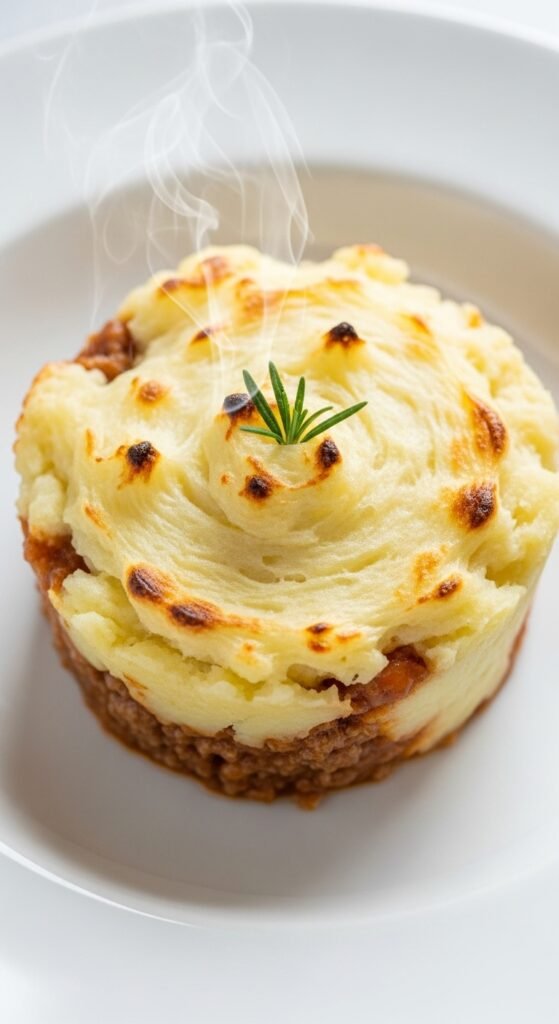
This recipe cuts steps while keeping the classic feel. Use pre-chopped vegetables and cook the filling in one pan. Mashed potatoes can be prepared ahead and stored in the fridge. That turns dinner into a quick assemble-and-bake task.
This version saves time and money. It avoids specialty items and relies on steady seasoning. Portion sizes are easy to control, which helps with food planning. Leftovers store well and reheat without drying out, making it a strong option for weekday meals.
Rustic Cast-Iron Shepherd’s Pie
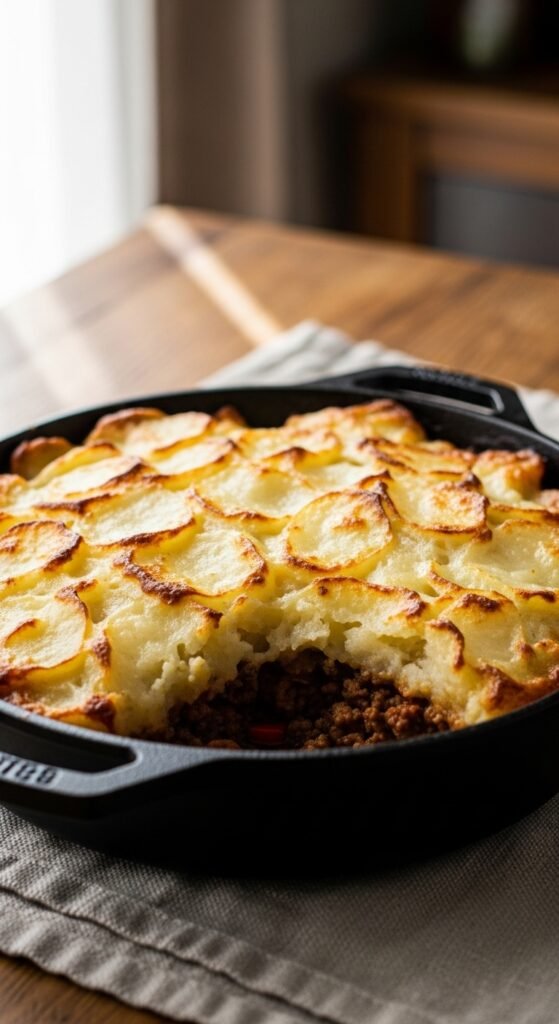
Cooking shepherd’s pie in cast iron creates even heat and a sturdy crust. Start on the stovetop to build the filling, then spread potatoes directly on top. One pan means fewer dishes.
Cast iron holds warmth longer, so servings stay hot at the table. This method works well for small households. If you do not own cast iron, a heavy oven-safe pan can work too. The goal is steady heat, not special gear.
Homestyle Shepherd’s Pie with Root Vegetables
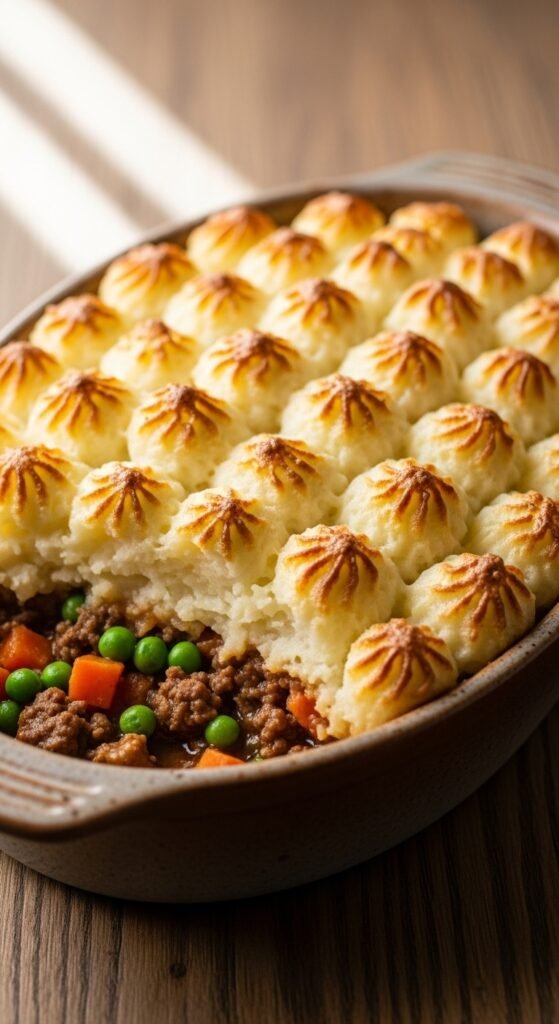
Adding root vegetables stretches the filling and lowers cost per serving. Carrots, peas, and onions blend naturally with lamb. Dice vegetables evenly so they cook at the same pace.
This approach makes the dish more filling without extra meat. It also helps clear out produce drawers before items go to waste. The result stays familiar while offering better balance and texture.
Family-Style Shepherd’s Pie for Sharing
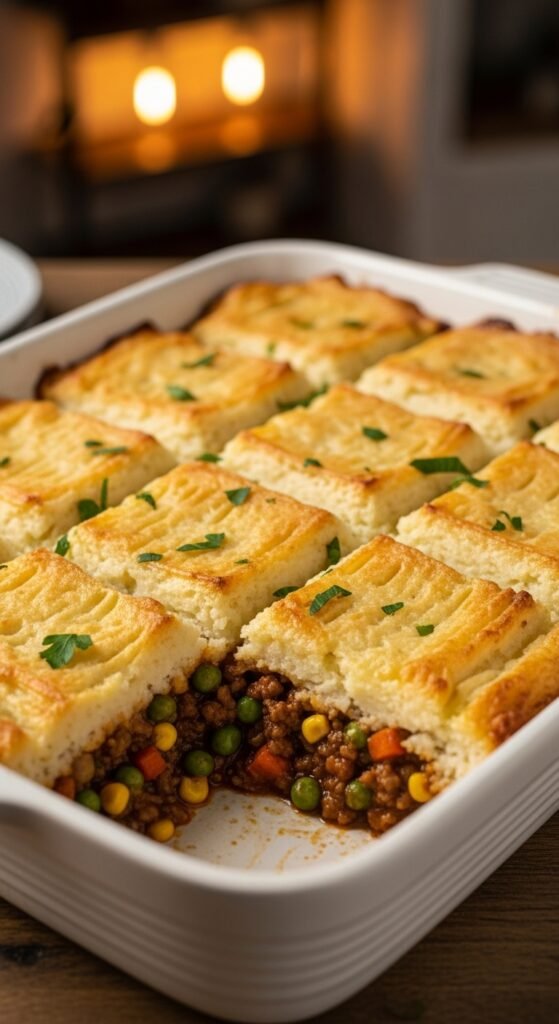
This version is built for gatherings. A large dish allows even layering and easy slicing. Keep seasoning mild so it suits different tastes.
To save money, prepare potatoes in bulk and mash once. Family-style pies simplify serving and reduce plating time. Leftovers can be wrapped and stored in portions for later use.
Crispy Potato-Top Shepherd’s Pie
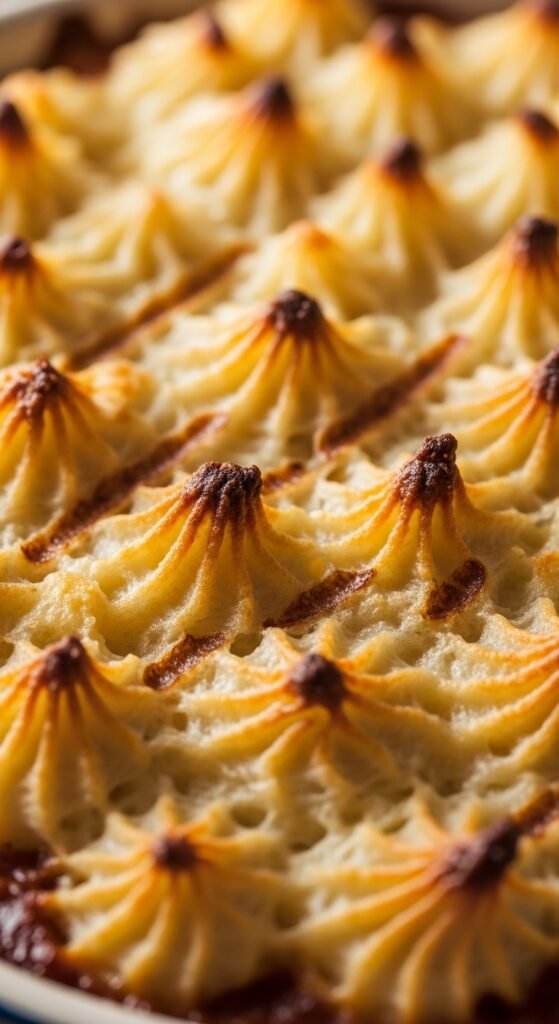
The focus here is texture. Use a fork to create ridges in the potatoes. Those raised areas brown quickly in the oven.
Avoid extra toppings. Simple technique delivers contrast without extra expense. This style works with any filling base and adds visual appeal using only basic tools.
Classic Cottage-Style Shepherd’s Pie
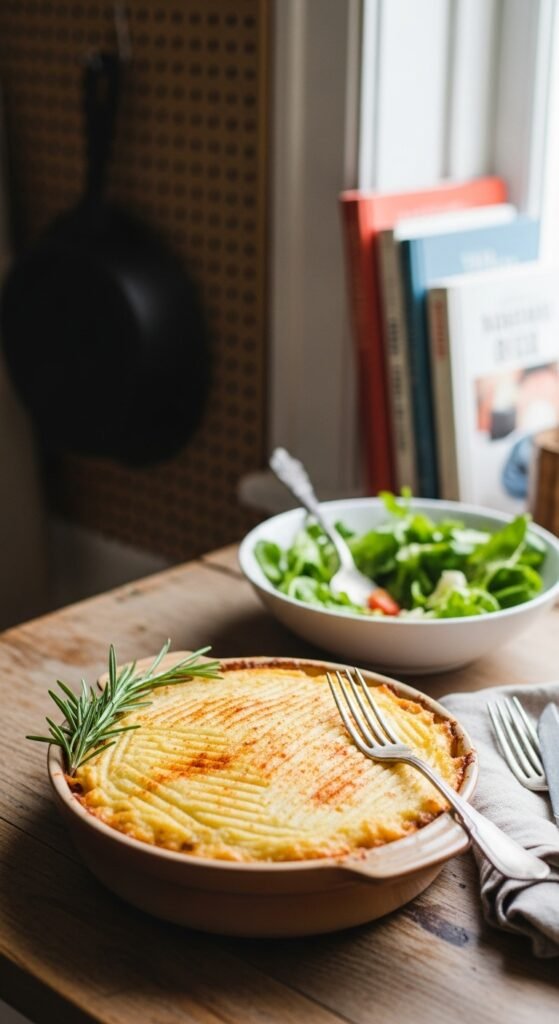
Cottage-style pies lean toward softer textures and gentle seasoning. The filling is moist and spoonable, ideal for relaxed meals.
This recipe uses standard pantry items and avoids complicated steps. It suits smaller kitchens and limited equipment. Everything is done at an easy pace, which helps new cooks gain confidence.
Sunday Dinner Shepherd’s Pie
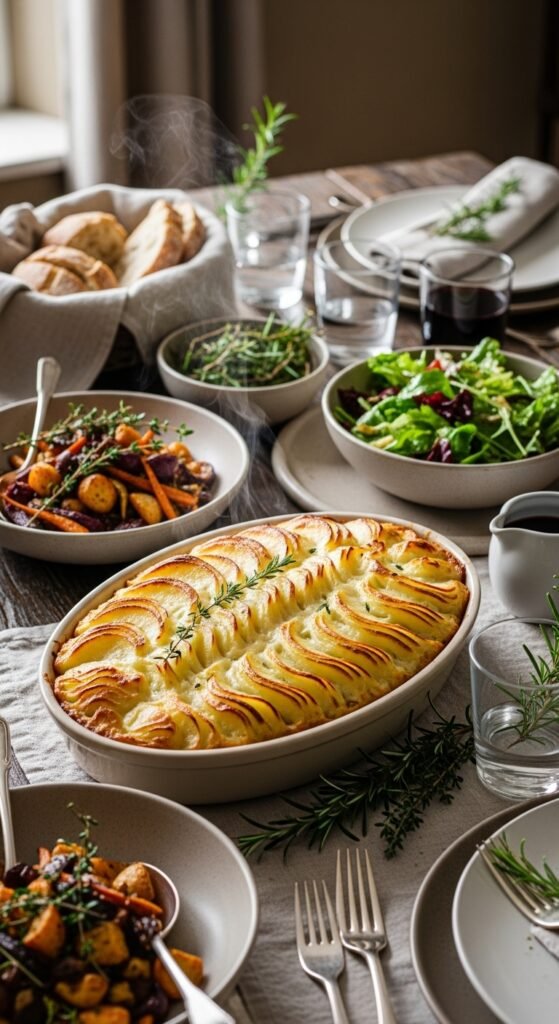
This version allows more cooking time. Let the filling simmer longer so flavors settle naturally. Potatoes can be whipped smoother for a cleaner top layer.
Slow cooking replaces extra ingredients. It is ideal when you have time and want a dependable meal that feeds many.
Make-Ahead Shepherd’s Pie
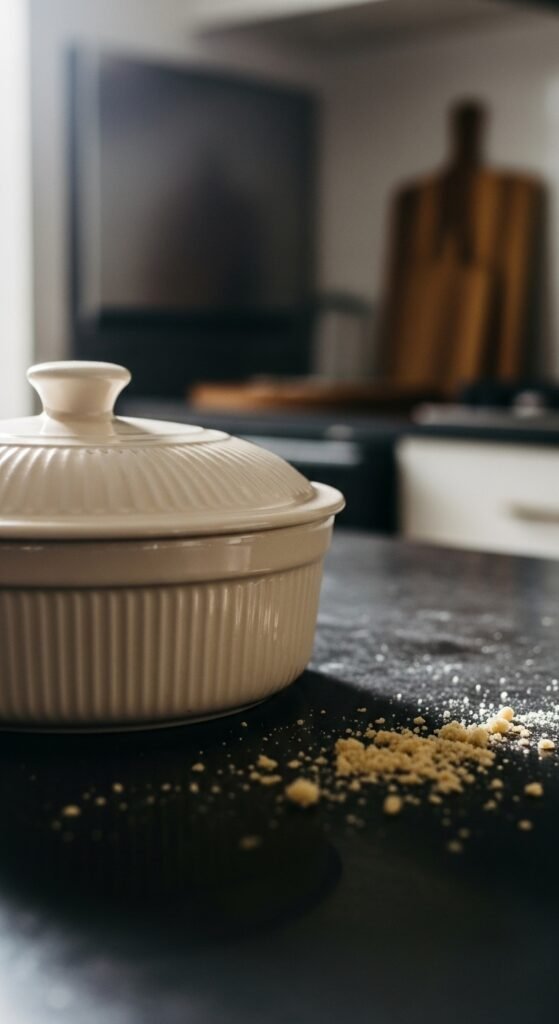
Make-ahead pies are practical. Assemble the dish fully, cover tightly, and refrigerate. Bake when ready.
This saves time on busy days. Advance prep reduces stress and helps with meal planning. Texture stays consistent when baked within two days.
Freezer-Friendly Shepherd’s Pie
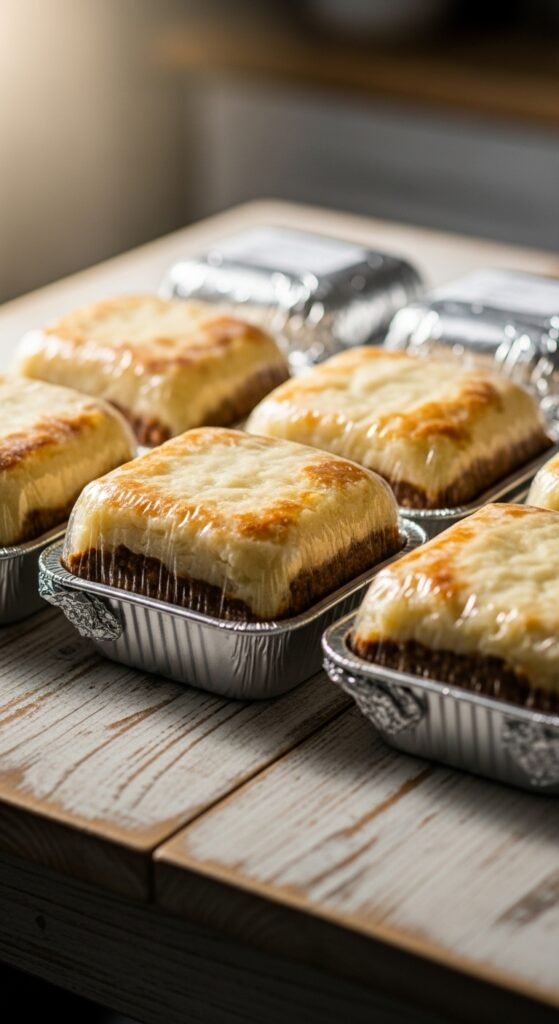
Freezer versions rely on tight wrapping and sturdy containers. Avoid overly thin gravy so it reheats evenly.
Label portions clearly. This method cuts long-term food costs and keeps meals ready when schedules change.
Skillet Shepherd’s Pie
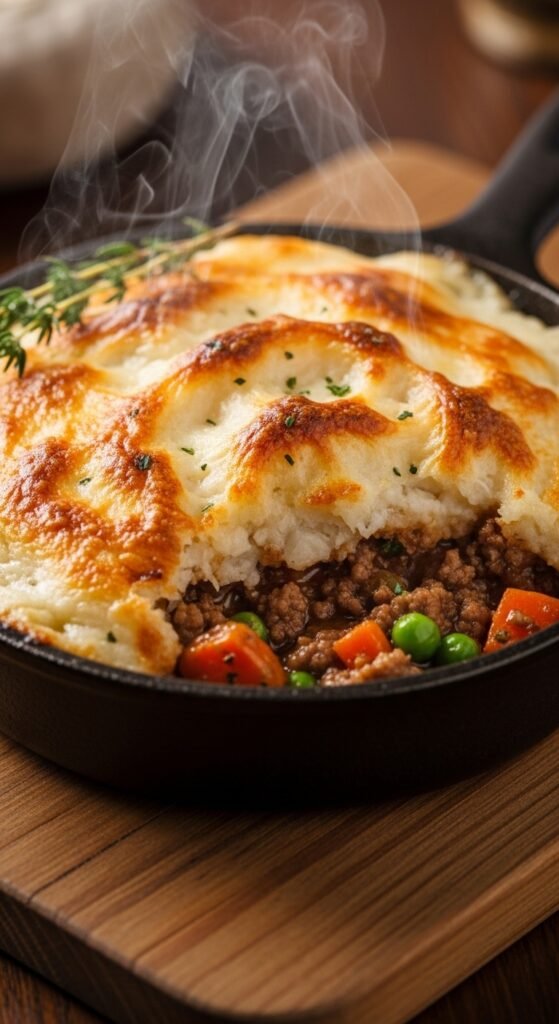
Skillet pies reduce bake time. Spread potatoes thinner so heat reaches the filling quickly.
This style suits small servings and fast dinners. Less baking time means lower energy use.
Budget Pantry Shepherd’s Pie
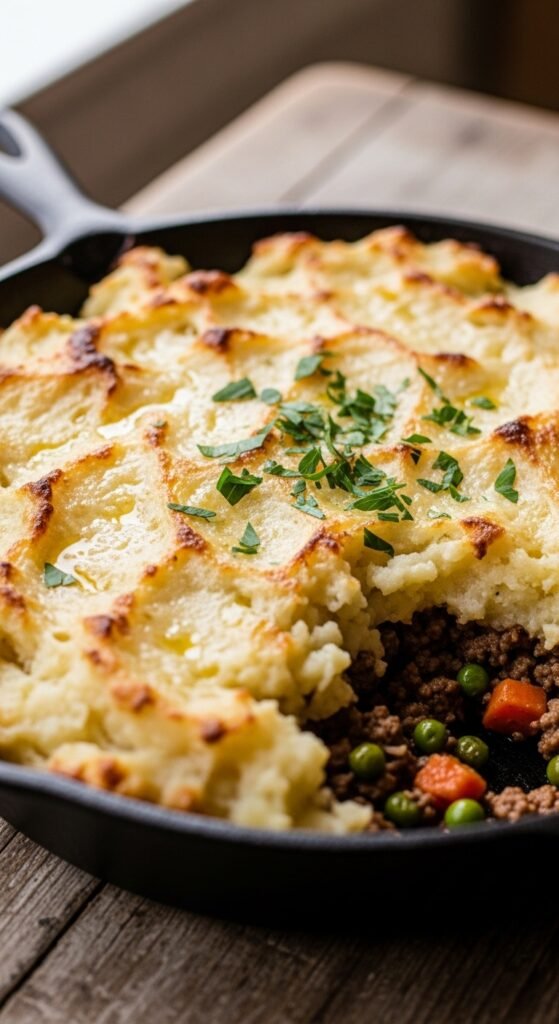
This recipe relies on pantry staples and affordable cuts. Season carefully and cook slowly.
Good timing replaces extra spending. It proves that classic dishes do not require costly ingredients.
Thick-Gravy Shepherd’s Pie
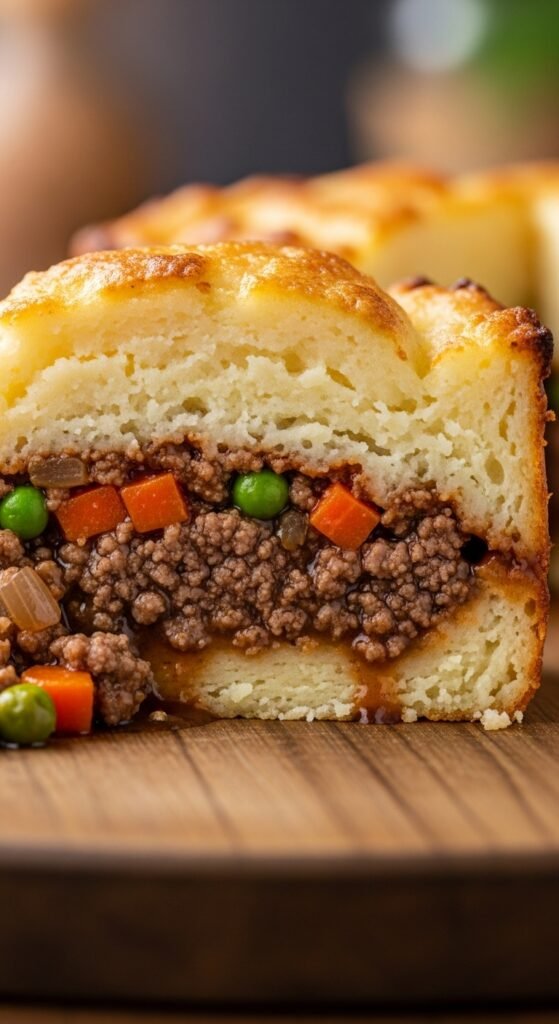
A thicker gravy helps slices hold shape. Use gentle heat and patience.
This works well for packed lunches. Structure matters when reheating.
Layered Shepherd’s Pie
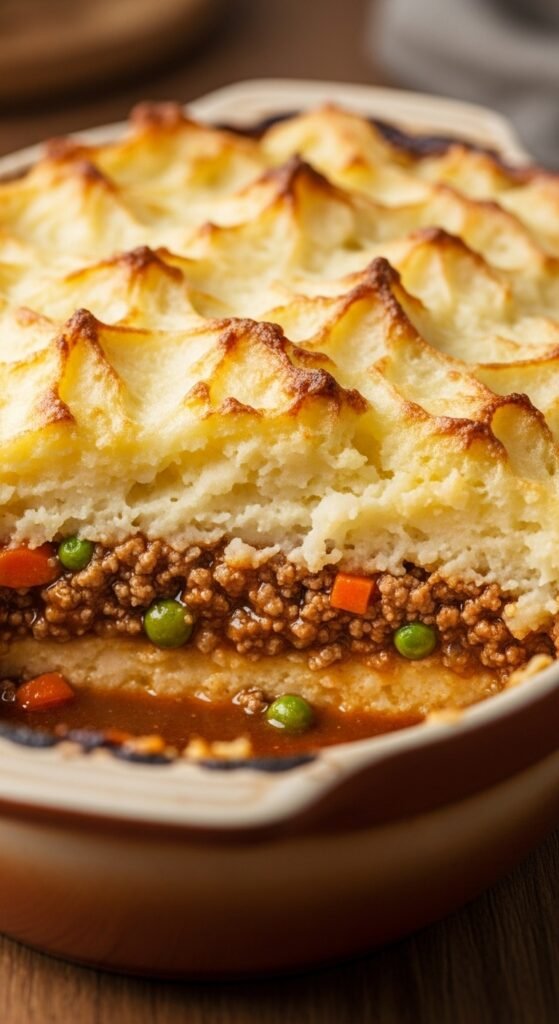
Clear layers help even cooking. Spread each layer flat before adding the next.
This keeps portions consistent and predictable.
Country Kitchen Shepherd’s Pie
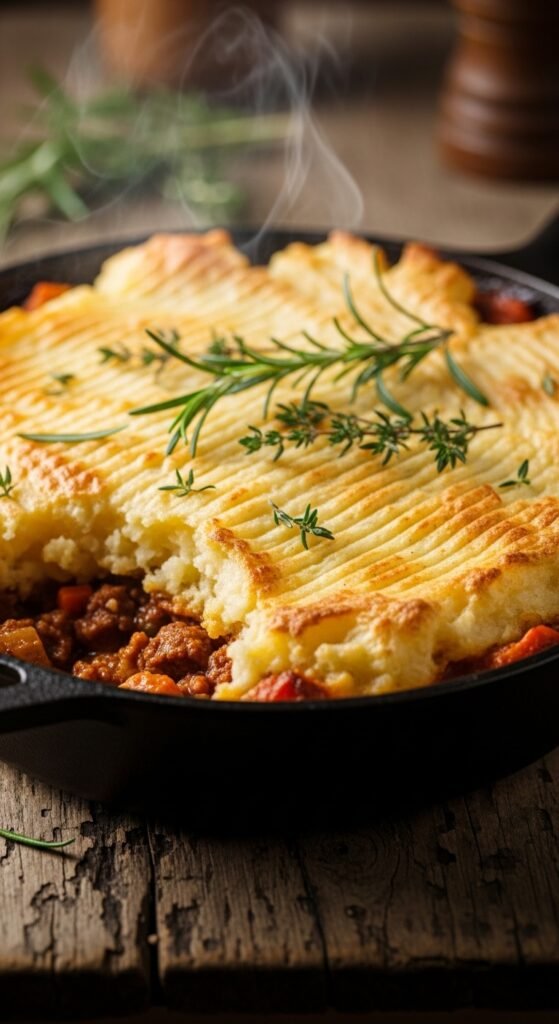
Country-style cooking favors simple steps. Cook filling slowly and mash potatoes by hand.
Fewer tools keep costs low.
Comfort-Style Shepherd’s Pie
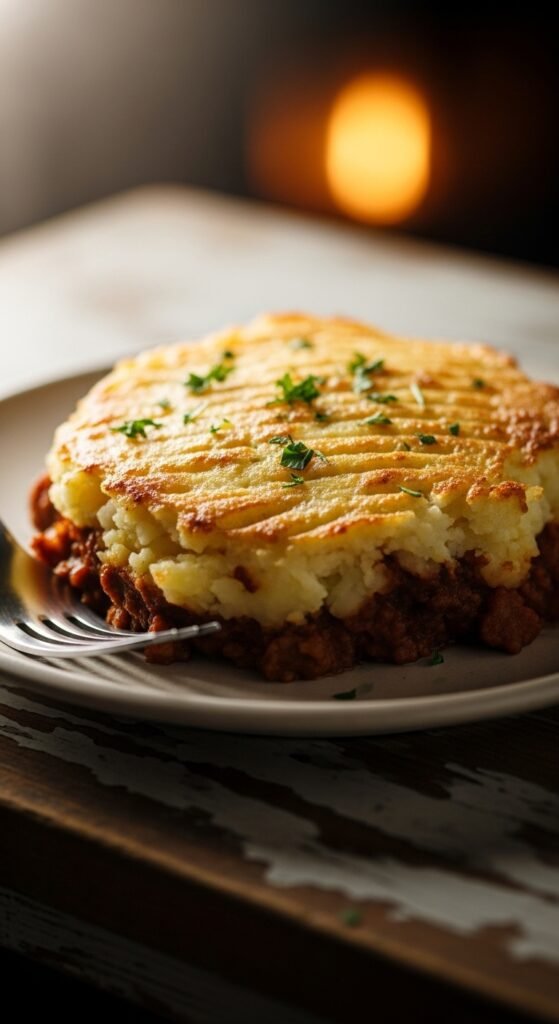
This version emphasizes warmth and familiar taste. Avoid sharp seasoning.
It works well for all ages and skill levels.
Simple Herb Shepherd’s Pie
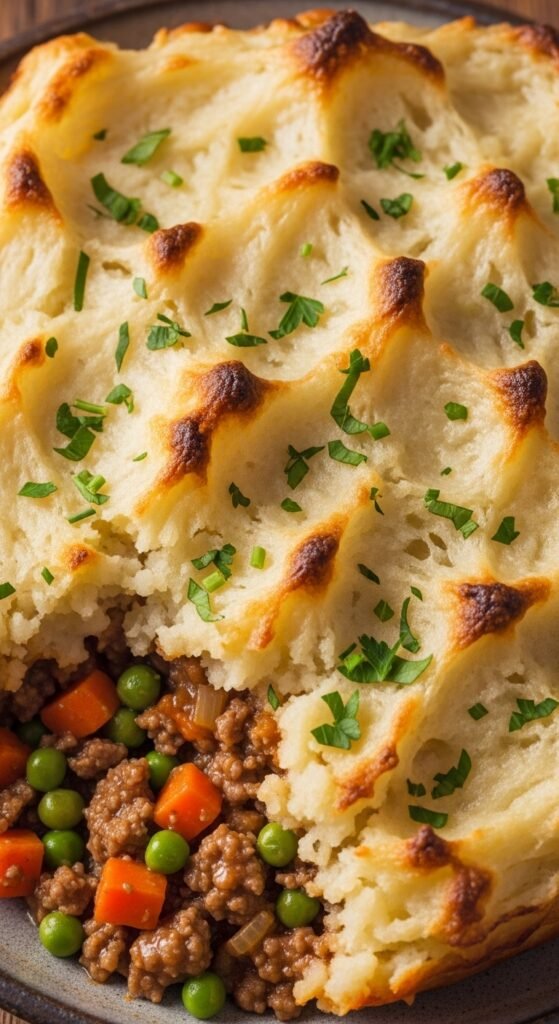
Use common dried herbs sparingly. They add aroma without expense.
Balance is key. Small amounts go far.
One-Dish Shepherd’s Pie
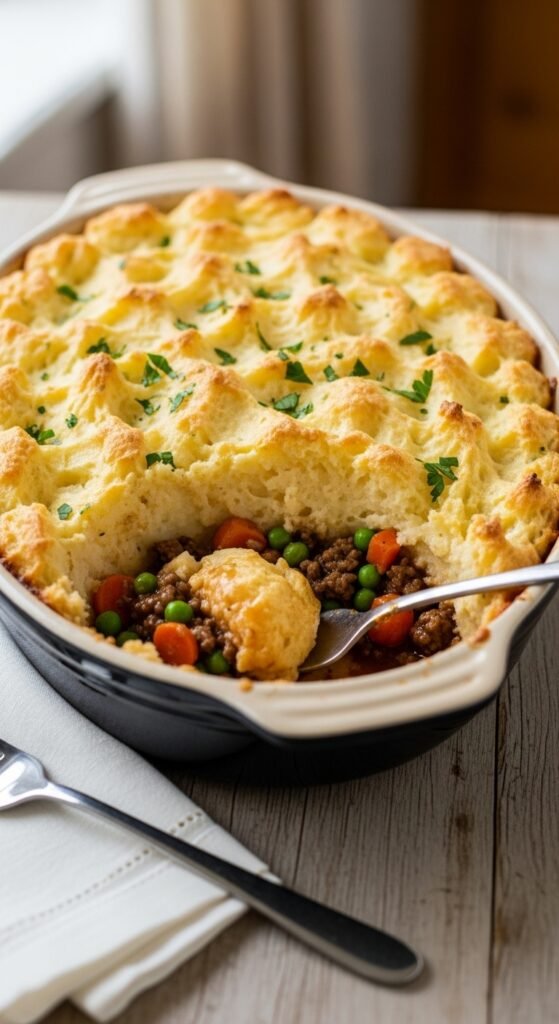
Everything happens in one vessel. That reduces cleanup and planning.
It suits busy households and limited kitchens.
Golden-Crust Shepherd’s Pie
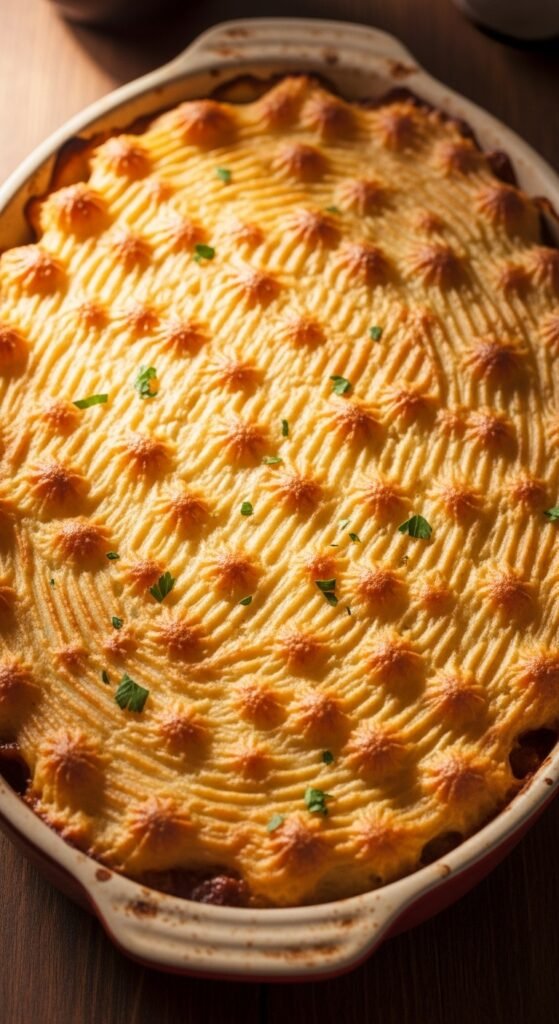
Finish under steady heat for an even crust. Watch closely near the end.
Color signals doneness without guesswork.
Conclusion
Classic shepherd’s pie remains popular because it works. It uses familiar ingredients, feeds groups well, and fits different budgets without losing its identity. These recipe ideas show how small changes in method or planning can make the dish easier, more affordable, and better suited to everyday cooking. Try one style at a time, adjust to your kitchen, and keep the versions that suit your routine.

Leave a Reply