

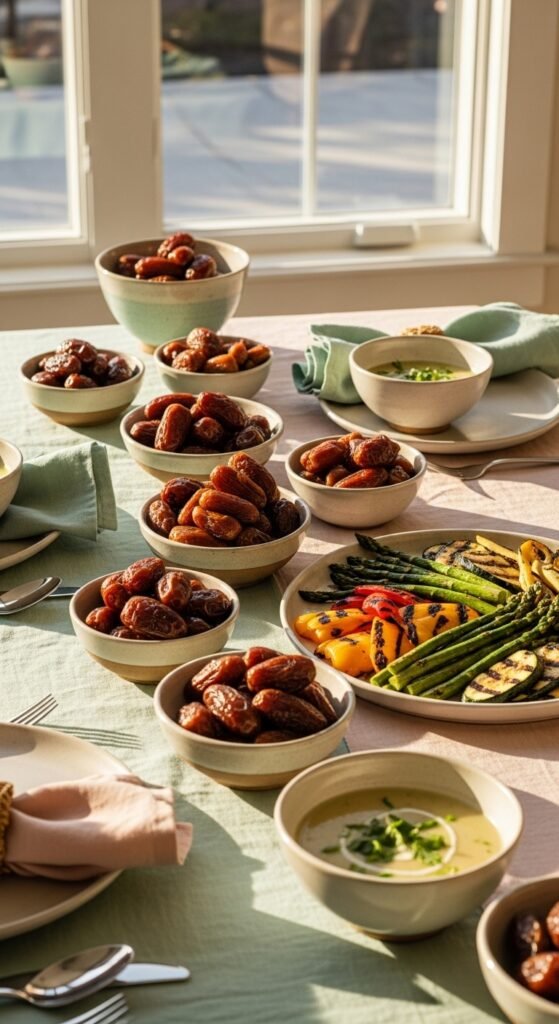
Ramadan during spring brings longer evenings, lighter cravings, and a desire for meals that feel comforting without feeling heavy. After a day of fasting, many people want dishes that support energy while still feeling satisfying and homemade. This list gathers simple, nourishing recipes perfect for iftar and suhoor, using seasonal ingredients, easy cooking methods, and budget-friendly ideas you can recreate in any kitchen.
Lemon Lentil Soup for Gentle Iftar Starts

A warm bowl of lemon lentil soup is one of the easiest ways to open iftar comfortably. It feels light yet filling, helping your stomach wake up slowly after fasting. Red lentils cook quickly, making this recipe ideal for busy evenings.
Start by sautéing onions and garlic in a little oil. Add lentils, turmeric, salt, and water. Let everything simmer until soft. Finish with lemon juice for brightness and balance. That final squeeze changes the entire flavor.
You can stretch this meal on a budget by serving it with toasted leftover roti or simple rice. Adding carrots or potatoes makes it more hearty without raising costs.
Tip: cook a large batch and freeze portions. It reheats beautifully and saves time during Ramadan.
If kids prefer smoother textures, blend the soup lightly. A drizzle of olive oil or yogurt adds comfort without heaviness. This dish works well because it hydrates while still satisfying hunger, making it a reliable first course throughout the month.
Chickpea and Cucumber Yogurt Chaat
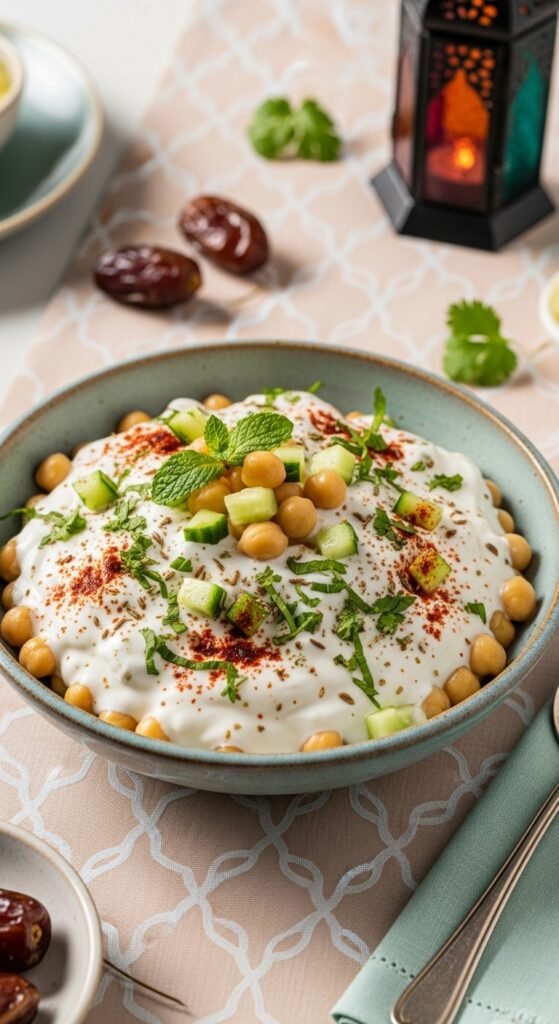
This cooling chaat is perfect for warmer spring evenings. Chickpeas give protein, while yogurt keeps the dish soothing after fasting. It takes less than ten minutes if you already have boiled chickpeas ready.
Mix chickpeas with chopped cucumbers, yogurt, roasted cumin, salt, and a pinch of chili powder. Add mint or coriander if available. The textures make every bite interesting without being heavy.
Using canned chickpeas saves time, but dried ones are cheaper. Cook a big batch once and store portions in the fridge for several days.
Budget trick: replace expensive toppings with crushed papri made from leftover chapati baked until crisp.
Serve this dish chilled alongside dates and fruit. It balances spicy foods often served at iftar and helps prevent overeating later. You can also turn leftovers into a wrap filling for suhoor. Just add lettuce and roll inside flatbread. Simple adjustments like this make one recipe useful across multiple meals during Ramadan.
Light Chicken and Vegetable Spring Stew
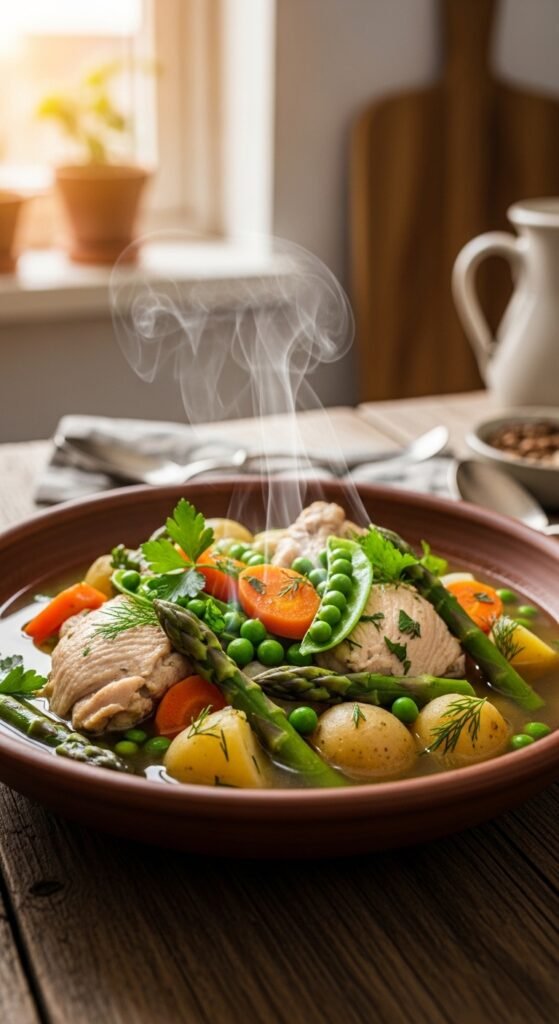
A gentle chicken stew works beautifully when fried foods feel too heavy. This recipe focuses on soft vegetables and mild spices that comfort without overwhelming.
Cook onions, garlic, and small chicken pieces with turmeric and black pepper. Add zucchini, carrots, and peas along with water or homemade stock. Let everything simmer slowly until tender.
The broth becomes naturally flavorful without needing rich sauces. Serve with small portions of rice or whole-wheat bread.
Money-saving idea: use bone-in chicken cuts. They cost less and add deeper flavor to the broth.
This stew also reheats well for suhoor. Add a squeeze of lemon before serving to brighten the taste. If you want extra thickness, mash a few vegetables directly into the pot.
Families often appreciate this dish during the middle days of Ramadan when heavier meals feel tiring. It provides comfort, warmth, and steady energy while still feeling easy on digestion.
Baked Spinach and Cheese Stuffed Paratha

Stuffed paratha doesn’t always need frying. Baking gives a lighter result while keeping the familiar taste everyone loves.
Mix chopped spinach with a small amount of grated cheese, salt, and pepper. Fill rolled dough circles and bake until golden. The outside becomes crisp while the inside stays soft.
Spinach cooks down quickly, so even a small bunch feeds several people. Frozen spinach works just as well and often costs less.
Helpful tip: brush with a tiny amount of oil instead of butter for a lighter finish.
Serve with yogurt dip or chutney for iftar. Leftovers pack perfectly for suhoor since they stay filling for hours.
Kids enjoy the cheesy filling, and adults appreciate that it feels less heavy than traditional fried versions. Making extra dough ahead of time also shortens cooking time during busy evenings.
Date and Almond Energy Bites

Dates are already a Ramadan favorite, but turning them into energy bites adds variety without extra effort. These require no baking and come together quickly.
Blend soft dates with roasted almonds and a little cocoa or sesame seeds. Roll into small balls and chill. The natural sweetness removes the need for added sugar.
Buying dates in bulk lowers cost, especially during Ramadan sales. You can swap almonds with peanuts for a cheaper version that still tastes great.
Make-ahead advantage: store in the fridge for up to a week.
These bites work perfectly between prayers when you want something small but satisfying. They also help avoid overeating fried desserts later.
Add oats if you want extra texture. Children enjoy shaping them, turning preparation into a family activity. Simple snacks like this keep energy steady while honoring traditional Ramadan flavors.
Grilled Lemon Herb Fish
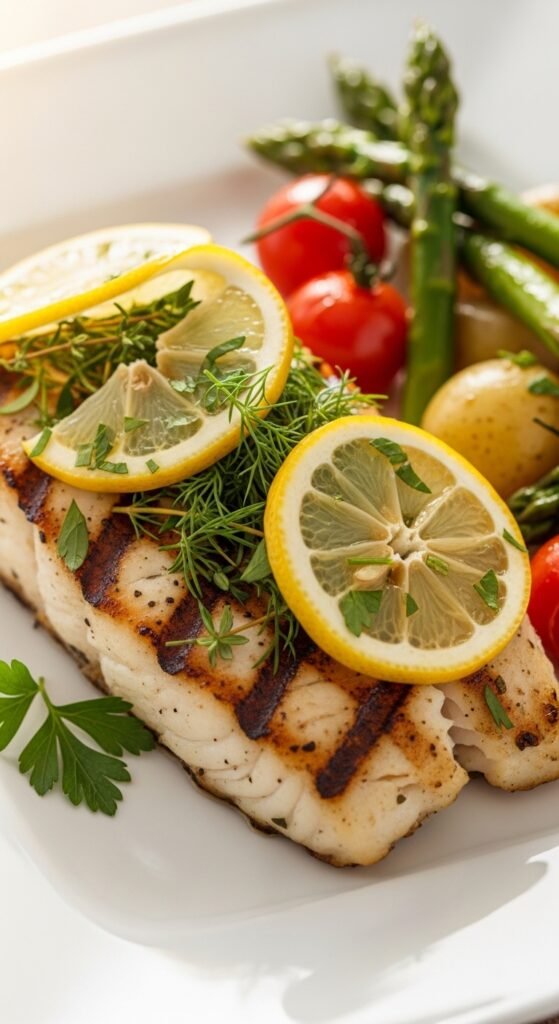
Fish cooks fast and feels lighter than many meat dishes, making it ideal for spring evenings. A simple lemon and herb marinade brings flavor without heavy sauces.
Rub fish with garlic, salt, pepper, lemon juice, and chopped herbs. Grill or pan-cook with minimal oil. The result is tender and aromatic.
Frozen fish fillets are often cheaper and work perfectly for this recipe. Pair with sautéed vegetables or a simple salad.
Cooking shortcut: line the pan with foil for quick cleanup.
This meal satisfies hunger while still allowing space for fruit or dessert later. It also works well for suhoor when served inside flatbread with yogurt sauce.
Cooking fish once or twice weekly during Ramadan adds variety and keeps meals feeling balanced throughout the month.
Roasted Sweet Potato and Chickpea Bowl
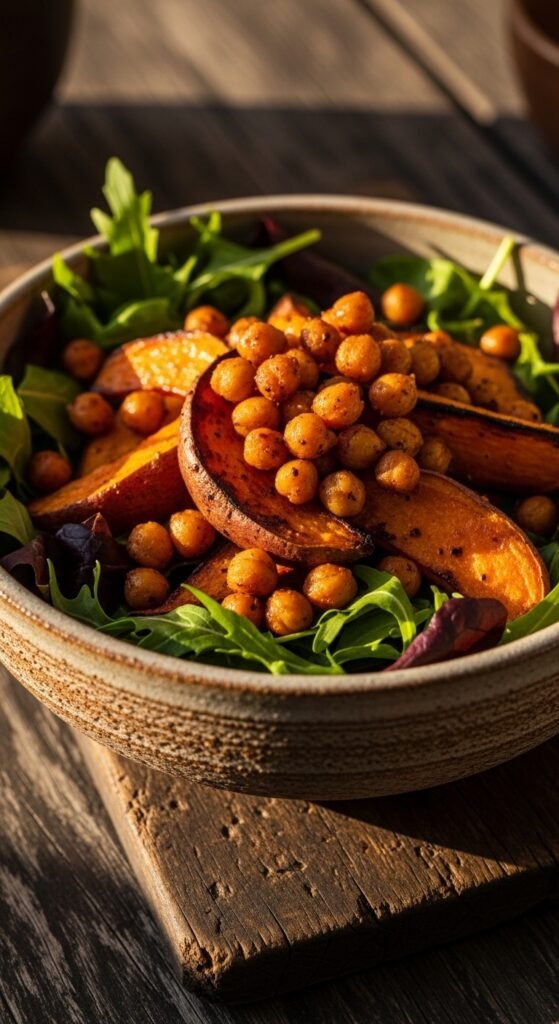
Roasting vegetables brings natural sweetness without complicated seasoning. Sweet potatoes and chickpeas create a filling bowl that feels comforting yet light.
Cube sweet potatoes, toss with oil and spices, and roast alongside chickpeas until slightly crisp. Serve over greens or rice with yogurt drizzle.
This recipe is budget-friendly because both ingredients store well and stay affordable year-round.
Tip: roast extra vegetables to use in wraps the next day.
The mix of textures keeps meals interesting. Soft potatoes, crisp chickpeas, and creamy sauce make each bite satisfying. You can adjust spices depending on family preference.
It’s a great vegetarian option for nights when you want a break from meat but still want something filling after fasting.
Cooling Mint and Melon Fruit Bowl

Fruit bowls often appear at iftar, but small upgrades make them more enjoyable. Adding mint and lime gives melon a bright taste that feels hydrating.
Cut melon into cubes and chill well. Toss gently with chopped mint and a squeeze of lime. That’s all you need.
Buying seasonal fruit lowers cost while improving flavor. You can mix apples or bananas if melon prices rise.
Serving idea: portion into small cups so everyone gets a balanced serving.
This dish helps prevent heaviness after fried snacks. Many people notice they feel more comfortable during evening prayers when fruit is included early in the meal.
Leftovers can become smoothies for suhoor. Simple fruit dishes often become family favorites because they are quick, colorful, and naturally satisfying.
Tomato and Basil Lentil Pasta
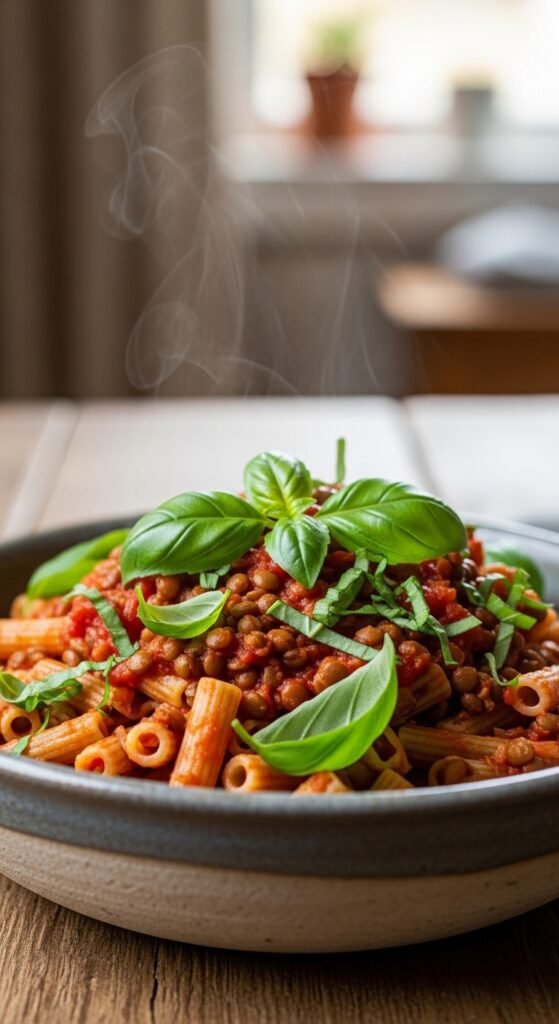
Pasta can still feel balanced when paired with lentils and simple sauce. Lentils add protein, making smaller portions more filling.
Cook lentils separately while preparing a tomato sauce with garlic and onions. Combine with whole-grain pasta and sprinkle basil.
Using pantry ingredients keeps this recipe affordable. Canned tomatoes work perfectly and reduce prep time.
Smart tip: cook extra sauce and freeze for another night.
Serve alongside salad or yogurt dip. The flavors feel comforting without heaviness, which many families appreciate mid-Ramadan.
Children often enjoy pasta nights, making this a reliable crowd-pleaser that still supports steady energy levels.
Oven-Baked Vegetable Samosas

Samosas don’t have to be deep fried. Baking reduces oil while keeping the crisp texture everyone enjoys.
Fill pastry with potatoes, peas, and spices. Brush lightly with oil and bake until golden.
Making samosas at home costs far less than buying ready-made versions. Freeze uncooked batches for busy days.
Helpful trick: use spring roll wrappers for faster shaping.
Serve with chutney and yogurt. Many people find baked versions easier to enjoy without feeling overly full afterward.
Preparing them together as a family adds fun to Ramadan evenings and reduces cooking stress later in the week.
Simple Chicken Lettuce Wraps
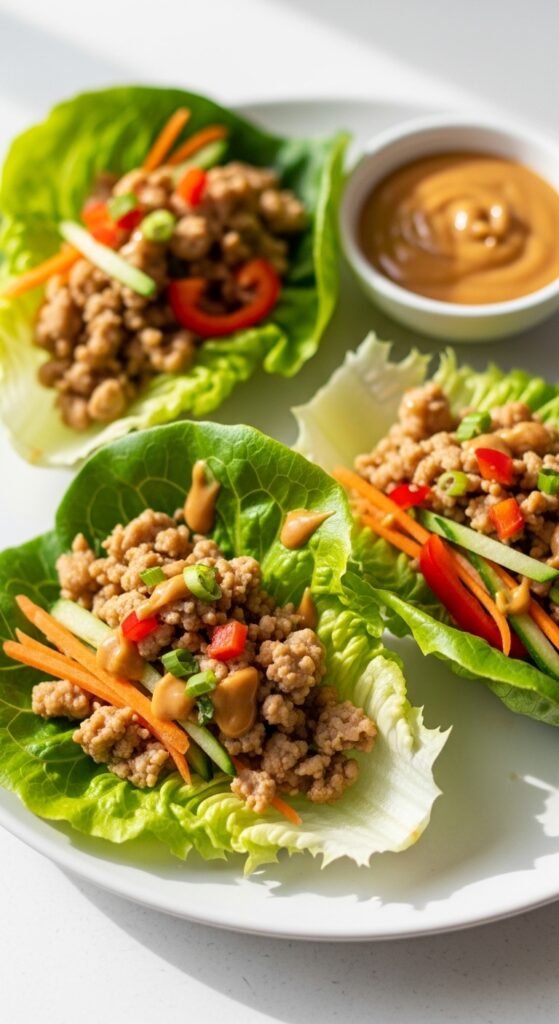
Chicken lettuce wraps offer crunch and flavor without heavy bread. Cook minced chicken with garlic, soy sauce, and vegetables.
Spoon into lettuce leaves and serve immediately. The contrast between warm filling and cool lettuce feels satisfying.
This recipe stretches small amounts of meat across many servings, helping save money.
Add-on idea: include leftover rice for extra fullness.
These wraps work beautifully for lighter iftar menus or late-night snacks after prayers. They also feel fun and interactive, which kids enjoy assembling themselves.
Creamy Oat and Banana Suhoor Bowl
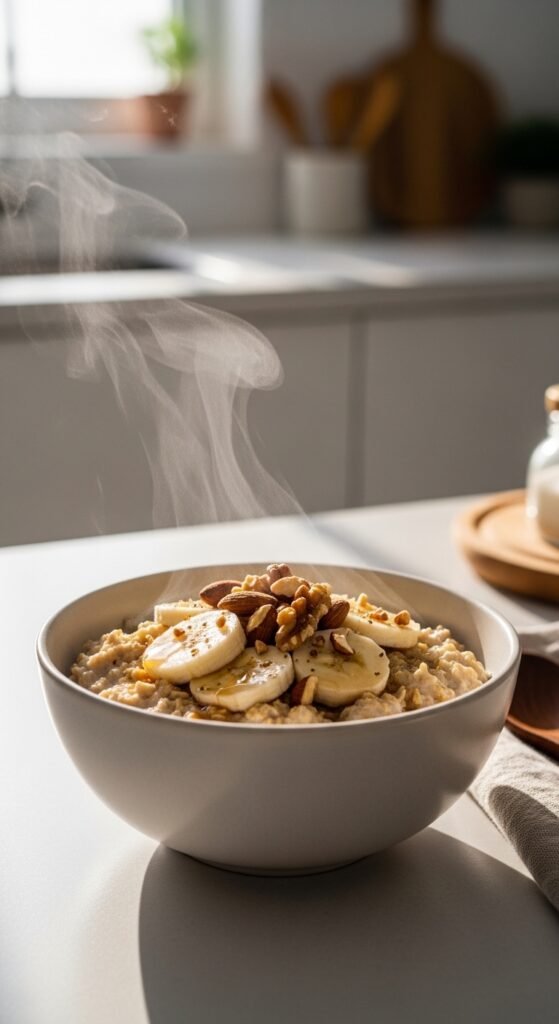
Oats remain one of the easiest suhoor meals. Cook oats with milk or water, then top with banana slices and nuts.
Bananas add natural sweetness, removing the need for added sugar. Nuts keep you feeling full longer.
Buying oats in bulk makes this one of the cheapest Ramadan meals.
Shortcut: prepare overnight oats to save morning cooking time.
You can change toppings daily to avoid boredom. Dates, peanut butter, or apples all work well.
This bowl provides comfort and steady energy without heaviness, making early mornings easier during fasting days.
Spiced Quinoa and Vegetable Pilaf
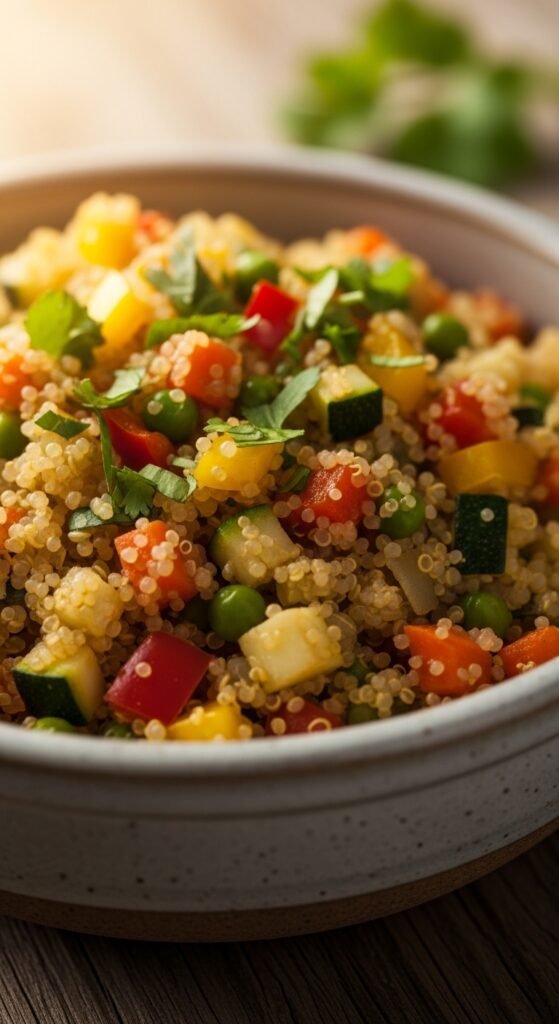
Quinoa is light yet filling, perfect for a balanced iftar. Cook it with mild spices like cumin and coriander.
Add seasonal vegetables like carrots, peas, and zucchini. Toss lightly with olive oil for flavor.
Budget tip: bulk quinoa or rice can substitute to reduce costs.
Serve alongside a small portion of protein like beans or chicken. Leftovers make an excellent suhoor option.
This pilaf keeps meals light while offering fiber and essential nutrients. Its vibrant colors also appeal visually, encouraging kids to eat more vegetables.
Roasted Cauliflower with Garlic and Lemon

Cauliflower roasts beautifully with simple flavors. Toss florets in olive oil, minced garlic, salt, and pepper. Roast until lightly golden.
Finish with a squeeze of lemon juice for brightness. The aroma is inviting and feels satisfying without heaviness.
Cheap tip: cauliflower is often on sale in spring. Use leftover roasted pieces in salads or wraps.
This dish works well as a side for meat, fish, or lentils, making it versatile during Ramadan.
It also reheats nicely, so you can prep extra ahead of time for suhoor or iftar.
Spinach and Feta Egg Muffins

Mini egg muffins are convenient for quick iftar or suhoor. Whisk eggs with spinach, feta, and a pinch of pepper.
Pour into muffin tins and bake until firm. These small portions are easy to grab and nutritious.
Budget-friendly hack: use frozen spinach and local cheese.
You can prepare a dozen at once and refrigerate or freeze extras. They reheat quickly in the morning.
These muffins are high in protein and low in carbs, helping to feel full without heaviness. Perfect for those who prefer smaller, frequent meals.
Carrot and Ginger Soup

Carrot and ginger soup is light, warming, and easy to digest. Cook carrots and onions in a little oil, add water, and simmer until soft.
Blend with fresh ginger for flavor. A splash of lemon adds brightness.
Cheap tip: carrots are usually inexpensive and last long in the fridge.
Serve with whole-grain bread for a balanced meal. This soup hydrates while providing gentle nutrients after a day of fasting.
It reheats well, making it practical for busy evenings.
Lentil and Spinach Salad
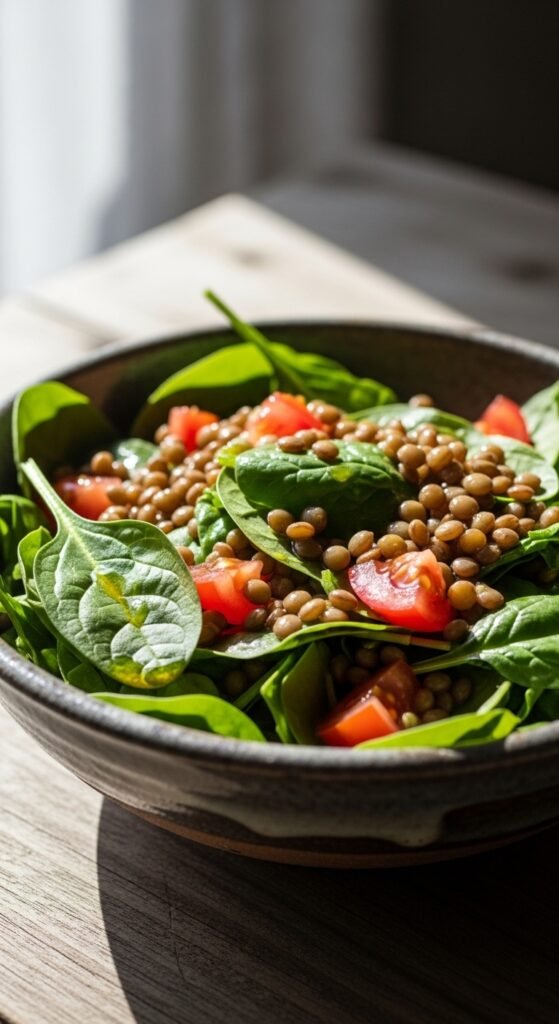
A salad of lentils and spinach is refreshing and filling. Toss cooked lentils with fresh spinach, tomatoes, and a simple olive oil-lemon dressing.
Add chopped onions or cucumber for crunch.
Budget tip: cook lentils in bulk and store in fridge for several days.
Serve chilled for a light iftar or room temperature for suhoor. It provides fiber and protein, keeping energy steady.
This salad can be a base for wraps or a side for grilled chicken or fish.
Baked Falafel with Yogurt Dip
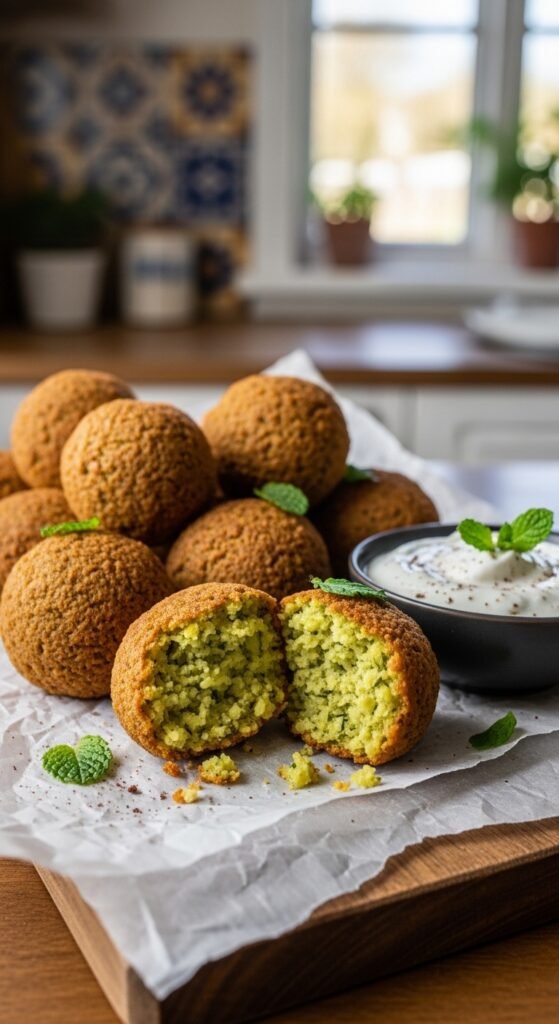
Baked falafel is lighter than deep-fried versions and still full of flavor. Blend chickpeas, garlic, parsley, and spices. Shape into balls and bake until crisp.
Serve with yogurt dip for moisture and taste.
Budget tip: canned chickpeas save time without added cost.
These are excellent for iftar because they are protein-rich and satisfying without heaviness.
Leftovers can be added to sandwiches or wraps for suhoor, making preparation easier.
Zucchini Fritters

Zucchini fritters are light and easy to make. Grate zucchini, squeeze out excess water, mix with egg, flour, and spices. Pan-fry with minimal oil.
Budget tip: zucchini is often cheap in spring.
Serve with yogurt or a light sauce. They reheat well and can double as a suhoor option.
Fritters are kid-friendly and work well as a side or main for a light meal after fasting.
Apricot and Almond Couscous
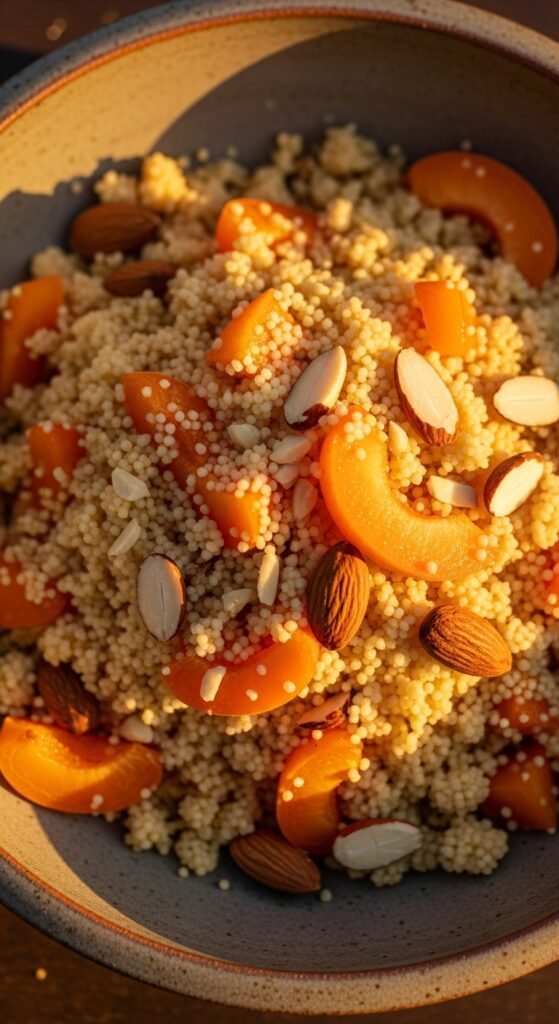
Couscous cooks quickly and pairs well with dried fruits and nuts. Add chopped apricots, almonds, and a splash of olive oil or honey.
Budget tip: buy dried fruits in bulk or local markets.
This dish is light yet filling and works for iftar or suhoor. Couscous absorbs flavors well, so it can be flavored with spices like cinnamon or cumin for variety.
It also keeps well for easy meal prep during Ramadan.
Stuffed Bell Peppers with Rice and Veggies
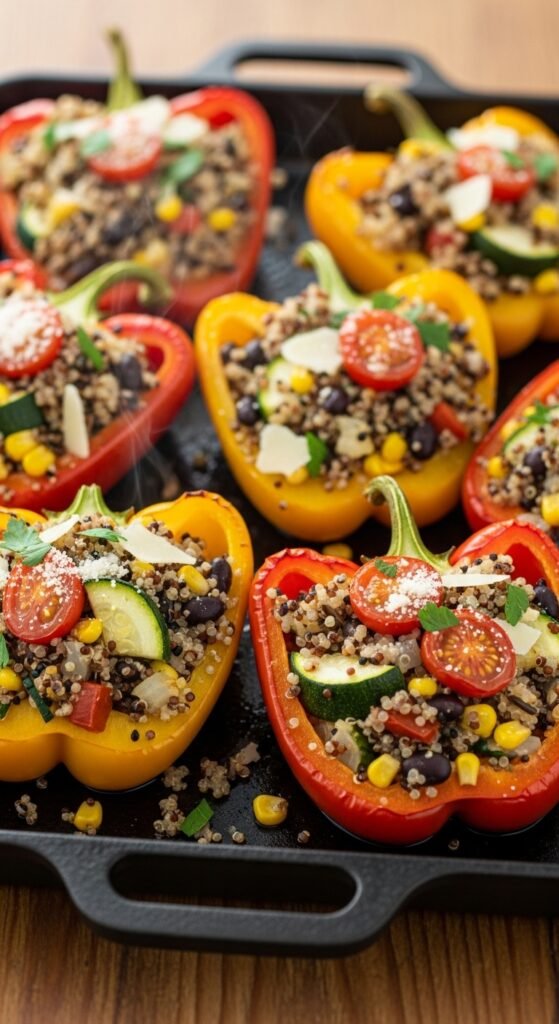
Bell peppers stuffed with rice and vegetables are visually appealing and satisfying. Cook rice and mix with sautéed onions, carrots, peas, and spices.
Stuff into halved bell peppers and bake until tender.
Budget tip: use leftover rice from previous meals.
Serve with yogurt or light sauce. This dish works as a filling main without heaviness and can feed multiple people.
Kids often enjoy the colorful presentation.
Sweet Potato and Spinach Quesadillas

Quesadillas can feel light when filled with roasted sweet potato and spinach. Mash roasted sweet potato and layer with spinach inside tortillas.
Cook on a non-stick pan until golden. Serve with yogurt or salsa.
Budget tip: use leftover sweet potatoes from earlier meals.
They reheat well and are easy to make in batches for iftar or suhoor.
This option adds variety to the weekly Ramadan menu while keeping meals balanced.
Green Bean and Potato Stir-Fry
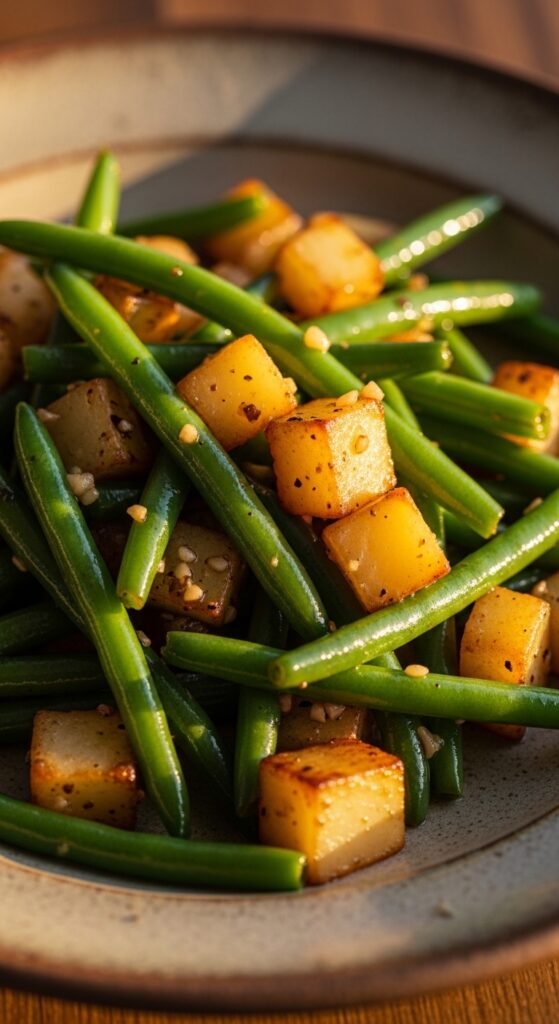
Simple stir-fries keep meals light. Sauté green beans, potatoes, onions, and garlic with minimal oil and season with salt and pepper.
Budget tip: buy vegetables in season for lower cost.
Serve as a side with rice or protein. Stir-fries cook quickly, making them practical for busy iftar evenings.
This dish is colorful, filling, and easy to digest.
Yogurt and Berry Parfait

Parfaits are simple, light, and refreshing. Layer yogurt, granola, and berries for a sweet, nutrient-rich treat.
Budget tip: use frozen berries if fresh ones are costly.
Serve chilled for iftar or as a suhoor addition. Granola adds crunch and keeps you full without heavy sugar.
This dessert feels indulgent without being overwhelming.
Mushroom and Spinach Stir-Fry
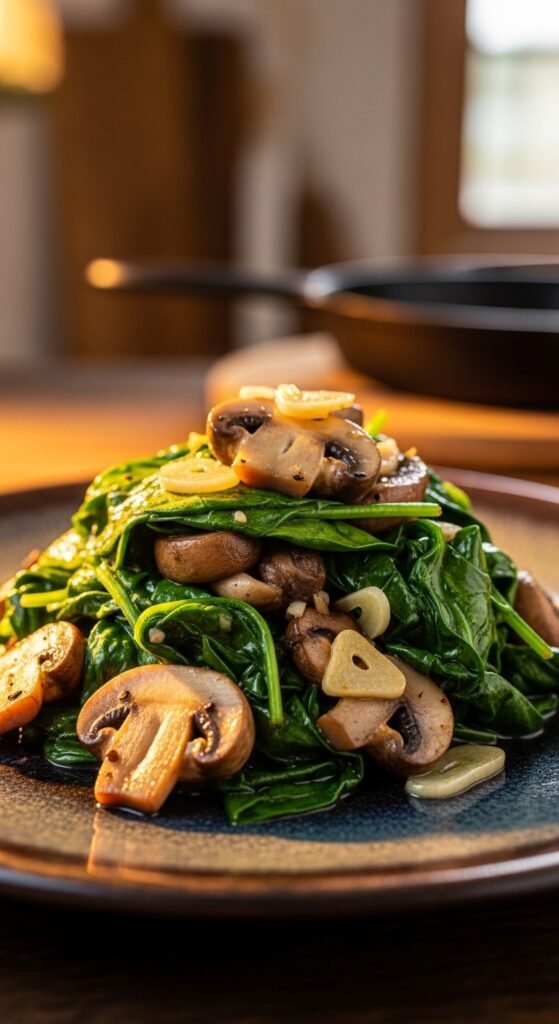
Mushrooms cook quickly and pair well with spinach. Stir-fry with garlic, soy sauce, and a touch of olive oil.
Budget tip: button mushrooms are inexpensive and widely available.
Serve as a side or top a bed of rice. Light yet flavorful, it works for those avoiding heavy dishes after fasting.
Leftovers reheat well for suhoor or lunch the next day.
Roasted Carrot and Beet Salad
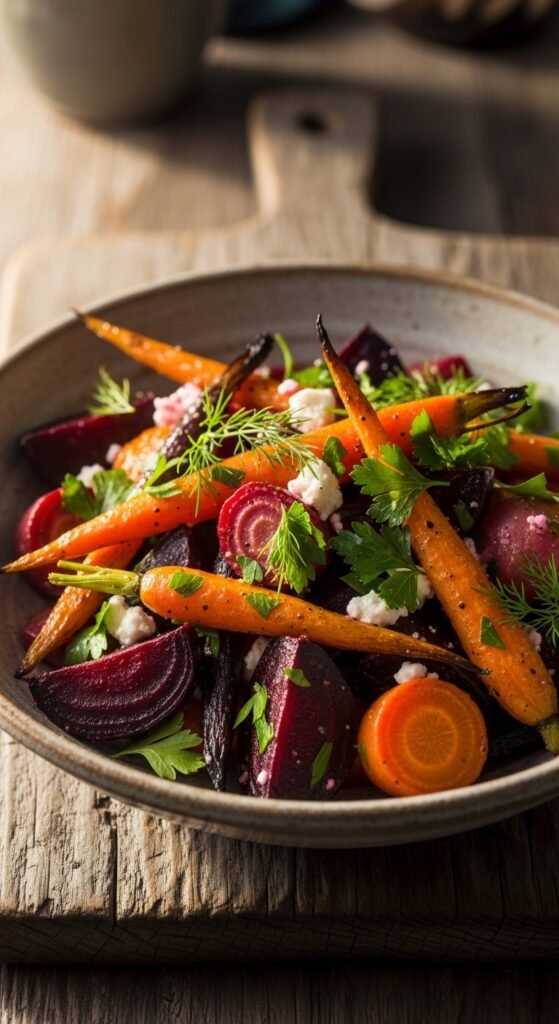
Roasted carrots and beets make a naturally sweet, colorful salad. Roast diced vegetables with a little oil and sprinkle fresh herbs on top.
Budget tip: buy root vegetables in bulk—they store well.
Serve warm or room temperature with a light dressing. Perfect as a side dish for iftar.
It adds fiber and nutrients without heaviness, keeping meals balanced.
Quinoa Tabbouleh with Parsley
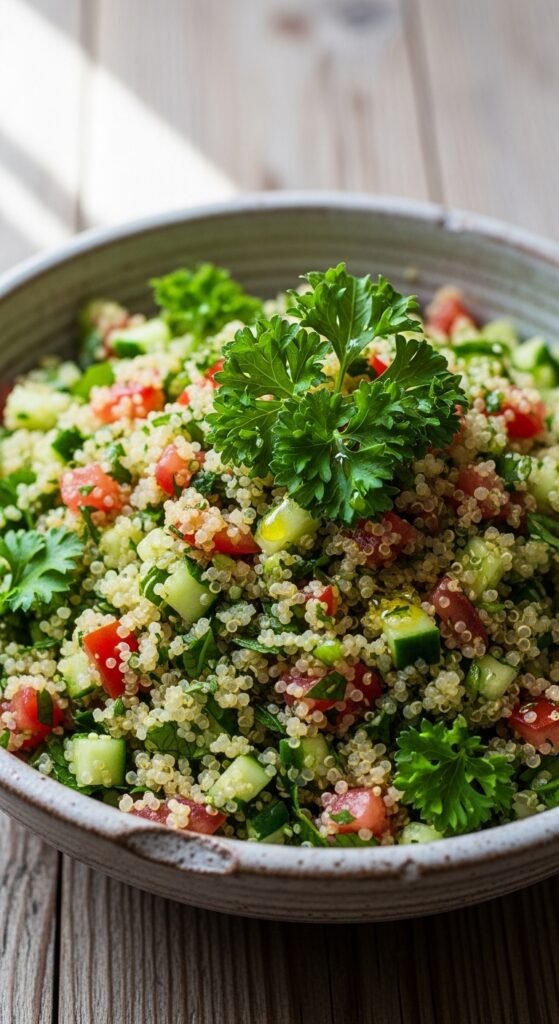
Swap bulgur with quinoa for a light and filling tabbouleh. Mix cooked quinoa with parsley, tomatoes, cucumber, olive oil, and lemon juice.
Budget tip: bulk quinoa lasts long and reduces cost per meal.
Serve chilled for a refreshing side. Works well with chicken, fish, or lentil dishes.
Its freshness and bright flavor make it satisfying without heaviness.
Roasted Eggplant with Tahini Drizzle
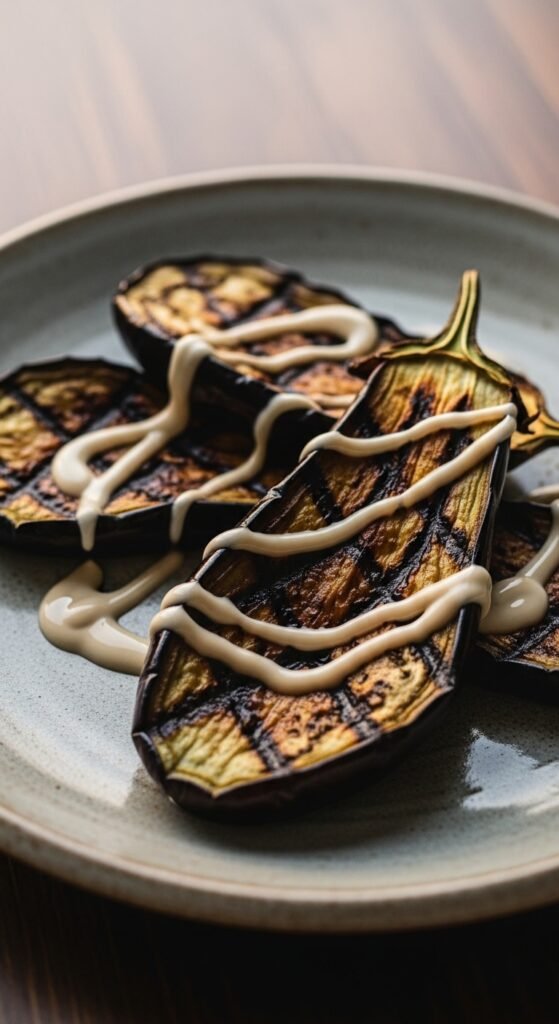
Roasting eggplant brings out natural sweetness. Slice, brush lightly with oil, roast, and drizzle with tahini.
Budget tip: eggplants are affordable in season.
Serve as a side or part of a mezze plate. The dish is flavorful and filling yet light enough after fasting.
It also works as a make-ahead option for quick iftar.
Herb and Lemon Grilled Chicken Skewers

Skewered chicken cooks quickly and stays light. Marinate with lemon, garlic, and fresh herbs, then grill or bake.
Budget tip: use chicken thighs—they are cheaper and flavorful.
Serve with a small salad or flatbread. The portion control and high protein content make this dish balanced for iftar.
Leftovers can be reheated for suhoor or turned into wraps with vegetables.
Conclusion
These 25 Ramadan recipes show that meals can be nourishing, light, and full of flavor. From soups and salads to baked snacks and simple mains, each dish supports comfort and energy while keeping preparation practical and budget-friendly. Try a few recipes each week, share them with family, and enjoy creating meals that make your Ramadan table colorful, balanced, and satisfying.

Leave a Reply